

By Henry Maxwell
Senior World Affairs Analyst, Wide World News
March 02, 2026
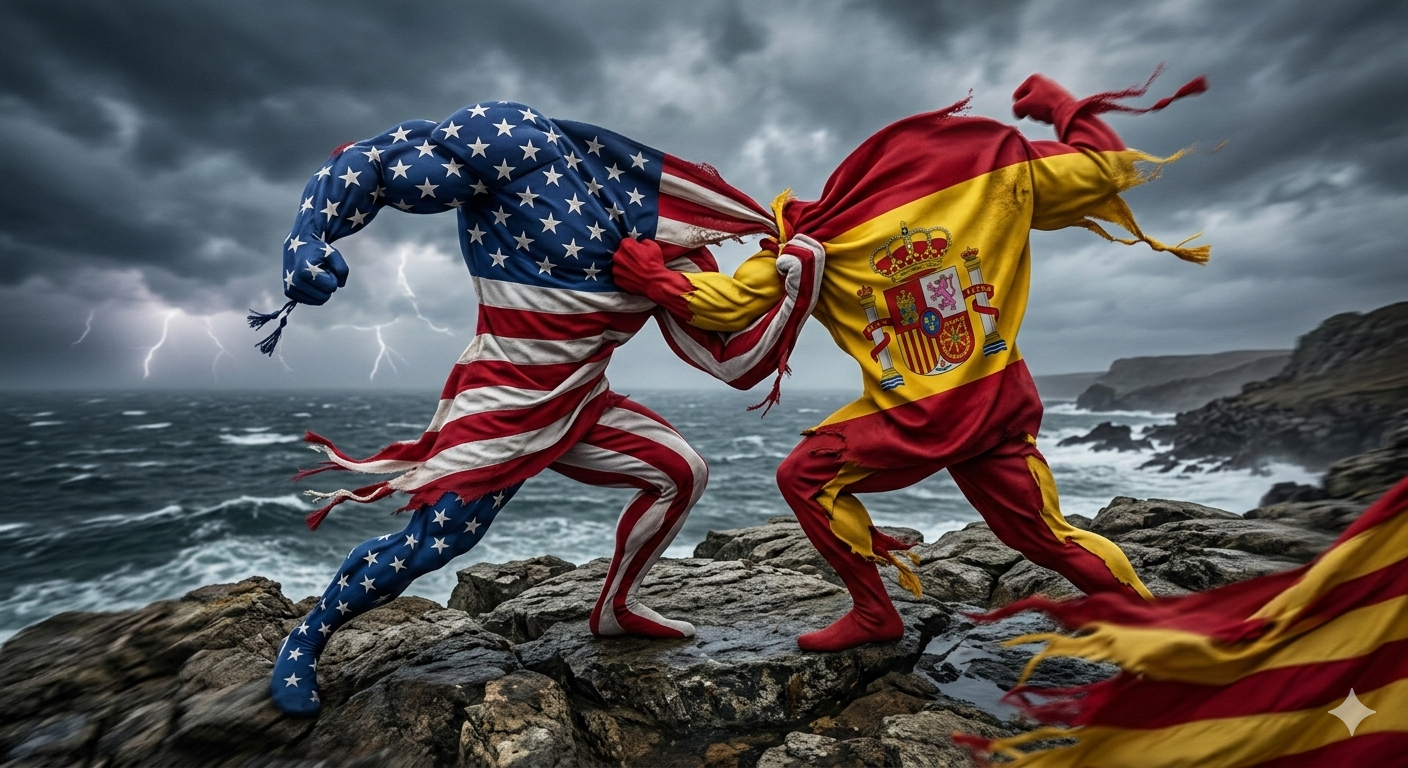
Fresh military escalation in the Middle East—sparked by the US and Israel’s “Operation Epic Fury” and “Roaring Lion” strikes on Iran on February 28, 2026—has oil markets on edge, with experts warning of Brent crude hitting $100 per barrel or more. Iranian forces retaliated with missile barrages on 14 US bases across the region, from Bahrain to Kuwait, while announcing a partial blockade of the Strait of Hormuz, the world’s oil chokepoint carrying 20-25% of global seaborne crude and LNG flows. Tankers are already rerouting, amplifying fears of supply chaos.
Iran pumps 3.3-3.5 million barrels daily (bpd), but the real threat is Hormuz: closure could wipe out 20 million bpd overnight, hammering Asia’s giants like China, India, Japan, and South Korea, plus Qatar’s gas exports. Engineer Luis Prieto, cited in recent analysis, pegs Brent at $100 soon if disruptions persist, calling it a “lance” upward for some economies (oil exporters) and disaster for importers. Goldman Sachs and Vanda Insights echo this: prolonged blockade rivals 1970s oil crises times three, with prices in triple digits and LNG at 2022 peaks.
The strikes targeted Teherán’s nuclear sites, missile launchers, and leadership (including Supreme Leader Ali Khamenei), per US and Israeli claims, after failed talks on uranium enrichment and proxies like Hezbollah. Iran’s response—live-fire drills, mine threats, and naval warnings—signals escalation, with Mohsen Rezaei’s council declaring Hormuz off-limits “until further notice.” Explosions rippled through Gulf states, risking wider involvement.
Critically, markets undervalue the peril: Brent closed at $72.48 (up 19% YTD), WTI at $67.02 (up 16%), but volatility looms. US escorts could reopen lanes, yet Iran’s missile stockpiles and desperation pose real risks. For importers, inflation surges; exporters like Russia or Saudi Arabia cash in. Globally, this tests Trump’s “maximum pressure,” but history warns: disruptions breed recessions faster than diplomacy heals them.