

By Mary Coleman
Senior Political Correspondent, Wide World News
February 23, 2026
The United States has introduced a new round of tariff measures following a landmark Supreme Court ruling that reshaped the legal foundations of the country’s recent trade policy. The decision, which invalidated a series of duties imposed under emergency economic powers, has triggered both immediate policy changes and renewed uncertainty in global markets.
U.S. Customs authorities confirmed they will stop collecting tariffs enacted under the International Emergency Economic Powers Act (IEEPA), after the court determined the administration lacked authority to impose such broad duties without congressional approval. The ruling could put more than $100 billion in previously collected tariffs at risk of refunds, creating significant fiscal and administrative challenges.
However, the policy shift has not resulted in a reduction of trade barriers. Instead, the administration moved quickly to introduce a temporary universal tariff under a different legal framework. Using Section 122 of the Trade Act of 1974, the government imposed a 10% import duty for up to 150 days, with plans to raise it to 15%, the maximum level permitted without congressional authorization. Officials argue the measure is intended to address trade imbalances and encourage domestic manufacturing.
The new tariffs apply broadly to imports from most countries, although certain strategic goods—such as critical minerals and energy products—are exempt. The rapid transition from one legal basis to another has generated confusion among businesses and trading partners, many of whom are still assessing the implications for supply chains and pricing.
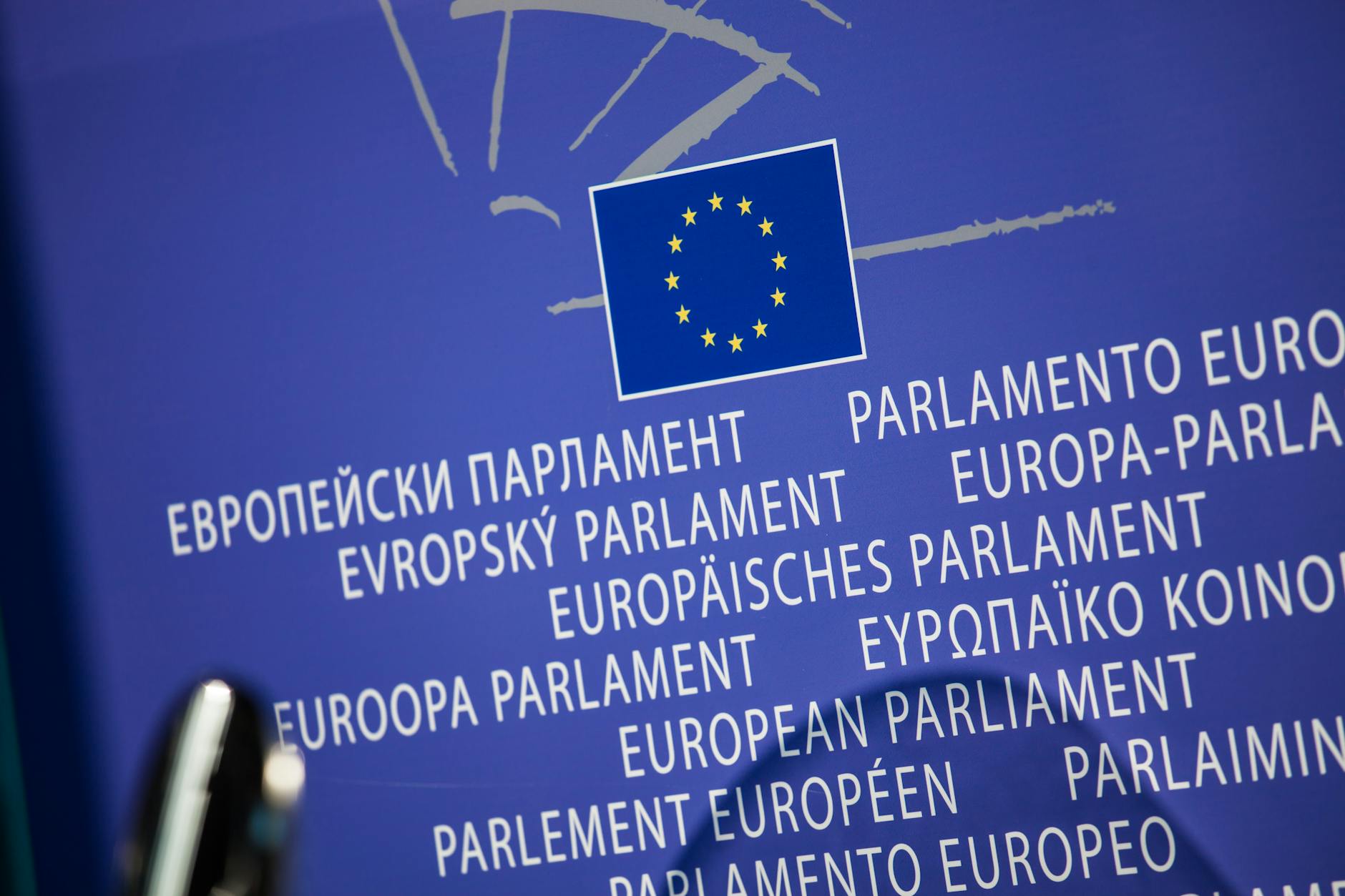
International reaction has been swift. European Union officials have called for clarity and warned that unpredictable tariff policies could disrupt transatlantic trade agreements. The EU has also signaled it could consider countermeasures if existing commitments are not respected. Similar concerns have been raised by other allies, highlighting growing tensions between protectionist policies and established trade partnerships.
Economists remain divided over the long-term effects. Supporters argue tariffs can protect domestic industries and reduce dependence on foreign production, while critics warn they may increase consumer prices, fuel inflation, and provoke retaliatory measures from trading partners. Business leaders have also expressed concern about policy volatility, which complicates investment decisions and long-term planning.
As the temporary tariff authority approaches its expiration window, attention will turn to Congress, which may ultimately determine whether the new measures become permanent. Until then, the global trade environment is likely to remain uncertain, with companies and governments alike preparing for further shifts in U.S. economic policy.