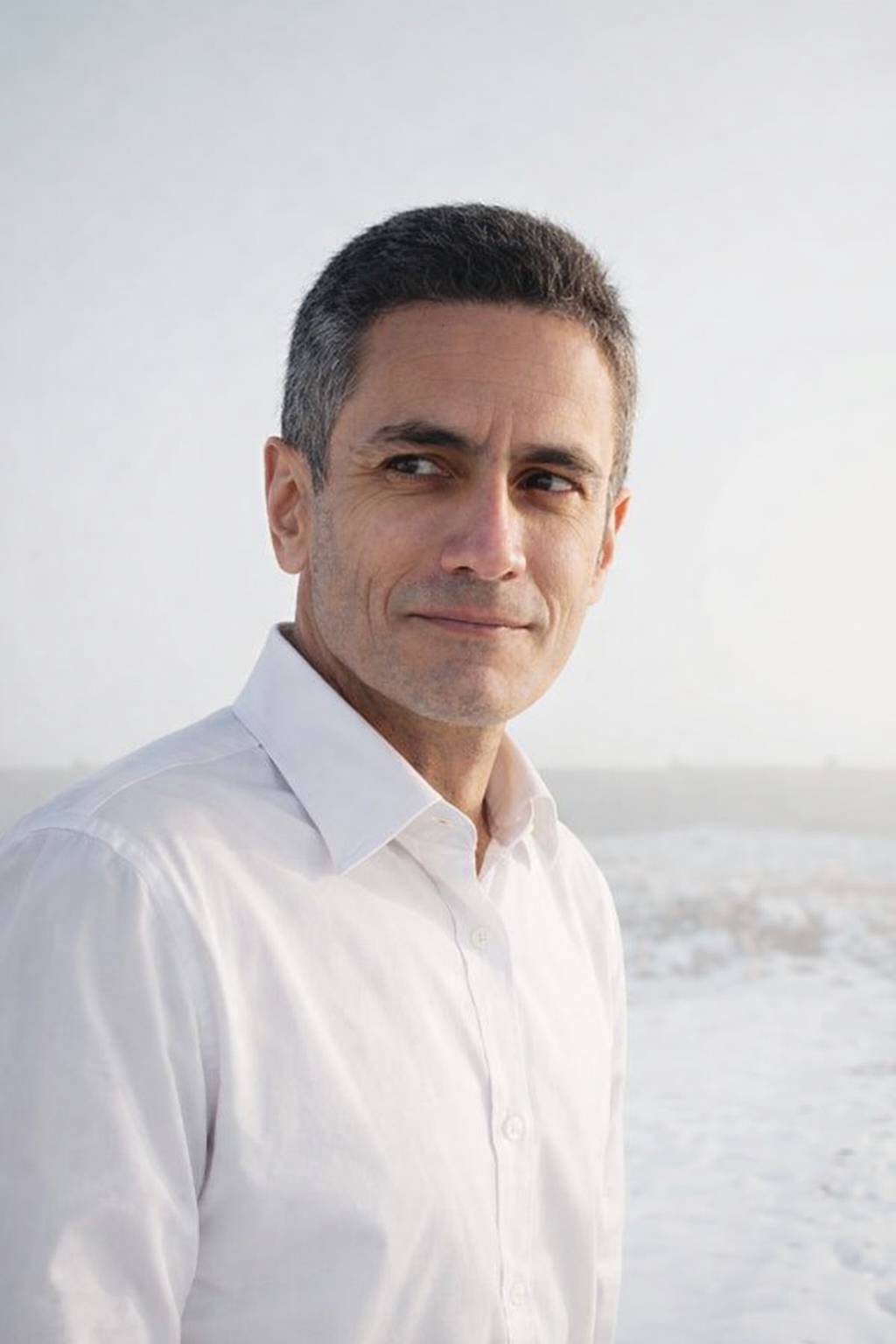

Brazil is pitching a strategic alliance with European nations to jointly develop critical minerals and rare earths, positioning itself as a key supplier for the green energy transition while demanding technology transfers to climb the value chain. Brazilian Ambassador to Germany Rodrigo Baena Soares made the case during a press briefing in Hannover ahead of the world’s largest industrial tech fair.
Beyond Raw Exports: Brazil Wants In on Processing
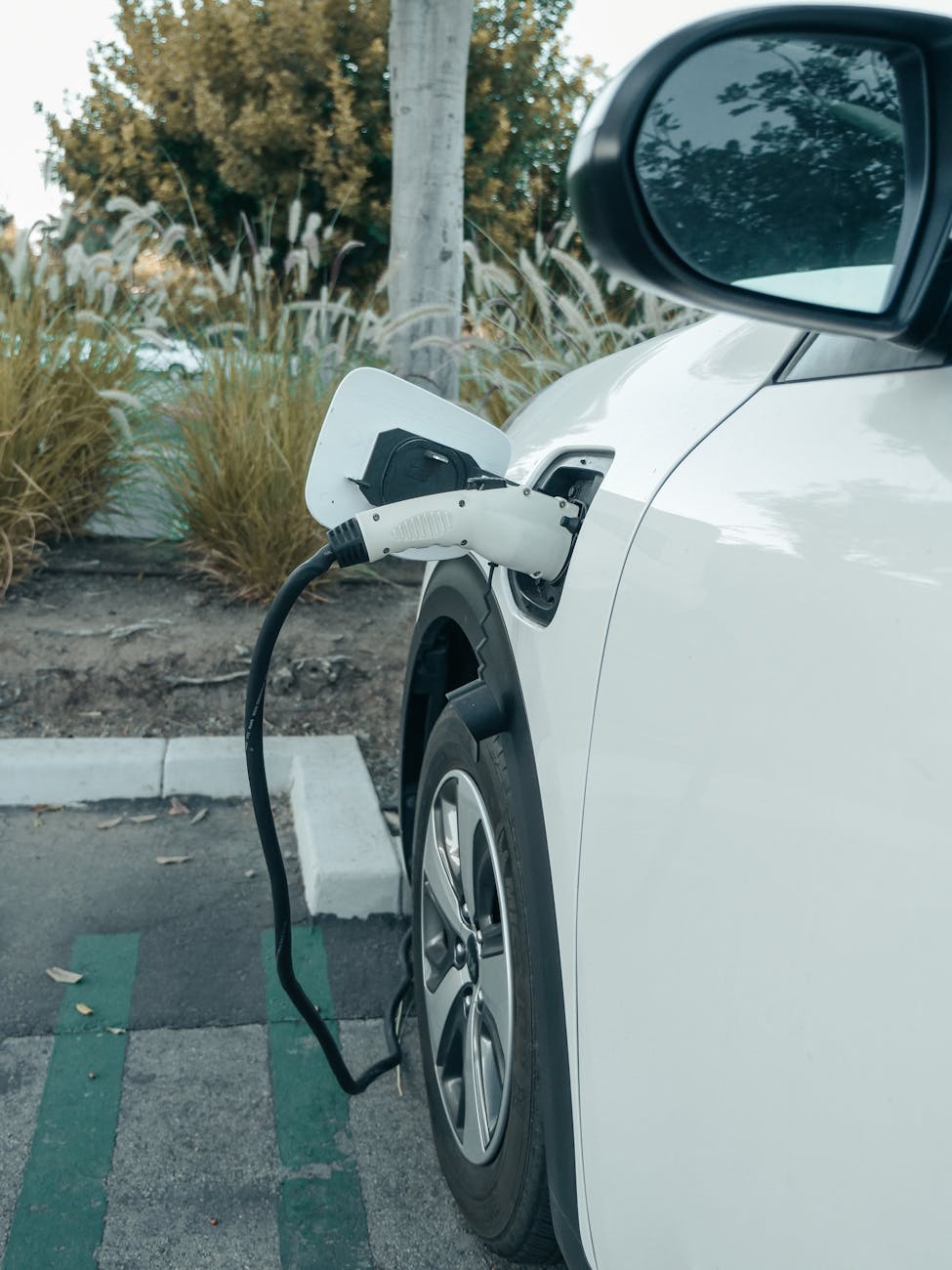
Baena emphasized that Brazil—home to vast reserves of niobio (94% of global supply), graphite (26%), nickel (12%) and 23% of rare earths—won’t settle for shipping unprocessed ore overseas. “We must add value domestically and join the full supply chain,” he said, calling for European tech partnerships, especially with German firms, to boost local refining and manufacturing. These minerals power wind turbines, EV batteries, satellites and defense systems.
The push aligns with the Mercosur-EU free trade deal, framing Europe as a “very important partner” for joint ventures rather than just a buyer.
Hannover Messe: Brazil’s Big Stage
Brazil takes center stage as the associated country at Hannover Messe (April 20-24, 2026), with 140 exhibitors showcasing industrial innovations. A dedicated side event will highlight its minerals potential to global buyers. Deutsche Messe AG CEO Jochen Köckler sees the Mercosur-EU pact as a “fantastic opportunity” amid U.S. tariffs, potentially forging a transatlantic free trade zone.
Brazil’s Minerals Arsenal
| Mineral/Resource | Global Reserve Share | Key Uses |
|---|
| Mineral/Resource | Global Reserve Share | Key Uses |
|---|---|---|
| Niobium | 94% | Steel alloys, superalloys |
| Graphite | 26% (2nd largest) | Batteries, lubricants |
| Nickel | 12% (3rd largest) | EV batteries, stainless steel |
| Rare Earths | 23% | Magnets, renewables, defense |
Strategic Play Amid Global Scramble
This move counters China’s dominance (60%+ of rare earth processing) and secures EU supply chains as net-zero deadlines loom. Brazil gains expertise to leapfrog from extraction to high-value production, creating jobs and reducing commodity price vulnerability. Risks remain: environmental pushback in the Amazon and political hurdles if Mercosur-EU ratification stalls.
The Hannover talks signal Brazil’s pivot from raw materials exporter to tech-enabled supplier—Europe needs the minerals, Brazil needs the know-how. Win-win, or just talk? April’s fair will tell.