

How strongly could China’s supply of rare earth minerals affect potential U.S. military operations against Iran?
Reports indicate that shortages of rare earth elements are already affecting the American aerospace and semiconductor sectors.
The United States depends heavily on minerals sourced from China for the production of key weapons technologies. According to the South China Morning Post, this reliance could give Beijing considerable leverage over how long Washington might be able to maintain military operations against Iran.
Sources cited by the publication say the U.S. currently holds around two months’ worth of rare-earth reserves. Because of this, supply issues are expected to be a central topic during the upcoming meeting in Beijing between Donald Trump and Xi Jinping, planned for late March or early April.
Why rare earth minerals matter
Marina Zhang, an associate professor at the Australia-China Relations Institute at the University of Technology Sydney, argues that America’s dependence on Chinese rare earth supplies gives Beijing meaningful indirect influence over both the duration and the financial cost of potential military conflicts.
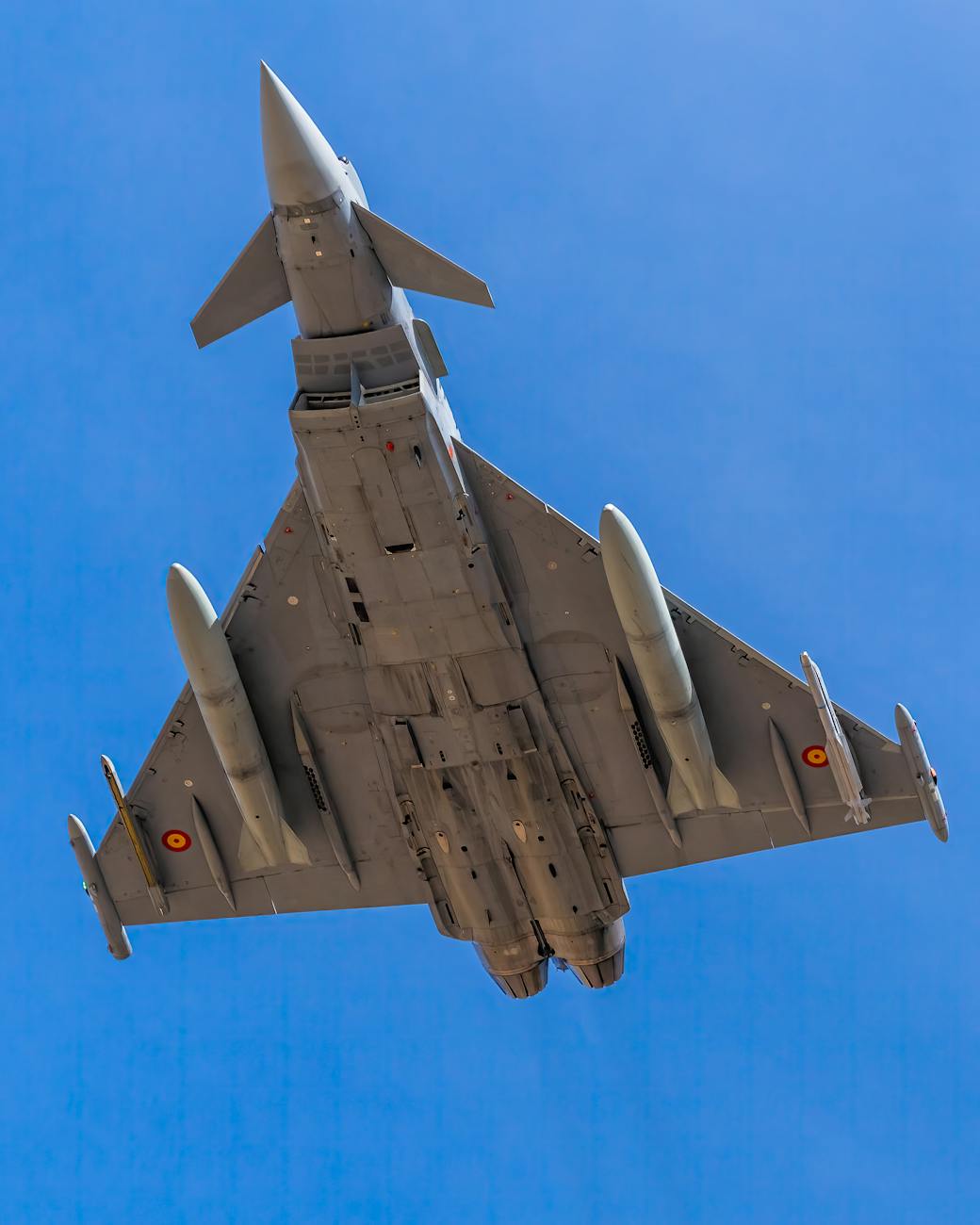
She explained that heavy rare earth elements, including dysprosium and terbium, play a crucial role in manufacturing high-performance permanent magnets, radar technology, missile guidance components, and propulsion systems used in advanced U.S. military hardware.
Such reliance could alter the strategic balance between Washington and Beijing by creating what Zhang describes as an “asymmetric vulnerability” for the United States. Meanwhile, China’s control of these resources could translate into practical leverage in diplomatic negotiations and broader geopolitical competition.
Data released this month by the United States Geological Survey shows that China supplied about 71% of U.S. rare-earth imports between 2021 and 2024.
During that period, China was also the sole provider of certain critical heavy rare earth elements, including terbium, leaving the United States without an immediate alternative supplier.
Zhang cautioned that stricter export restrictions from Beijing could lead to serious shortages of key components needed for weapons systems. In such a scenario, U.S. forces might only be able to sustain military operations in the short term using existing strategic reserves.
According to her, this dependence could eventually force Washington to slow weapons production, pay higher prices for limited substitute supplies, or draw down its already restricted strategic stockpiles.