

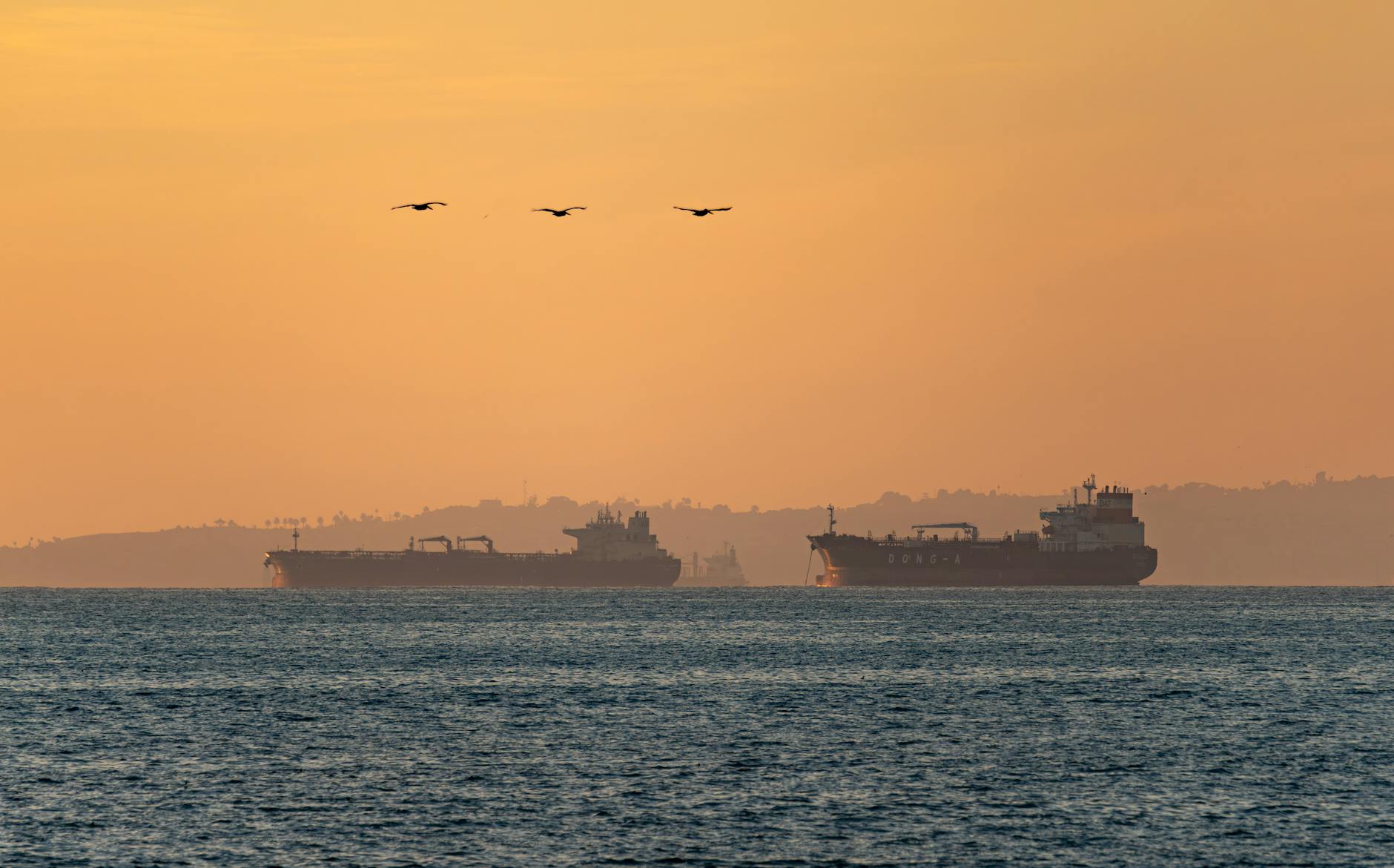
The idea of suspending the Jones Act might sound technical, but it speaks volumes about the extraordinary pressure now gripping global energy markets. For over a century, the law ensured that American goods moved on American ships, protecting domestic industry and maritime jobs. Yet today, under the strain of soaring oil prices and geopolitical chaos, even sacred economic traditions are up for debate.
Trump’s consideration of a temporary waiver isn’t just about cheaper fuel — it’s a symbol of how even the most constant rules can bend when faced with crisis. In politics, emergencies often expose priorities. What once seemed untouchable — national pride, industrial protection, economic self-reliance — suddenly becomes negotiable when the price of oil jumps and public anger rises.
There’s a quiet irony here. The very act meant to preserve American sovereignty is being suspended in the name of national interest. It’s a reminder that energy, more than almost anything else, dictates the rhythm of modern politics. Each barrel carries not just value, but vulnerability.
If the waiver happens, it will be remembered not only as a market maneuver but as a sign of how fragile our economic convictions become when confronted by global instability. In times like this, pragmatism always wins — and ideology quietly steps aside.