

When Donald Trump publicly urged other nations to join him in reopening the Strait of Hormuz, the response from the international community was strikingly cold. According to multiple reports, Trump asked allies — and even geopolitical rivals — to send military support to secure the vital waterway, which had been effectively shut down due to escalating conflict with Iran. Yet almost no country agreed to participate.
And critics argue the reason is simple: Trump made the decision to enter the conflict without consulting the very nations he is now asking for help.
🌍 Allies Respond With Caution — or Refusal
International reactions were far from enthusiastic:
- CBC News reported that Trump called on allies and even China to help defend the Strait of Hormuz, but “no one’s fully signed on,” with countries responding cautiously to his request.
- NBC News highlighted that European governments openly expressed reservations, with Germany’s Defense Minister stating: “This is not our war, we have not started it.” Allies made it clear they did not feel responsible for a conflict they were not consulted about.
- The Independent reported that Japan and Australia also declined to send naval ships, despite pressure from Washington. Trump claimed he had contacted seven countries, but none committed to joining.
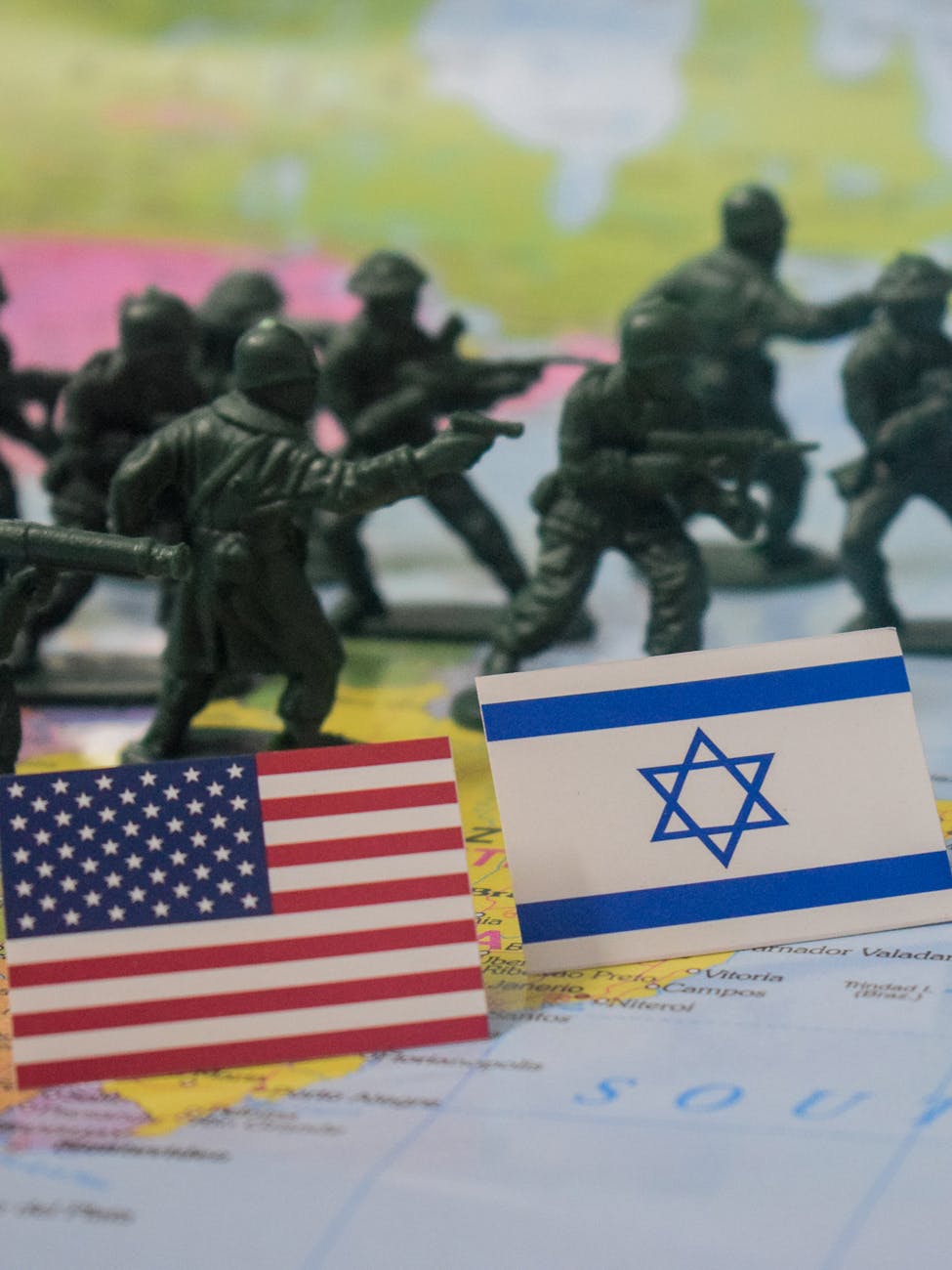
- Al Jazeera noted that analysts see Trump’s proposed naval coalition as “fraught with problems,” especially given that the closure of the Strait was a direct response to U.S.–Israel military actions.
In short, the world’s reaction was a diplomatic shrug.
🔥 Why Critics Say This Happened
Critics point to a clear contradiction:
1. Trump acted unilaterally — then demanded multilateral support.
Reports show he entered the conflict with Iran without consulting NATO allies or regional partners. Now, with the Strait of Hormuz blocked and global oil markets destabilized, he is asking those same countries to send ships and troops.
2. Allies feel they are being dragged into a war they didn’t choose.
European officials have openly stated that this conflict is not theirs. They were not part of the decision‑making process, yet Trump expects them to share the burden.
3. Years of strained relations are now showing consequences.
After years of public criticism, threats, and pressure on NATO partners, many governments are unwilling to follow Trump into a high‑risk military operation.
🛢️ The Strategic Importance of the Strait of Hormuz
The Strait of Hormuz is one of the most critical maritime chokepoints in the world:
- Nearly 20% of global oil passes through it.
- Its closure has already pushed oil prices above $100 per barrel, according to Al Jazeera.
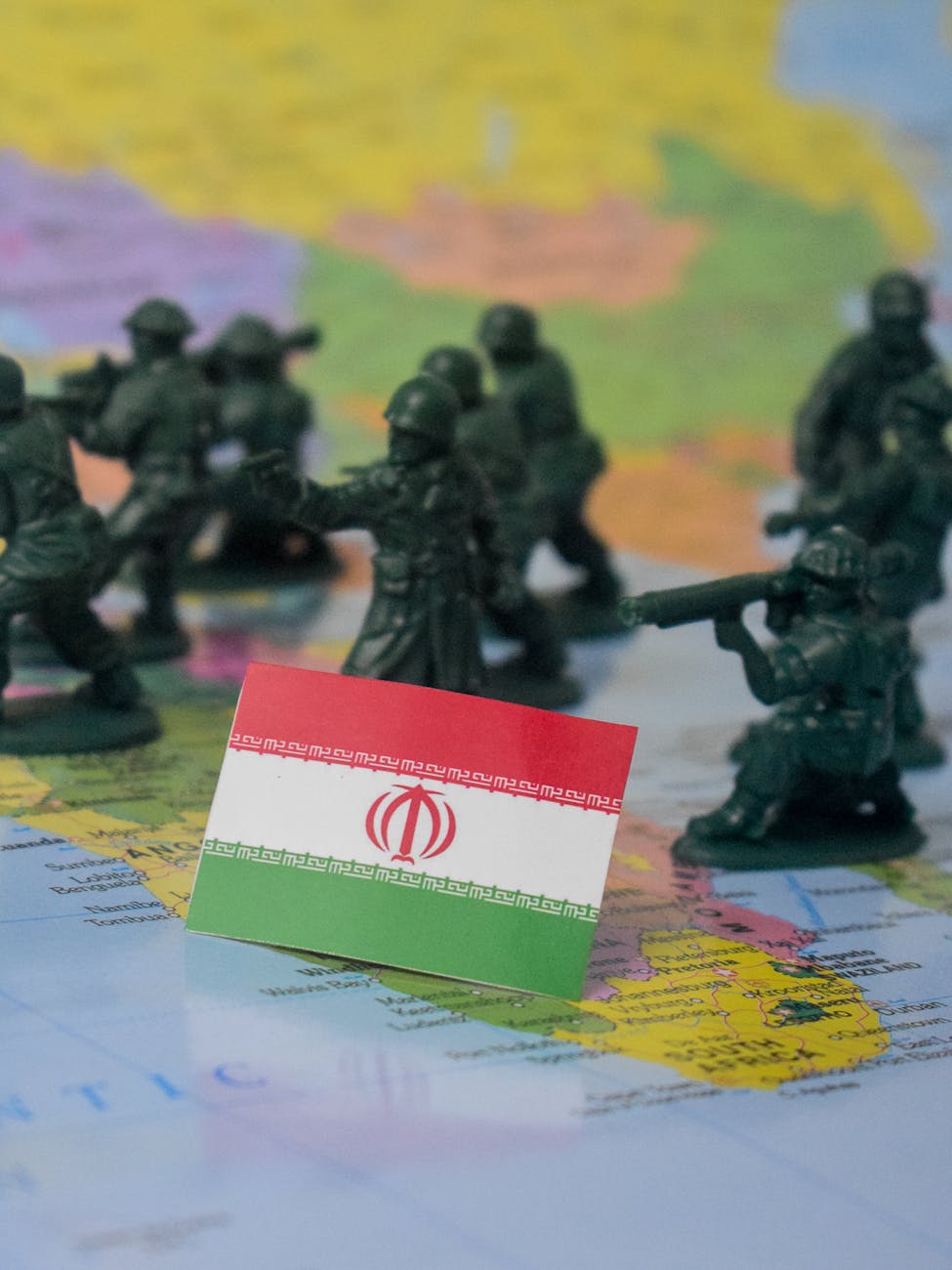
- Iran’s attacks on shipping began after the outbreak of the U.S.–Israel war with Iran, as reported by TIME.
Trump claims to have destroyed “100% of Iran’s military capability,” yet the strategic consequences remain severe.
🧭 A Crisis of Leadership?
Critics argue that Trump’s call for help exposes a deeper issue: international partners no longer trust U.S. leadership when decisions are made unilaterally.
The message from allies has been consistent:
- You didn’t consult us before entering the conflict.
- You criticized us for years.
- Now you want our ships, our troops, and our political risk.
- No — this is your war.
📝 Conclusion
Trump’s request for international support in the Strait of Hormuz has been met with hesitation, skepticism, and outright refusal. The situation highlights the consequences of unilateral decision‑making in global conflicts: when a leader acts alone, they may find themselves standing alone when they need help the most.