
María Corina Machado has long been one of the most prominent opposition figures in Venezuela. Known for her uncompromising stance against Nicolás Maduro and her calls for a complete political transition, she has positioned herself as a symbol of resistance. However, critics argue that her political influence has weakened in recent months, especially after her attempts to seek international backing — including from former U.S. President Donald Trump — did not produce the results she expected.
This analysis reflects what political analysts and commentators have said, not an opinion of my own.
🔍 1. Machado’s attempt to align with Trump
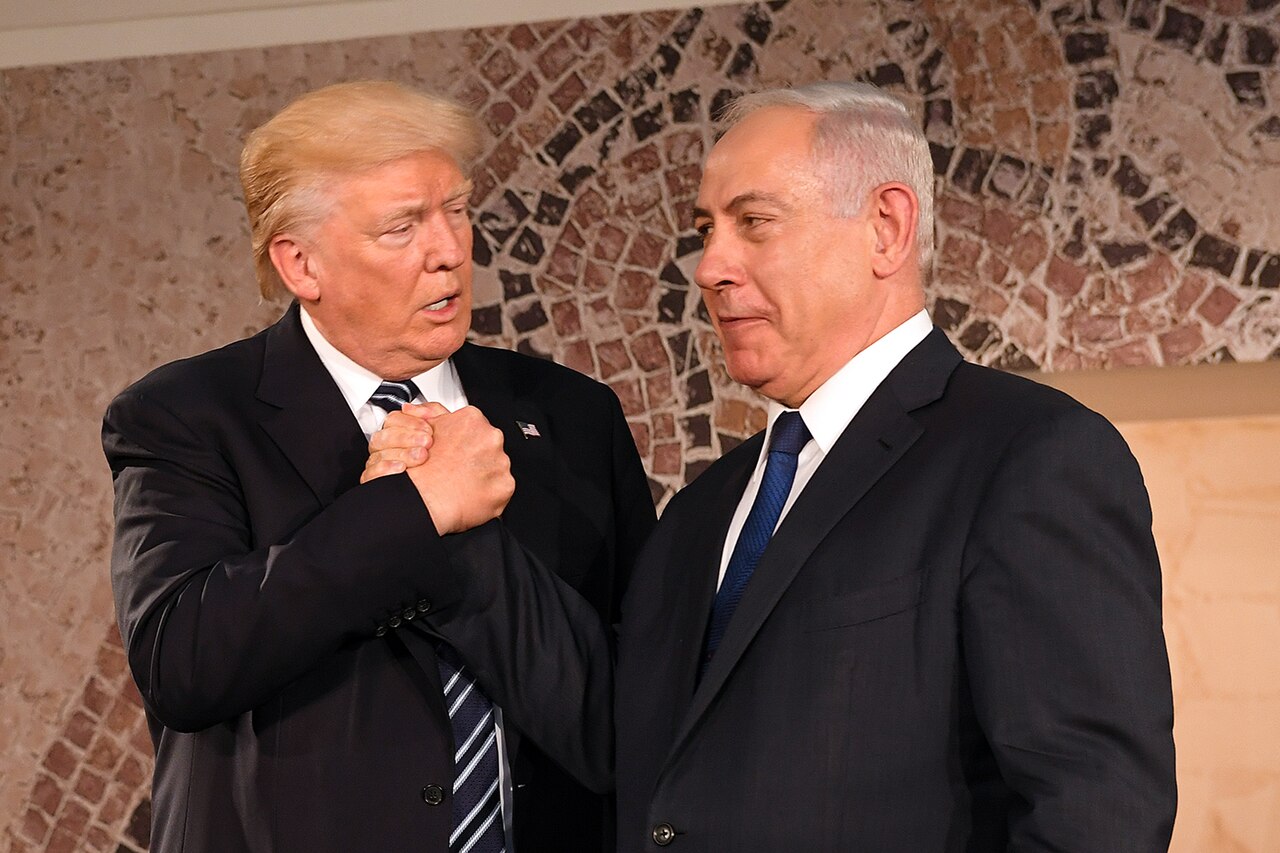
According to political observers, Machado sought strong support from the Trump administration during the years when Washington took a hard‑line stance against Maduro. Critics argue that she placed significant political capital in the idea that the United States, under Trump, would play a decisive role in forcing a transition in Venezuela.
Some analysts describe her approach as:
- Overly dependent on U.S. intervention
- Publicly deferential to Trump’s strategy
- Politically risky, given the volatility of U.S. foreign policy
Her critics say that this alignment created expectations among her supporters that Washington would take concrete action to accelerate regime change.
🛑 2. Trump’s shift in priorities — and the lack of reciprocal support
Commentators note that when Trump later shifted his attention to other geopolitical crises, Venezuela stopped being a central priority. Reports indicate that:
- Trump did not include Machado in later discussions about Venezuela’s political future.
- The U.S. approach became less focused on individual opposition leaders.
- Washington’s strategy moved toward negotiations rather than unilateral pressure.
This led critics to argue that Machado was “left out” of key conversations, despite her earlier efforts to align herself with Trump’s agenda.
📉 3. Perception of political decline
Some analysts claim that Machado’s visibility has decreased compared to her peak influence. They attribute this to several factors:
- Internal divisions within the Venezuelan opposition
- Her exclusion from electoral participation due to government bans
- The rise of other opposition figures with broader coalition support
- The lack of strong international backing after Trump’s disengagement
Critics argue that her strategy of relying heavily on external actors — especially the U.S. — weakened her position when that support did not materialize.
🗣️ 4. Claims that she “humiliated herself” — what critics mean
The phrase “humiliating herself,” used by some commentators, refers to:
- Her public appeals to Trump and other foreign leaders
- Her insistence that international intervention was the only viable path
- The perception that she subordinated her political strategy to U.S. decisions
These critics argue that when Trump did not follow through with decisive action, Machado was left politically exposed.
🧭 5. Has she disappeared? Not literally — but her influence is debated
There is no evidence that María Corina Machado has disappeared physically. However, analysts note that:
- Her public presence has fluctuated
- Her political leverage has diminished due to government restrictions
- Her role in the transition discussions has been limited
This has led some observers to say she has become “politically sidelined,” even if she remains active within her movement.
📝 Conclusion
María Corina Machado remains a significant figure in Venezuelan politics, but her influence has been the subject of debate. Critics argue that her strong alignment with Donald Trump did not yield the support she expected, and that Trump’s lack of follow‑through left her politically weakened. While she has not disappeared, her role in shaping Venezuela’s transition appears more constrained than in previous years.