

Saudi Arabia boasts eight UNESCO World Heritage Sites that span millennia, blending stunning natural wonders with profound human history. These locations reveal the ingenuity of ancient civilizations amid dramatic deserts and lush enclaves, drawing adventurers to explore their timeless allure.
Hegra: Nabatean Rock Marvels
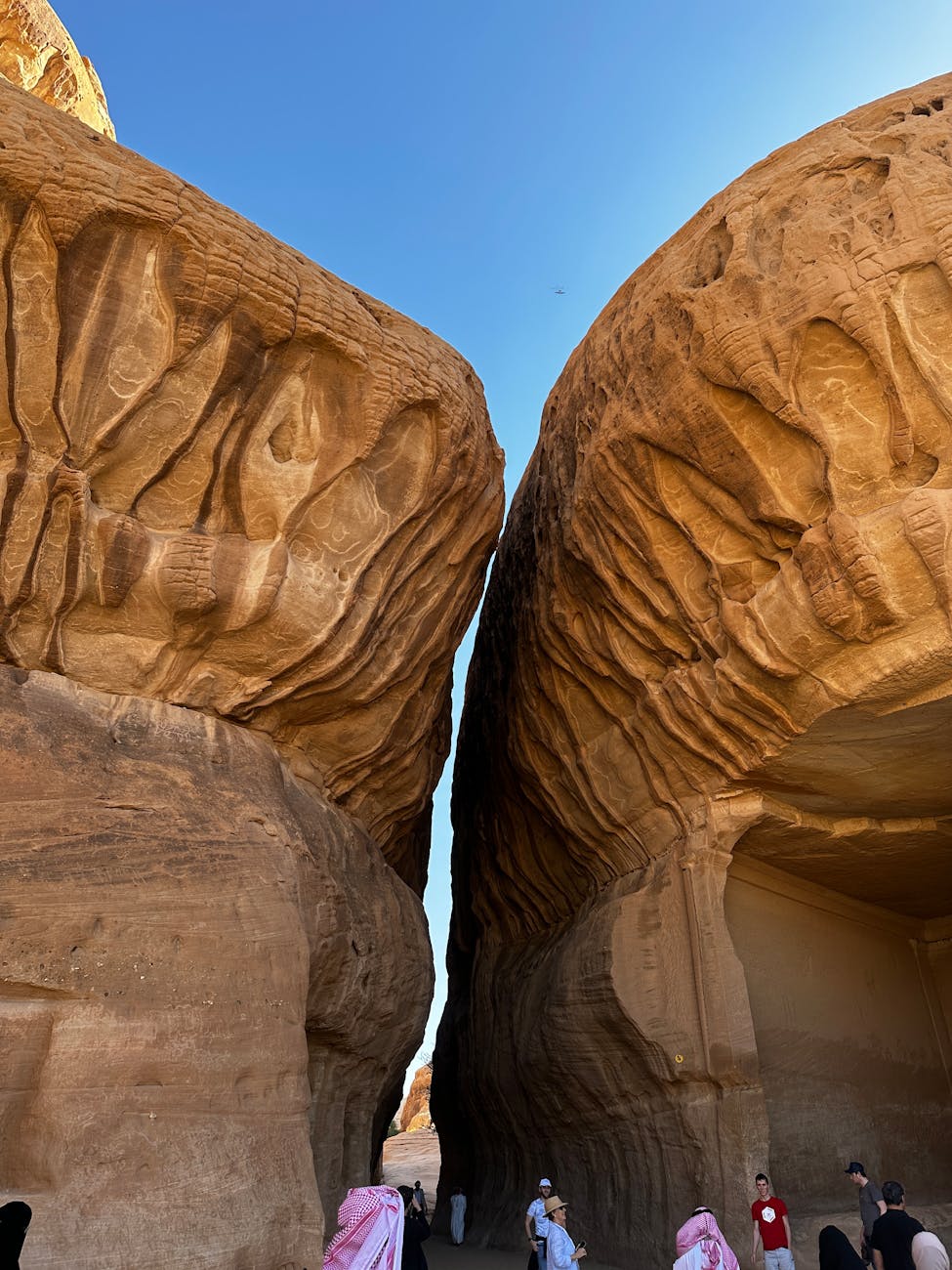
Saudi’s inaugural UNESCO site since 2008, Hegra showcases monumental tombs hewn directly from rose-hued sandstone by the Nabateans around 2,000 years ago. Towering facades blend Assyrian, Phoenician, and local styles, inscribed with five ancient scripts, offering a window into pre-Islamic caravan life.
At-Turaif in ad-Dir’iyah: Cradle of a Dynasty
This 15th-century district northwest of Riyadh served as the original Saudi capital, exemplifying Najdi architecture with mud-brick palaces, geometric facades, and labyrinthine courtyards. Nestled in a fertile valley oasis, its mosque ruins and towers evoke the birthplace of modern Saudi governance.
Al-Ahsa Oasis: The Planet’s Greatest
Spanning over 2 million date palms, Al-Ahsa stands as Earth’s largest oasis, cultivated since Neolithic times through ingenious falaj irrigation channels. Lush gardens, springs, and canals sustain diverse flora, fauna, and crops, embodying harmony between humanity and arid nature.
Himā Cultural Area: Open-Air Prehistoric Library
In this vast expanse, over 7,000 years of petroglyphs and inscriptions in Greek, Arabic, and more chronicle caravan routes, daily struggles, and rituals. The site’s pristine preservation makes it an unparalleled archive of early Arabian life.
Historic Jeddah: Red Sea Trade Gateway
Since the 7th century, Jeddah has welcomed pilgrims and merchants to Makkah via coral-stone houses and soaring 19th-century merchant towers. As the last intact Indian Ocean port, its multicultural architecture pulses with centuries of global exchange.
Hail Region Rock Art: Desert Chronicles
Amid the Great Nefud Desert’s red sands, thousands of carvings depict hunters, camels, and inscriptions from 10,000+ years ago. Once overlooking a vast lake, these petroglyphs trace environmental shifts and nomadic existence in northern Saudi Arabia.
Qaryat Al-Faw: Layers of Lost Civilizations
Home to nearly 12,000 sites from prehistoric to pre-Islamic eras, Al-Faw features nomadic tumuli linked to Mesopotamians and the ruins of a thriving caravan oasis city. Stone funerary paths and water-fed settlements highlight successive cultures.
‘Uruq Bani Ma’arid: Untamed Desert Biodiversity
On the Rub’ al-Khali’s edge, this reserve protects rolling dunes in gold-to-red shades and species adapted to extreme aridity, from oryx to dune foxes. Shielded by escarpments, it offers a pristine glimpse into Arabian ecology untouched by modernity.
These sites underscore Saudi Arabia’s role as a crossroads of history and nature—perfect for immersive journeys blending adventure and reflection.