

Cuban opponents have stormed a local Communist Party headquarters, hurling stones, breaking inside, and setting furniture ablaze in a bold act of defiance. This escalation stems from Cuba’s dire economic and energy crisis, which has fueled rare direct challenges to President Miguel Díaz-Canel’s fragile regime, as reported by The New York Times.
Surge in Protests
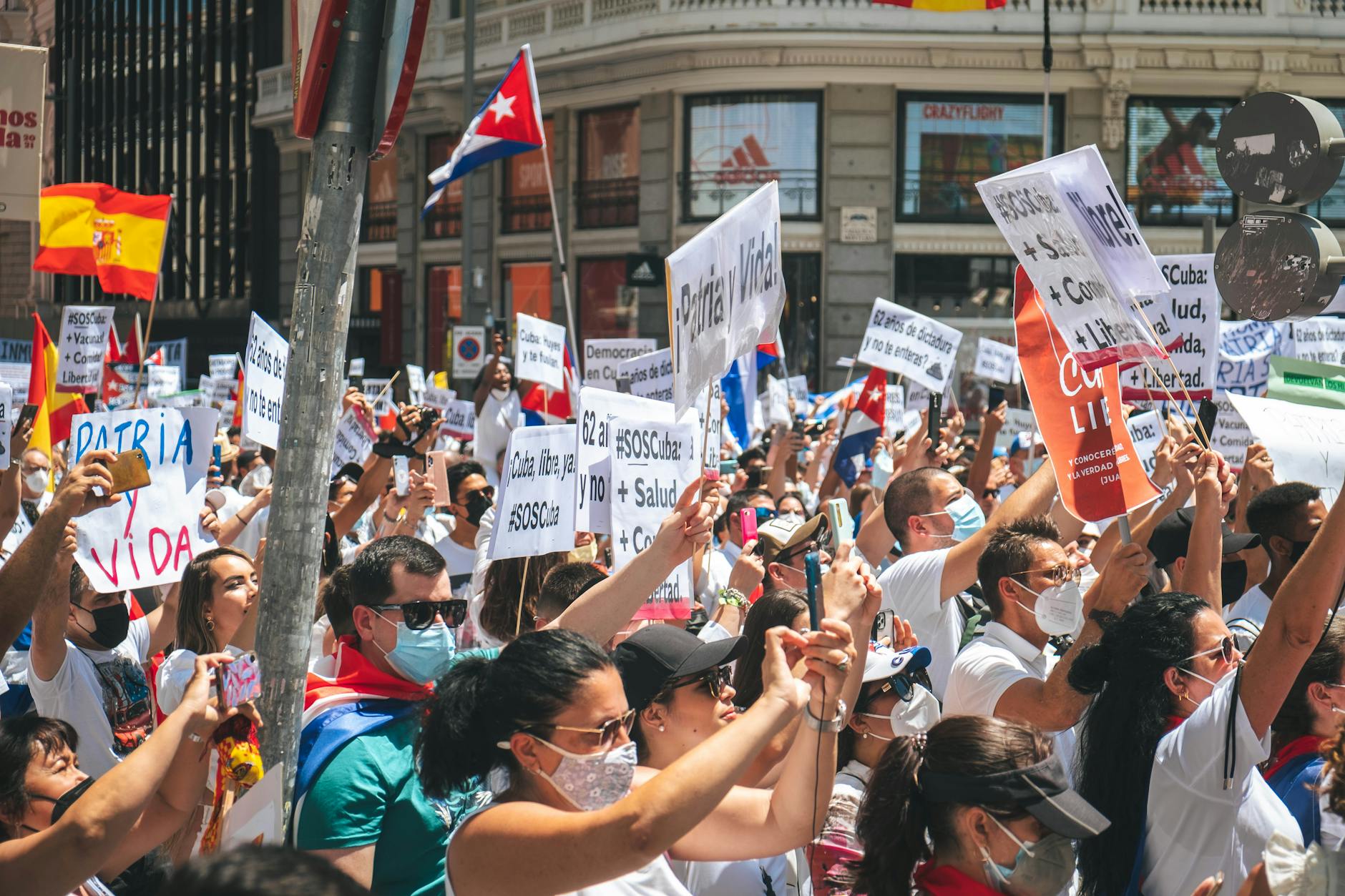
The standout incident unfolded Friday in Morón, where frustrated residents invaded the party office, dragged out furniture, and torched it after days of blackouts worsened by Venezuela’s cutoff of oil shipments. These outbursts mark a sharp uptick in dissent, including nightly pot-banging and spontaneous rallies, especially in Havana where power cuts loosen police oversight. At least five arrests followed, per the Interior Ministry.
Crisis Backdrop
Endemic shortages of food, fuel, and power—coupled with rampant inflation—have eroded daily life, sparking the boldest unrest since the 2021 July 11 protests that drew Díaz-Canel’s “combat order” and mass detentions, many still jailed according to Human Rights Watch. Youth-led clashes saw security forces regain control violently; activist Rosa María Payá alleged police fired on unarmed crowds, possibly injuring a minor.
Government and Global Reactions
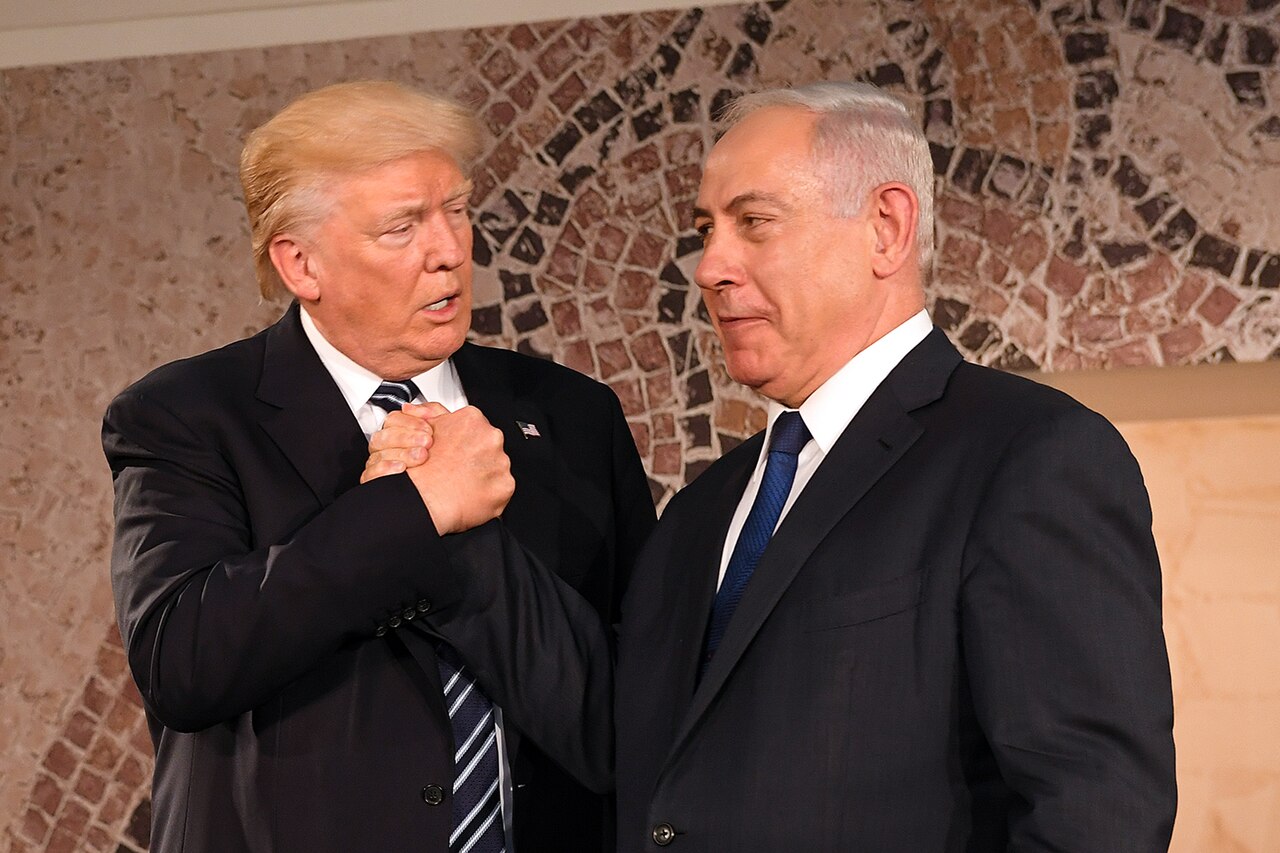
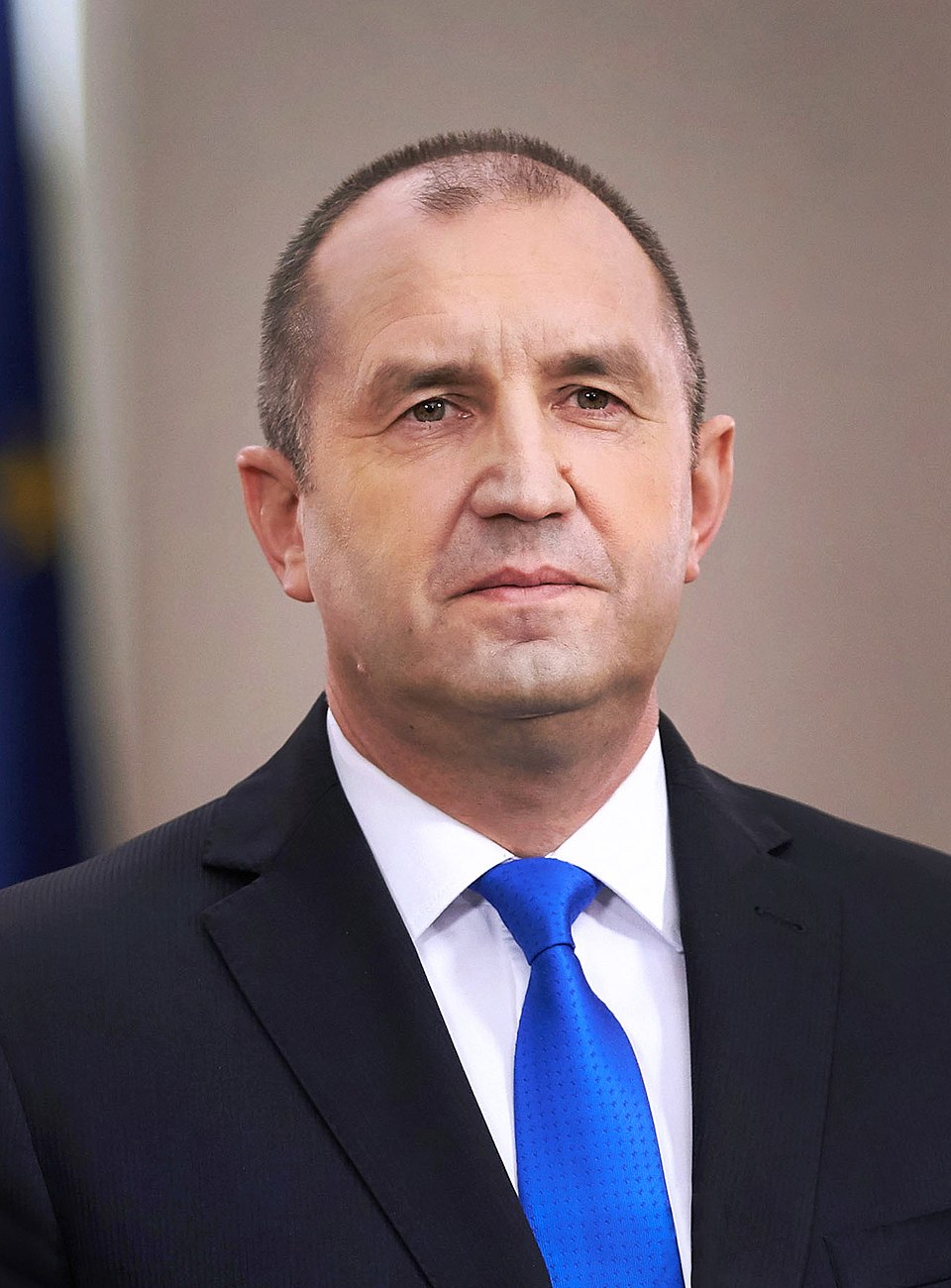
Havana blames the U.S. embargo, tourism slump, and internal woes, responding with arrests and vows against vandalism—hours after Díaz-Canel admitted U.S. talks on energy aid, despite prior denials. State media noted damage to a pharmacy and shop; U.S. President Donald Trump declared the regime “finished,” while diplomat Mike Hammer voiced concerns for protesters’ safety. Local officials staged a “revolutionary reaffirmation” rally in rebuke.
Voices of Support
Cuban-American congressman Carlos Giménez backed the demonstrators, urging an end to dictatorship. Historian Óscar Grandío warns these flare-ups signal potential regime collapse. Social media buzzed with outrage, highlighting a population pushed to breaking point.