

In a blistering Oval Office outburst, President Donald Trump has reignited his long-standing feud with NATO, threatening retaliation against allies who refused to join America’s military push against Iran. Speaking alongside Irish Prime Minister Micheál Martin, Trump didn’t mince words: Europe and Canada’s no-show in the Strait of Hormuz operation was a “profoundly foolish mistake” – a loyalty test they failed spectacularly.
“They all agreed Iran can’t have nukes,” Trump fumed on his social media platform. “But when it came time to act, they bailed. We spend hundreds of billions protecting them, and they do nothing when we need them.”
From Frustration to Ultimatum: The Iran Trigger
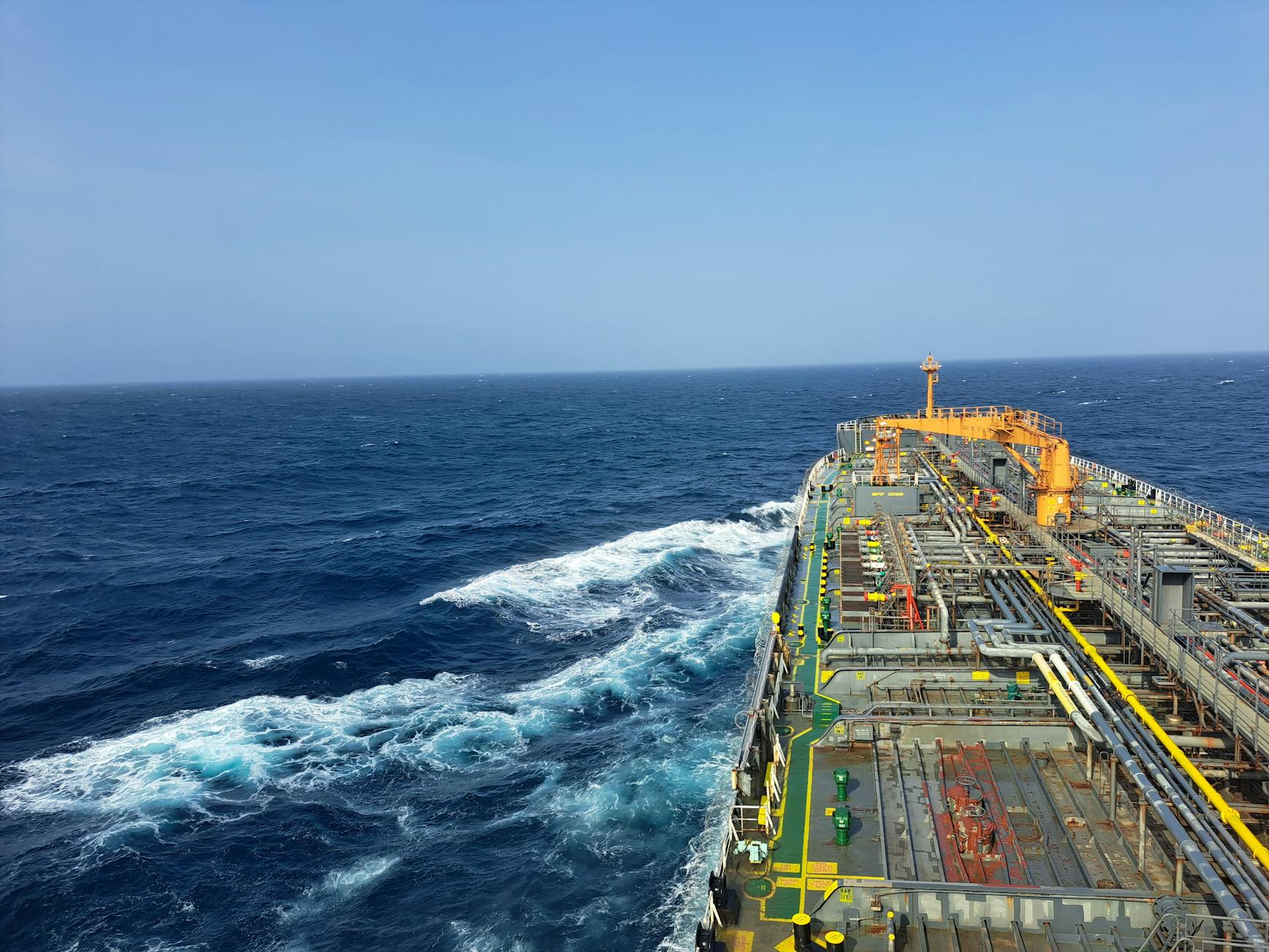
The immediate spark was NATO’s collective shrug when Trump called for a multinational naval coalition to secure the Strait of Hormuz after U.S. strikes on Iranian gas facilities. European capitals, war-weary and legally constrained, declined – despite what Trump calls “unanimous verbal support” for the operation.
Key Trump grievances:
- UK Prime Minister Keir Starmer caught special ire for staying neutral
- Canada and other allies cited domestic laws blocking offensive operations
- No European NATO member committed warships to the Hormuz mission
Trump’s calculus is brutally simple: “We don’t need them. Never did. America’s the world’s strongest power.” But the betrayal stings. “This was their test,” he said. “They should’ve been there.”
Constitutional Bombshell: “I Don’t Need Congress”
Most alarming for transatlantic relations was Trump’s legal bombshell: he claims unilateral authority to withdraw from NATO without Congressional approval.
“I can make that decision myself. I’ve worked with smart people, and I’d always deal with Congress, but I don’t need Congress for that decision.”
This echoes his first-term strategy of maximum pressure on alliance spending. Brussels took those threats seriously then – former Secretary General Jens Stoltenberg devotes memoir chapters to the 2018-2020 standoff. They’re taking this one seriously too.
Legal experts are split. Article 13 of the NATO treaty allows withdrawal with one year’s notice, but Congress controls U.S. funding (22% of NATO budget). Trump’s claim hinges on executive foreign policy powers established in post-WWII precedents. Constitutional scholars warn of Supreme Court showdown.
Mixed Signals: “We Don’t Need You” vs. “You Should’ve Been There”
Classic Trump: thunderous rage paired with strategic ambiguity. Within minutes, he’ll contradict himself:
Monday: “NATO’s a one-way street. They get protection, we get nothing.”
Tuesday: “We don’t need NATO’s help. Never have.”
Wednesday: “This was their chance to prove loyalty – they failed.”
The pattern serves multiple goals:
- Rally domestic base furious about Ukraine aid ($175B+ since 2022)
- Pressure Europe on defense spending (16/31 NATO members still miss 2% GDP target)
- Signal Iran that U.S. stands alone, undeterred
- Keep options open – threats work better than action
The Iran Context: Why Allies Balked
Trump’s Iran operation targeted a major gas field after Tehran’s alleged Strait of Hormuz provocations. European allies faced untenable choices:
| Ally | Position | Reasoning |
|---|---|---|
| UK | Verbal support, no ships | Iraq War backlash, legal constraints |
| Germany | Condemns Iran, rejects force | Post-WWII military caution |
| France | “Case-by-case” | Wants European strategic autonomy |
| Canada | Supports Israel, skips Hormuz | Election-year risk aversion |
Japan, Australia, and South Korea drew similar fire. All expressed solidarity with Israel but sent no forces.
NATO’s Existential Math Problem
Trump’s core gripe remains unchanged since 2016: America pays, Europe parties.
2026 NATO Burden-Sharing:
textUnited States: 3.38% GDP ($100B+ annually)
Poland: 4.12% GDP (top spender)
Germany: 1.95% GDP (finally above 1.5%)
Spain: 1.28% GDP (laggard)
Turkey: 2.10% GDP (controversial ally)
Europe’s $400 billion defense spending gap since 2014 fuels Trump’s narrative. His solution: make them pay or walk away.
Markets React, Brussels Braces
Immediate fallout:
- Defense stocks (Lockheed, Raytheon) +3-5% on U.S.-only spending fears
- European markets nervous about U.S. security guarantee erosion
- Gold spikes as Strait of Hormuz tensions persist
NATO HQ issued boilerplate unity statements, but diplomats are scrambling. A snap summit looms.
What Happens Next: Four Scenarios
- Classic Trump Theater (60%): Rage for headlines, quiet negotiation wins spending pledges
- Partial Retaliation (25%): Funding cuts, troop reductions in Europe
- NATO Exit Threat Formalized (10%): One-year withdrawal notice (unprecedented)
- Iran Escalation Sidelines NATO (5%): Hormuz blockade dominates headlines
The Bigger Picture: America First 2.0
This isn’t 2018 redux. Ukraine fatigue, Iran aggression, and Trump’s second-term mandate make this threat credible. Europe faces a stark reality: the U.S. political class increasingly sees NATO as outdated Cold War relic.
Three questions Brussels must answer:
- Can NATO survive without full U.S. buy-in?
- Who fills the conventional deterrence gap vs. Russia/China?
- Does “strategic autonomy” mean anything without American carriers?
Trump’s message is clear: “You’re either with us or you’re paying customers.” Europe’s response will define the alliance for the next decade.
The clock’s ticking. Congress isn’t calling the shots this time – if Trump’s right about his Article II powers. NATO just failed its biggest loyalty test since 1949. The world’s watching to see if it gets a second chance.