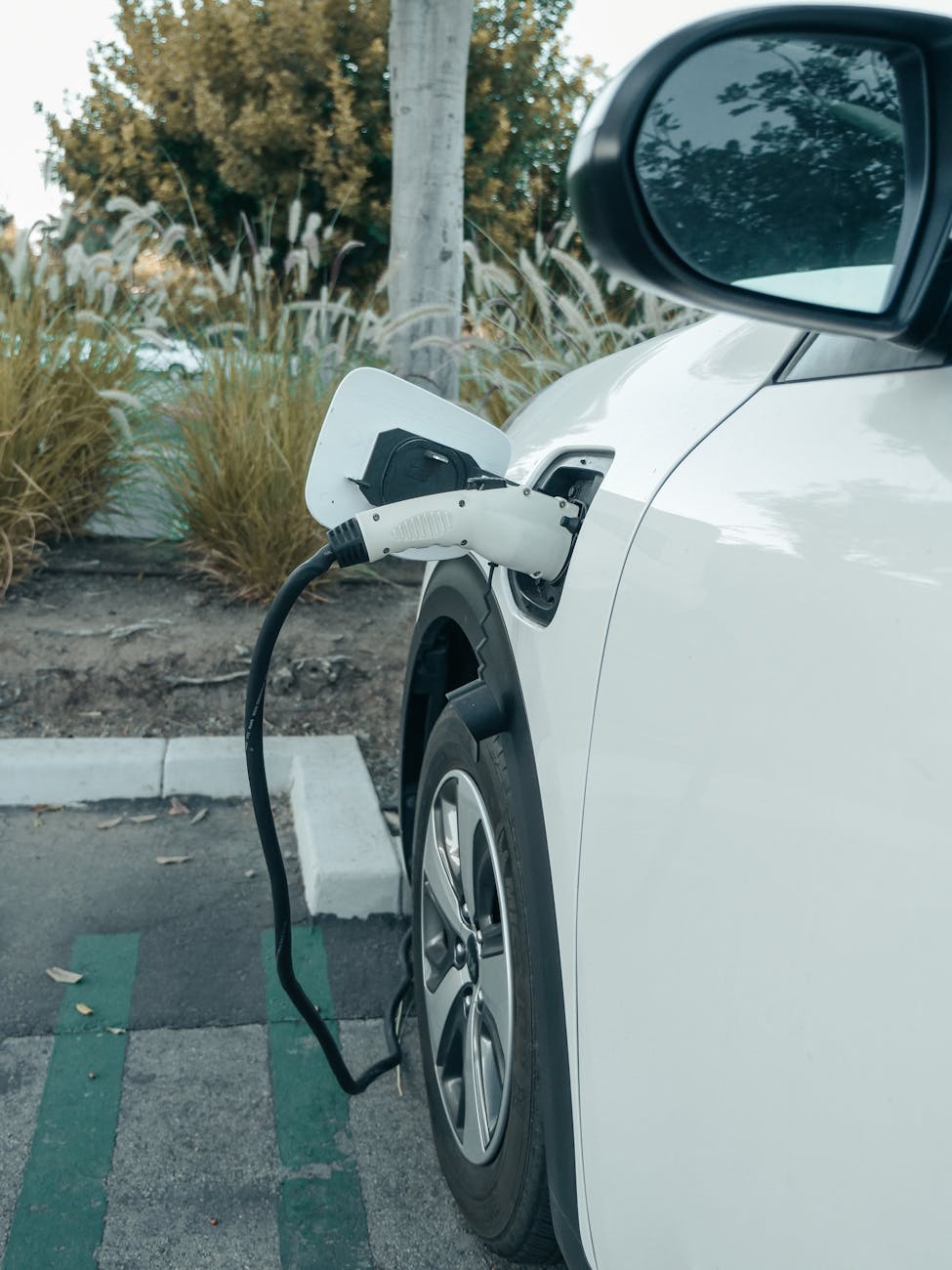


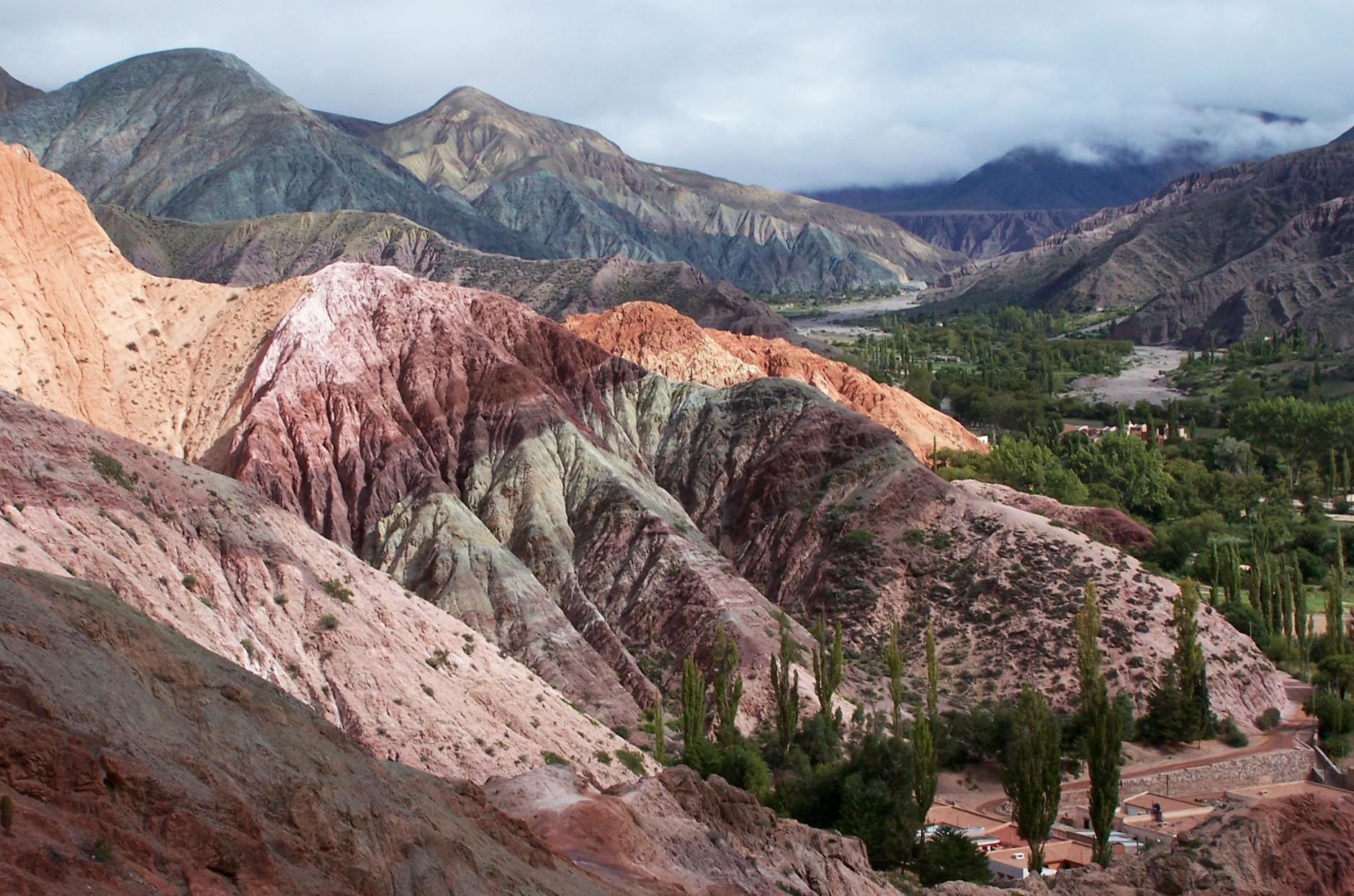
In a bold geopolitical pitch, Argentine President Javier Milei has publicly offered his country as a future energy supplier to the European Union, positioning Argentina as a potential “energy granary” for Europe. The proposal, framed as part of a broader strategy of economic reorientation and integration with global markets, shifts the conversation from traditional trade partners toward a long‑term energy partnership with EU countries facing energy diversification and decarbonization challenges.
Argentina’s energy card
Milei’s offer is based on Argentina’s vast natural resources, particularly in:
- Lithium: Among the largest lithium reserves in the world, crucial for electric vehicle batteries and energy storage.
- Natural gas and oil: Significant shale resources, especially in the Vaca Muerta formation, giving Argentina one of the largest unconventional gas reserves outside North America.
- Renewables: Growing wind and solar capacity, especially in Patagonia and other regions with high potential for clean‑energy generation.
From this perspective, Milei is not only offering to export gas or oil, but also to position Argentina as a hub for raw materials and intermediate products that feed into Europe’s transition toward cleaner energy technologies.
Europe’s need for diversification
Europe has been actively seeking to reduce its dependence on Russian energy and to diversify suppliers after the war in Ukraine. At the same time, the EU’s green agenda demands secure supplies of critical raw materials like lithium, copper and cobalt.
Milei’s proposal fits into this dual need:
- Supplying gas and, eventually, green hydrogen or derivatives to complement Europe’s mix.
- Providing lithium and other minerals that underpin electric mobility, batteries and digital infrastructure.
In this context, Argentina could become not a primary electricity supplier, but a key node in Europe’s energy value chain—from raw materials to processed inputs for batteries and other technologies.
A geopolitical and economic bet
Politically, Milei’s offer is a signal that Argentina wants to realign itself toward the West and integrate more closely with developed economies open to private investment. The message is: Argentina is a stable, liberal‑oriented country willing to bet on rule‑based markets, low‑taxation environments and open energy trade.
Economically, this vision implies:
- Massive investment in extraction, processing and export infrastructure.
- Development of ports, pipelines, and, in the medium term, projects for green hydrogen or ammonia for export.
- Regulatory frameworks that attract foreign capital, including from European and North American firms.
If pursued seriously, this could transform Argentina’s energy sector into one of the main drivers of its export economy, rivaling or even surpassing traditional agricultural exports.
Opportunities and challenges
The upside for Argentina is clear: higher revenues, more jobs, and a chance to become a structural player in the global energy transition rather than a peripheral commodity country. For Europe, it means another source of energy and minerals, and a potential “friendly” supplier away from current geopolitical flashpoints.
However, several challenges stand in the way:
- Infrastructure gap: Argentina still needs to modernize ports, gas networks and mining‑related logistics to reliably export at large scale.
- Environmental concerns: Extractive industries, especially lithium and gas, face growing scrutiny from environmental and local communities.
- Investor confidence: Milei’s radical reforms, while praised by some markets, have also generated uncertainty; long‑term energy projects demand stable, predictable rules.
- Russia and China: Both countries already supply large volumes of energy or minerals to Europe or to partners within Europe. Competing with them will require superior efficiency, transparency and political reliability.
Beyond gas and lithium: a long‑term narrative
When Milei says Argentina can be a provider of energy for the European Union, he is not just talking about gas pipelines or lithium shipments. He is promoting a longer‑term narrative: that Argentina can be a reliable, market‑oriented supplier of energy‑related goods and services in a fragmented, multipolar world.
Whether this vision becomes reality depends on more than good rhetoric. It will depend on consistent policy, real investment in infrastructure, social consensus and environmental safeguards. But the offer itself is a clear sign that Argentina under Milei wants to move from the margins to the center of global energy and raw‑material discussions—and Europe may soon have to decide how seriously it wants to take that bet.