

Beyond the Hype: Can AI Help Us Solve Global Crises?
By Erica Jhonson
Senior IA Correspondent, Wide World News
February 23, 2026
Artificial intelligence is often portrayed as a silver bullet for the world’s biggest problems. Whether the issue is climate change, pandemics, hunger or conflict, someone will claim that “AI can fix it.” This narrative is attractive because it suggests that technical solutions can sidestep messy politics and slow‑moving institutions. Yet the reality is more complex: AI can be a powerful tool in tackling global crises, but only if societies confront the political and ethical choices that come with it.
Consider climate change. AI can help model weather patterns, optimise energy grids, predict wildfire risks and improve the efficiency of buildings and transport. By crunching vast datasets, it can identify where emissions cuts will have the greatest impact or where adaptation measures are most urgently needed. These capabilities could make climate policies more targeted and effective. But they cannot decide whose emissions to cut first, how to distribute costs or what sacrifices are acceptable. Those are political decisions, shaped by power and justice, not algorithms.
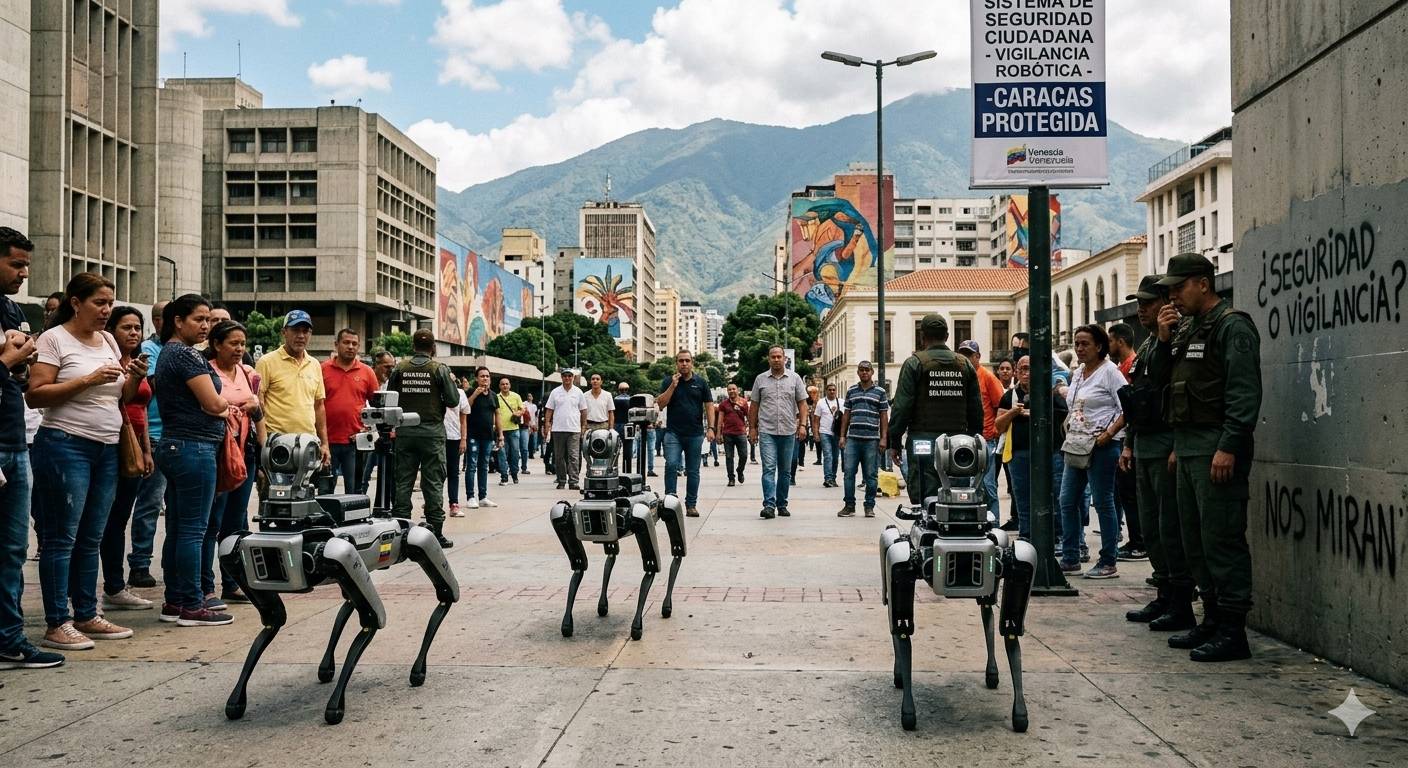
The same is true for health. AI‑driven systems can help detect outbreaks earlier, support diagnosis in under‑resourced clinics and accelerate drug discovery. During future pandemics, intelligent surveillance tools might spot unusual patterns of illness before they spread globally. Yet deploying such tools raises questions about privacy, data ownership and surveillance. Who controls the data? How is it secured? What safeguards prevent the misuse of health information for discrimination or repression? Without clear governance, AI that is meant to protect can easily be repurposed to control.
In humanitarian crises, AI can support early‑warning systems for famine or conflict, analyse satellite imagery to track displacement, and help coordinate aid delivery. This could save lives by directing scarce resources where they are most needed, faster than human analysts could manage alone. However, there is a risk of “data colonialism,” where information about vulnerable communities is collected and analysed by actors far away, without local input or benefit. If communities are treated as data sources rather than partners, trust erodes and interventions may miss cultural and political realities on the ground.
One of the biggest challenges is that AI tends to amplify the priorities of those who build and fund it. If most AI research is concentrated in a handful of wealthy countries and corporations, the tools produced will reflect their interests and blind spots. Global problems, however, look different from the vantage point of a coastal megacity, a landlocked village or a conflict zone. To make AI genuinely useful for solving crises, diverse voices must be involved in setting agendas, designing systems and evaluating impacts.
This suggests a different way of thinking about AI and the future of global cooperation. Instead of asking, “How can AI save us?” the more realistic question is, “How can we redesign institutions so that AI supports fairer and more effective collective action?” That may involve creating international frameworks for AI in disaster response, climate policy and global health, similar to existing agreements on aviation or nuclear safety. It may require new funding models that give low‑ and middle‑income countries more control over how AI is applied to their most pressing challenges.
Transparency will be crucial. If AI tools guide decisions about where aid flows, which regions receive vaccines or which areas are most at risk from floods, the assumptions behind those tools must be open to scrutiny. Otherwise, algorithmic decisions can hide political trade‑offs behind an aura of technical neutrality. Public oversight, independent audits and inclusive consultation should be built into any major AI system used in global governance.
Ultimately, AI will not eliminate the need for difficult compromises, nor will it erase conflicts of interest between states, companies and citizens. What it can do is provide better information, generate new options and reveal connections that human decision‑makers would otherwise miss. Whether this leads to more just and effective responses, or to more efficient forms of exclusion and control, depends on choices made now—about regulation, investment and inclusion.
The future will not be shaped by AI alone, but by the way humans choose to use it. If we treat it as a shortcut around politics, we are likely to be disappointed. If we recognise it as a tool embedded in political realities, we have a better chance of harnessing its power without surrendering our responsibility.