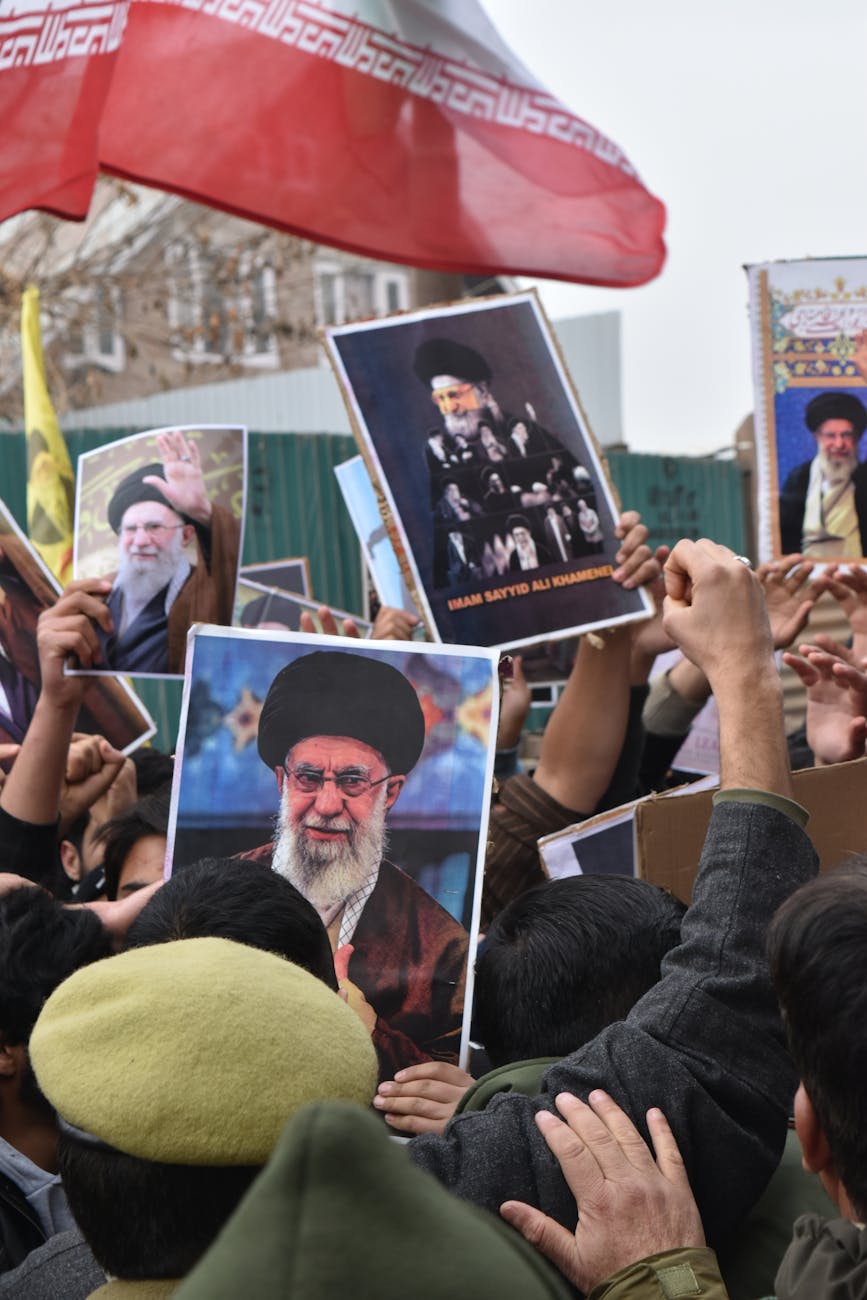



In the first weeks of the 2026 US‑Israeli war against Iran, a striking claim began circulating in Washington and Tel Aviv: Benjamin Netanyahu had persuaded Donald Trump that the Israeli Mossad, in coordination with US intelligence, could orchestrate a popular uprising inside Iran that would topple the regime in short order. Would a wave of protests, street riots and “people power” collapse the Ayatollah‑led government within days of the first airstrikes?
By now, the story is not just a rumor; it is a reported narrative, not a proven fact, based primarily on leaks and accounts from intelligence and policy circles. And the emerging evidence suggests that Netanyahu did use optimistic Mossad assessments to sell Trump on a quick regime‑change scenario—but that scenario has not materialized.
What the Reporting Actually Says
Multiple investigative reports, including a major New York Times piece in March 2026, describe how Mossad director David Barnea presented a plan to Netanyahu in late 2025 and early 2026. The essence of the pitch was:
- After a sharp US‑Israeli air campaign that decapitates key leaders and damages key institutions, Mossad and allied intelligence agencies would mobilize and channel the Iranian opposition.
- The goal: trigger large‑scale street protests and civil disobedience that, under pressure from the bombing, could grow into a regime‑toppling uprising.
Both Netanyahu and senior officials in the Trump administration were told that this “bottom‑up revolution” might bring the war to a swift end. According to these accounts, Netanyahu embraced this scenario and used it to help convince Trump that the war could be short, decisive, and culminate in the fall of the Iranian regime, rather than a long, grinding conflict.
Skepticism Behind the Scenes
Yet, many of the same reports add a crucial caveat: significant doubt existed from the start.
- Senior US intelligence and military officials warned that “people don’t go out to protest while bombs are falling from the sky”. They feared that airstrikes would stiffen loyalty to the regime rather than trigger a mass revolt.
- Analysts in the CIA and Israel’s military intelligence (Aman) regarded the idea of a quick, Mossad‑orchestrated revolution as highly speculative, if not unrealistic.
- Despite these warnings, Trump and Netanyahu chose a more optimistic reading of the intelligence, betting on the Mossad‑driven “revolution scenario” as the preferred path to victory.
Has the Revolution Happened?
So far, the answer is no.
- Three weeks into the war, no sustained, nationwide uprising has toppled the regime.
- Iranian security forces remain under the control of the state, and the government has used the war to rally nationalist sentiment and tighten internal control in many areas.
- Instead of a weakened government on the verge of collapse, US and Israeli assessments now describe a leadership that is still functioning, hardening, and even escalating the conflict.
Behind closed doors, Netanyahu has reportedly expressed frustration that the Mossad’s promises of internal unrest and regime‑change momentum have not been fulfilled. Reports describe a worried Netanyahu concerned that Trump may lose patience with a long, costly war if the “quick revolution” never arrives.
Fact‑Check: Rumor, Optimism or Deception?
So, is the idea that “Netanyahu convinced Trump the Mossad would create a revolution” a truth, a lie, or just a rumor?
- Partly true, as a narrative:
- Multiple reports agree that Mossad presented a plan suggesting a post‑strike uprising was possible.
- Netanyahu did use this optimism to help sell the war to Trump as a potentially short, transformative campaign that could end with regime change.
- Not a proved fact as an outcome:
- The promised revolution has not occurred, and independent intelligence assessments now question its likelihood.
- Not pure fake news:
- The story is rooted in leaked intelligence briefings and policy‑level accounts, not in anonymous social‑media rumors.
In other words: Netanyahu did not invent a lie out of thin air, but he did sell a highly optimistic‑and‑uncertain Mossad scenario to Trump as if it were a realistic, near‑guaranteed path to victory. The line between “we hope the Mossad can spark a revolution” and “the Mossad will create a revolution” has blurred in public discourse, turning cautious intelligence speculation into political promise.
What It Means Now
If the revolution does not come, the war could become protracted and costly, with Trump under pressure to exit and Netanyahu facing a political and strategic setback. The story of the “Mossad‑created revolution” may then become a cautionary tale: even when great powers trust their spy agencies, intelligence optimism does not always match ground reality.
For the public, the takeaway is clear: Netanyahu and Trump may have believed the Mossad‑led revolution story, but the war in Iran has not been ended by street protests—or by Mossad magic.