

Viktor Orbán has turned Hungary into the Kremlin’s most reliable foothold inside the European Union, positioning himself as both Vladimir Putin’s pragmatic partner and Donald Trump’s ideological soulmate while the rest of Europe watches with growing alarm. Since Russia’s full-scale invasion of Ukraine in 2022, Orbán’s “peace-first” rhetoric, energy deals with Moscow, and vetoes on EU aid have made Budapest the odd man out in a continent rallying against aggression.
Orbán’s Playbook: Pragmatism or Pro-Russia Tilt?
Orbán styles himself as Hungary’s defender, insisting that arming Kyiv or cutting Russian gas would drag his nation into war. He’s blocked or delayed every major EU sanctions package against Russia—now up to the 20th round—and frozen €6 billion in the European Peace Facility for Ukraine weapons, arguing Budapest’s security rests on NATO, not “proxy conflicts.” Yet Hungary hosts NATO troops, welcomed Ukrainian refugees with €200 million in aid, and keeps gas flowing to Kyiv, letting Orbán claim humanitarian bona fides while maintaining lucrative Moscow ties.
His defiance peaks in public: calling Ukraine an “enemy of Hungarians,” snubbing Zelenskyy at EU summits, and hosting Putin in Budapest as recently as October 2025 despite sanctions fury. Trade with Russia surged 7% last year, defying EU pressure, with nuclear fuel from Rosatom powering Hungary’s Paks plant—a deal Orbán calls “fair and balanced” even as Europe decouples.
The Trump Connection: A Transatlantic Lifeline
No one aligns closer with Trump than Orbán, who hosted the then-president-elect in 2019 and now pushes Budapest as a neutral venue for Trump-Putin peace talks. Putin himself endorsed this in November 2025, praising Hungary’s “pragmatism” during Orbán’s Moscow visit. Orbán accuses Brussels of sabotaging Trump’s “war-ending plan” by canceling a Budapest summit, framing himself as the dealmaker linking MAGA realpolitik with Putin’s maximalism.
This isn’t coincidence—Orbán’s Fidesz party echoes Trump’s isolationism, railing against “Brussels warmongers” and EU “war profiteering.” With Trump back in the White House come January 2025, Hungary bets on a US pivot that could gut Ukraine aid (€50 billion annually), letting Orbán normalize his vetoes without isolation.
Europe’s Deepening Distrust: The Orbán Problem
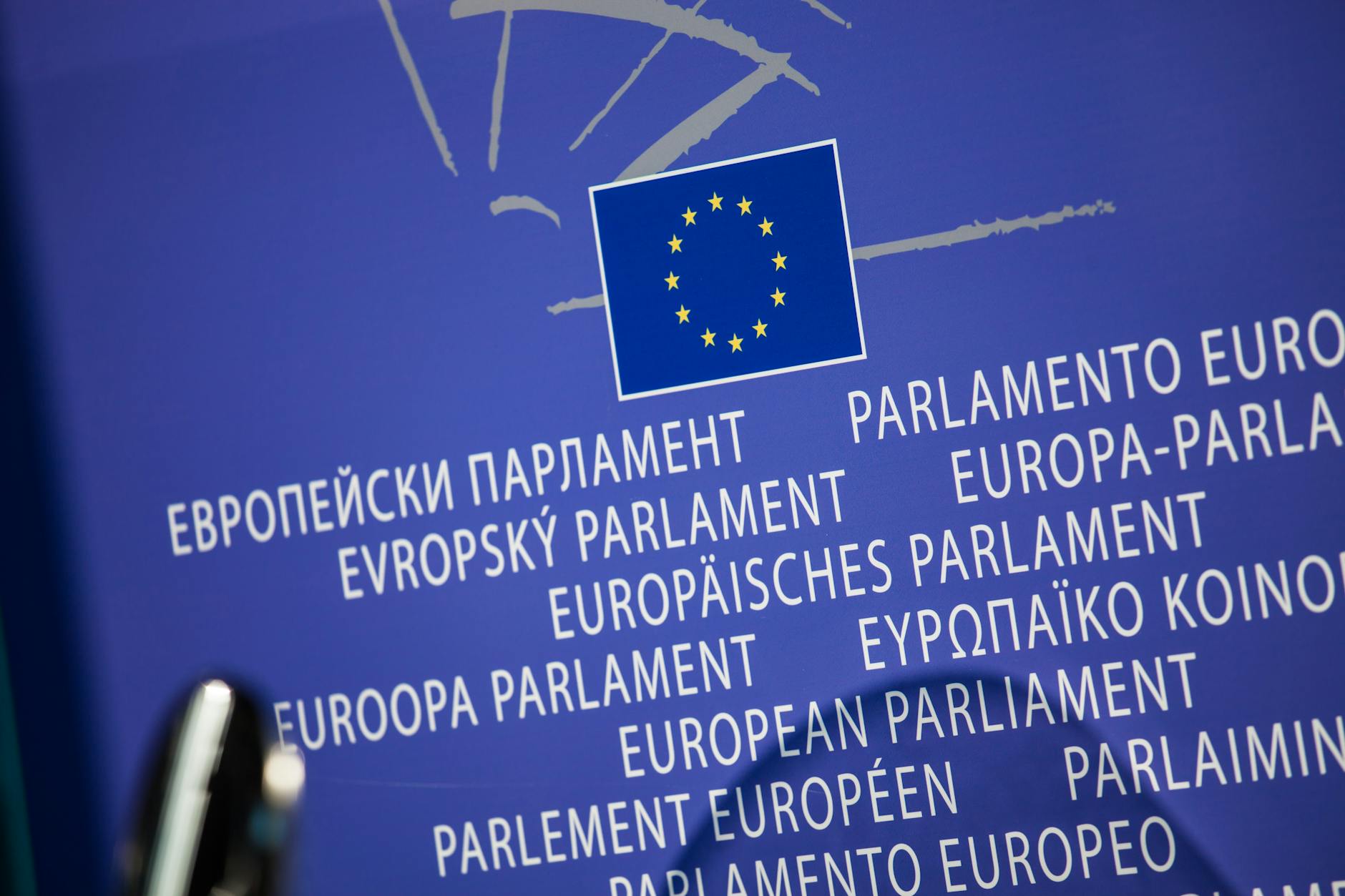
The EU views Orbán as a Trojan horse. Poland’s Tusk openly calls him “on the aggressor’s side,” while NATO’s Mirziolkowski warns Hungary risks expulsion from alliance structures. Brussels has withheld €20 billion in cohesion funds over rule-of-law breaches, but Orbán circumvents via bilateral deals—Chinese investments, Russian energy, now Trump whispers.
Ukraine bristles too: Orbán’s rights rhetoric for 500,000 Hungarian-speakers in Transcarpathia justifies blocking Kyiv’s EU accession, demanding bilingual education and autonomy that echo Kremlin hybrid tactics. Zelenskyy labels it “pro-Putin obstruction,” and even Germany—usually soft—pushes Article 7 proceedings to strip Hungary’s voting rights.
The Man Behind the Maneuvers: Orbán’s Authoritarian Long Game
Since reclaiming power in 2010, Orbán has hollowed out Hungary’s democracy: state media as Fidesz mouthpiece, judiciary packed with loyalists, NGOs defunded, and elections tilted via gerrymandering. His “illiberal democracy” fuses nationalism, anti-migrant walls, and Christian conservatism—Trump called him “subtle genius” for it. Polls show 50% approval amid economic woes, but opposition fractures under Pegasus spyware scandals and media blackout.
Globally, Orbán’s “Eastern Opening” courts Russia, China, and Turkey for leverage against a EU he deems “empire.” In Ukraine’s war, this means stalling €90 billion loans, rejecting no-fly zones, and painting Kyiv as the escalator—pure Putin playbook, wrapped in Budapest sovereignty.
What Europe Fears—and Why Orbán Thrives
Recalcitrance boils down to survival: Hungary’s landlocked, energy-poor, with 80% of gas once Russian. Orbán’s defiance buys domestic votes (“Hungary first!”) while eroding EU unity—one veto stalls 27 nations. Post-Trump, if US aid dries up, Orbán wins vindication; if not, he pockets refugee goodwill and cheap energy.
Yet cracks show: youth emigration hits 10% of under-30s, inflation bites, and isolation grows. Europe recalibrates—bypassing Hungary on Ukraine aid via Denmark’s €5 billion package—while Orbán gambles on a multipolar world where his Moscow-Washington tightrope pays off. For now, he’s Europe’s spoiler-in-chief, betting the continent blinks first.