

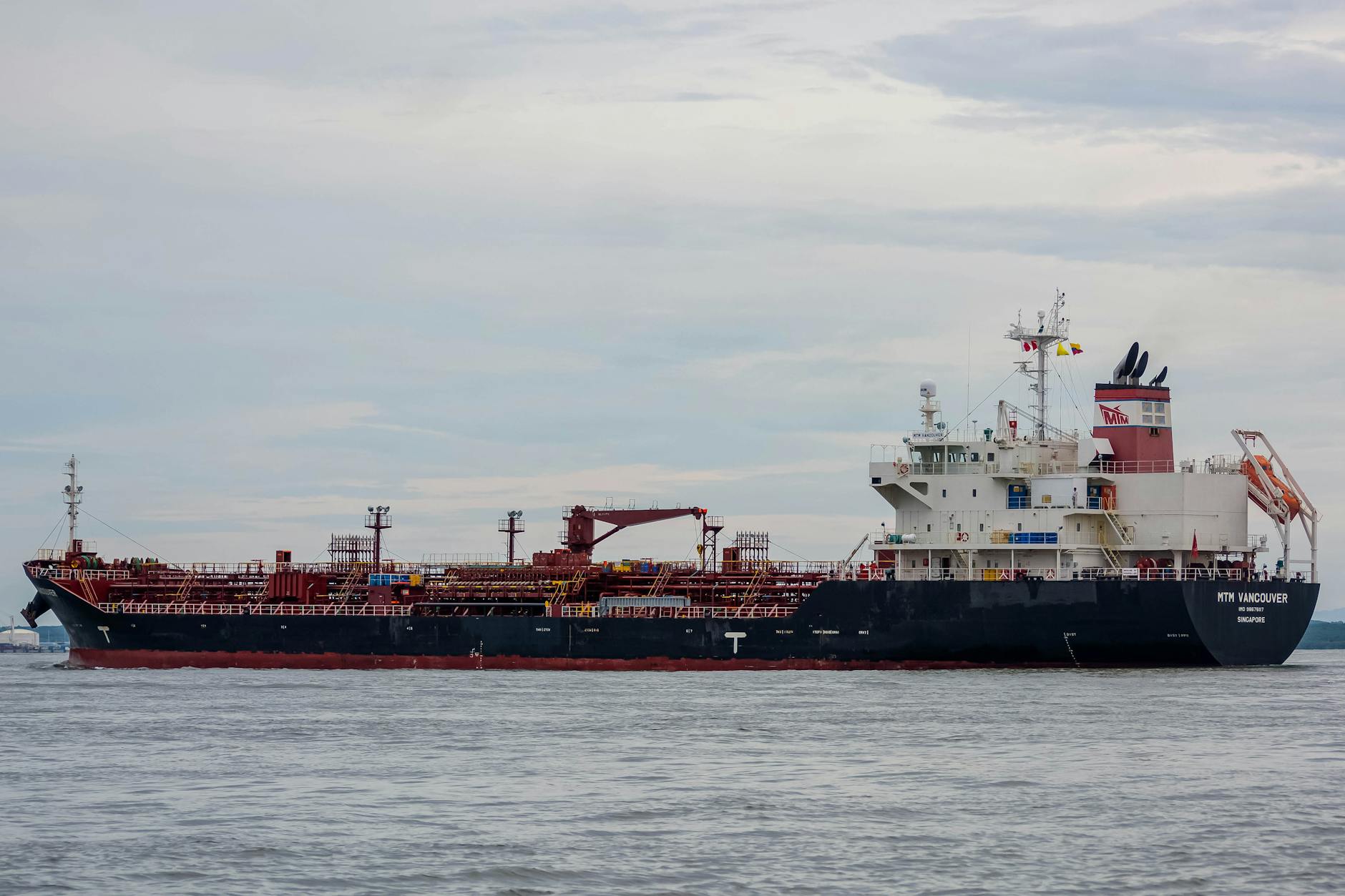
Russia is preparing to send a second oil tanker to Cuba, underscoring how severe the island’s energy crisis has become and how closely Havana now depends on outside fuel deliveries to keep its economy running.
Russian Energy Minister Sergei Tsivilyov said Cuba has been “completely blocked” and claimed that a Russian vessel had already broken through the blockade, with another ship now being loaded for the journey. His comments came just days after the Russian tanker Anatoly Kolodkin arrived in Cuba carrying a large crude shipment described by Moscow as humanitarian support.
The timing is politically charged. In January, Trump signed an executive order allowing the U.S. to impose tariffs on imports from countries that supply oil to Cuba, a move Washington framed as pressure on Havana but which also raises risks for countries doing business with the island. Cuba’s government says the result has been a severe fuel shortage that is hurting electricity generation, transportation, food production, healthcare, and education.
A crisis with global echoes
Cuba’s energy system is under extreme strain, and the impact goes far beyond the island itself. Because fuel shortages affect power plants, transport networks, and industrial supply chains, the crisis can quickly spread into every part of the economy and deepen shortages for ordinary people.
Moscow’s move is also a signal of defiance. By continuing shipments despite U.S. pressure, Russia is presenting itself as a political and economic lifeline for Havana at a moment when Cuba says it is being squeezed by external sanctions and fuel restrictions. That makes the tanker deliveries more than a logistics story: they are part of a broader geopolitical contest over influence in the Caribbean.
Why it matters
If Russia keeps sending fuel, it may help Cuba avoid a deeper collapse in electricity and transport systems in the short term. But it also increases tensions with Washington, especially as the U.S. has made clear that countries assisting Cuba could face economic consequences.
For Havana, the immediate issue is survival. For Moscow, the shipments are a way to project solidarity and challenge U.S. pressure. And for Washington, the situation shows that sanctions and tariffs can create exactly the kind of geopolitical friction they are designed to prevent.