

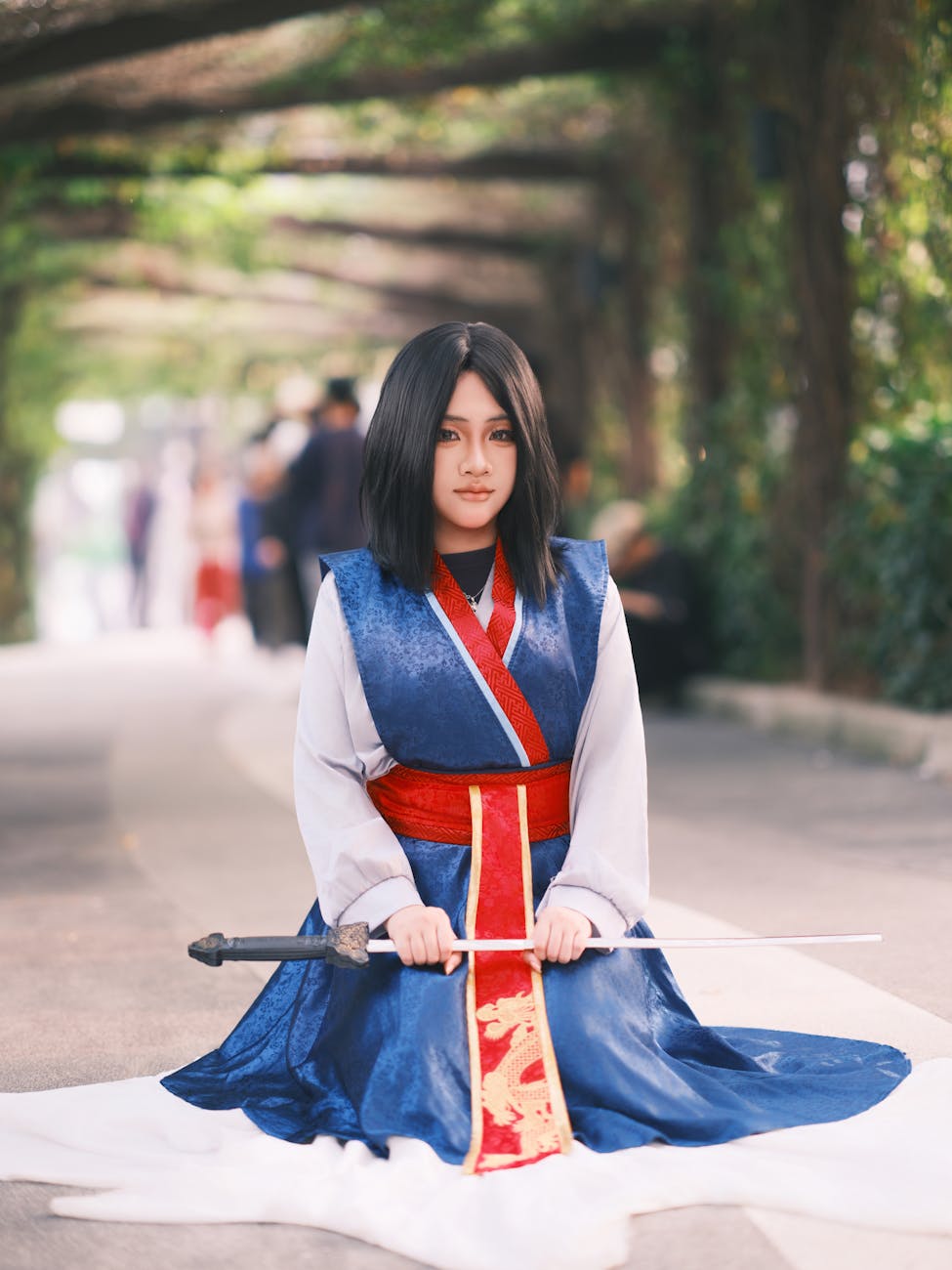
When most people think of samurai, they imagine a male warrior in armor, sword at his side, living by a strict code of honor. The image is powerful, romantic, and deeply ingrained in popular culture thanks to films, video games, and novels. But the real history of the samurai, especially during the Edo period (1603–1868) in Japan, is more complex—and more human—than the myth suggests. One of the most fascinating parts of that story, now highlighted in a major exhibition at the British Museum, is that many samurai households were not led by men alone. A significant number of samurai were actually women, and their lives reveal a different side of Japanese history.
For a long time, the samurai were understood as an almost exclusively male warrior class. The word “samurai” itself evokes images of masculine discipline, political power, and military prowess. But exhibitions and research in recent years—especially the British Museum’s display on samurai in Japan—have begun to pull back the curtain on the role of women within this world. These women were not just wives, daughters, or mothers in the background; they were often key figures who managed households, engaged in politics, defended properties, and even trained in martial arts and weapons.
In the Edo period, Japan enjoyed a long era of peace under the Tokugawa shogunate. With fewer large‑scale wars, the samurai role shifted from constant battlefield combat to a more administrative, bureaucratic, and ceremonial position. While some samurai served in local governments or in the ruling regime, many others lived in stately yet modest homes, where daily life was more about management, education, and social protocol than about battle. In that environment, the position of women inside samurai households gained new importance.
Many samurai families depended on women to handle finances, represent the family in social and political gatherings, and raise the next generation of educated leaders. In some cases, women took on the responsibility of training their sons and even daughters in martial disciplines. The picture is not that of docile, silent figures, but of women who were expected to be strong, intelligent, and resilient. Their lives were tightly bound to the samurai code—not only through their husbands and fathers, but through their own actions and expectations.
The British Museum’s exhibition brings together armor, weapons, scrolls, letters, and everyday objects that show the daily reality of samurai life. Among these items are objects that belonged to women: writing brushes, illuminated manuscripts, clothing, and even small weapons such as tanto short swords, which were carried by some women for self‑defense. These artifacts challenge the idea that the samurai world was only a male domain. Instead, they suggest a society where women exercised influence, even if they did so within the limits of a very rigid social hierarchy.
There is also growing evidence that, even in peace time, some women in samurai households were trained in fighting skills. Historical records, family diaries, and local accounts mention female relatives who knew how to use the bow, the sword, or the naginata, a long pole weapon often associated with women warriors. These women were not always intended for the front lines, but they were expected to defend family honor, property, and dependents in times of crisis. The image of a “hidden samurai woman” may sound surprising to Western audiences, but it fits within a broader Japanese tradition that recognized female strength, discipline, and resolve.
Another important aspect of the exhibition is the way it questions the very nature of the samurai myth. In many ways, the samurai were turned into heroes long after the Edo period ended. The Meiji Restoration, World War II, and the later global popularity of Japanese cinema and martial arts reshaped the samurai into almost legendary figures. The British Museum, by focusing on everyday objects and personal stories, invites visitors to think beyond the action scenes and the “lone warrior” stereotype. In doing so, the museum shows how both men and women in samurai families navigated a world of duty, restriction, and social expectation.
The claim that “half of the samurai were women” may be more of a provocative headline than a strict demographic statement. In traditional terms, the official samurai class was counted by male heads of households, not by gender composition within those families. Yet that simple fact should not obscure the real point: women were deeply embedded in the samurai system. They were not side characters; they were central actors in a society that balanced military tradition with domestic responsibility, education, and ritual.
From a modern perspective, the story of women samurai and the broader role of women in the Edo period also opens a conversation about how history is written and remembered. For a long time, museums, textbooks, and films emphasized male warriors, battles, and political leaders, leaving women’s experiences in the shadows. New exhibitions like the one at the British Museum are part of a slow but important shift: they invite us to see the past more honestly, to recognize the full range of human beings who shaped it.
In the end, the samurai of Edo Japan were not just men in armor. They were entire families, institutions, and local communities held together by rules, routines, and expectations. Women, even when they did not wear the same symbols, were part of that system. The British Museum’s exhibition about the samurai, then, is not only about swords and honor—it is about the quiet, unseen strength of the women who helped sustain that world, generation after generation.