


If Happiness Were a Sport, the Nordics Would Always Win – The Secret Behind Finland’s Happiness Dominance
If happiness were an Olympic sport, the Nordic countries would climb the podium without effort. In fact, they would take the top three spots. That is exactly what the latest edition of the World Happiness Report shows, once again placing Finland, Iceland, and Denmark at the top of the global well‑being rankings.
Finland leads the list for the ninth year in a row—an unprecedented achievement. Iceland comes in second, and Denmark takes third place. The ranking is prepared by the Wellbeing Research Centre at the University of Oxford and is part of an annual report that measures happiness around the world using a mix of social and economic indicators.
One of the big surprises this year was Costa Rica, which climbed to fourth place—the highest position ever reached by a Latin American country in the survey’s history. After that, the leaderboard turns Nordic again: Sweden lands in fifth, and Norway in sixth. Europe dominates the rest of the top 10. The Netherlands finishes seventh, Israel—the only Middle Eastern country in the top twenty—ranks eighth, and Luxembourg and Switzerland round out the list in ninth and tenth place, respectively.
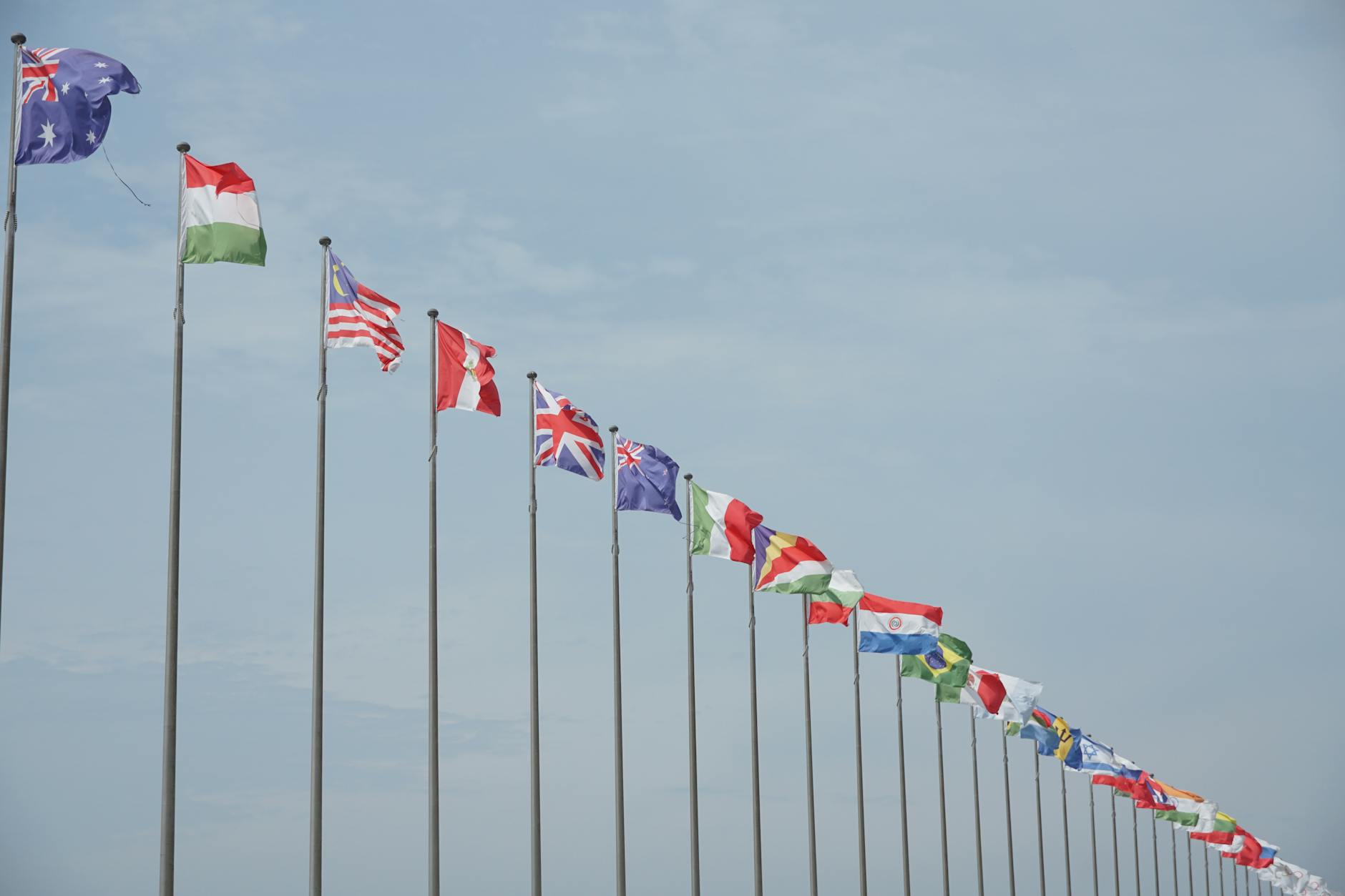
English‑speaking nations, by contrast, have now fallen outside the top positions for the second year running. The United States placed 23rd, Canada came in 25th, and the United Kingdom sank to 29th. Australia, New Zealand, and Ireland also failed to break into the top 10.
How is happiness measured?
The report relies on the Gallup World Poll, which asks people in 147 countries to rate their lives using the so‑called Cantril Ladder. On this scale, 10 stands for the best possible life, and 0 for the worst. Based on those answers, researchers test six key factors that help explain why some countries score higher than others: GDP per capita, life expectancy, generosity, social support, perceived freedom, and levels of corruption.
To avoid letting one‑off events—wars, economic shocks, or natural disasters—skew a country’s score, the ranking is calculated from an average of the last three years of data. In Finland’s case, citizens gave an average life‑satisfaction score of 7.764, a number that reinforces its long‑standing lead.
Why is Finland still the happiest country?
According to John F. Helliwell, emeritus professor of economics at the University of British Columbia and one of the report’s founding editors, there is no single secret to Finland’s success. In a recent interview, he stressed that the country’s high happiness levels come from a mix of factors, especially a strong sense of social cooperation and high trust between citizens and institutions.
Beyond income or material wealth, what seems to matter most is the feeling that people can rely on one another and on their government. In Finland, social cohesion, a sense of security, and everyday mutual support appear to be pillars of well‑being—reminders that, when happiness is measured, it is not just economics that climbs the ladder, but the quality of human relationships and social trust.