

By Henry Maxwell
Senior World Affairs Analyst, Wide World News
February 23, 2026
In Palestine and Israel, war is not a discrete event with a clear beginning and end; it is a recurring rupture that shatters the illusion of normality every few years, leaving deeper scars each time. The latest round of violence—another cycle of rockets, airstrikes, raids and funerals—has once again exposed a brutal truth: without addressing the structural roots of the conflict, each ceasefire is merely an intermission between tragedies.
The core issues are tragically familiar: occupation, blockade, security fears, displacement, and competing narratives of historical justice. For Palestinians, especially in Gaza and parts of the West Bank, daily life is shaped by checkpoints, permits, restricted movement and the constant presence of armed forces. For many Israelis, the memory of suicide bombings, rocket attacks and hostage crises has entrenched a deep sense of vulnerability. Both realities are true, and both are routinely weaponised by leaders more invested in survival than in resolution.
Internationally, the conflict occupies a peculiar place. It is at once hyper‑visible and persistently unresolved. Headlines erupt during major escalations—flattened neighbourhoods, overwhelmed hospitals, frantic diplomacy—but between flare‑ups the underlying dynamics remain largely unchanged: settlement expansion, unresolved status of Jerusalem, the fragmentation of Palestinian politics, and the hardening of opinions on both sides. The world periodically calls for a “political horizon,” but the horizon never seems to draw closer.
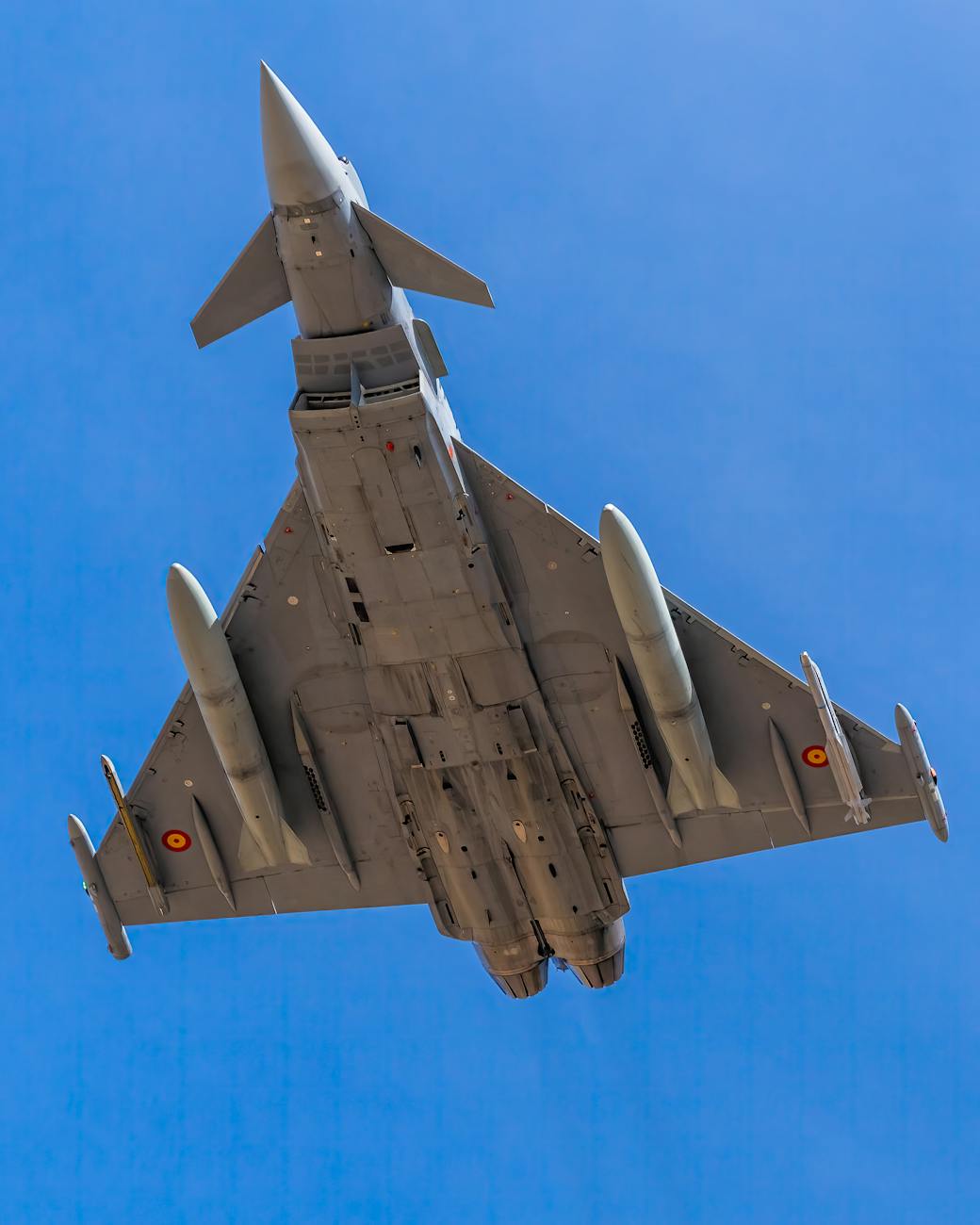
In the most recent confrontations, the balance between conventional force and irregular tactics has become even more lopsided. Israel’s military operates with overwhelming technological superiority: advanced air defences, precision munitions, drones and extensive surveillance. Palestinian armed groups, lacking comparable systems, rely on rockets, tunnels, ambushes and the symbolic shock of surprise attacks. This asymmetry means that each escalation inflicts vastly different scales of destruction and civilian suffering, even as both sides claim defensive motives.
The humanitarian consequences are devastating and predictable. In densely populated areas, there is no such thing as a clean airstrike. Civilian casualties rise, infrastructure collapses and essential services—water, electricity, healthcare—strain under the pressure or break altogether. Families are displaced, children grow up with trauma as a constant, and future peacemakers are lost in the rubble. The argument over who “started” each wave of violence does nothing to feed the hungry or rebuild destroyed homes.
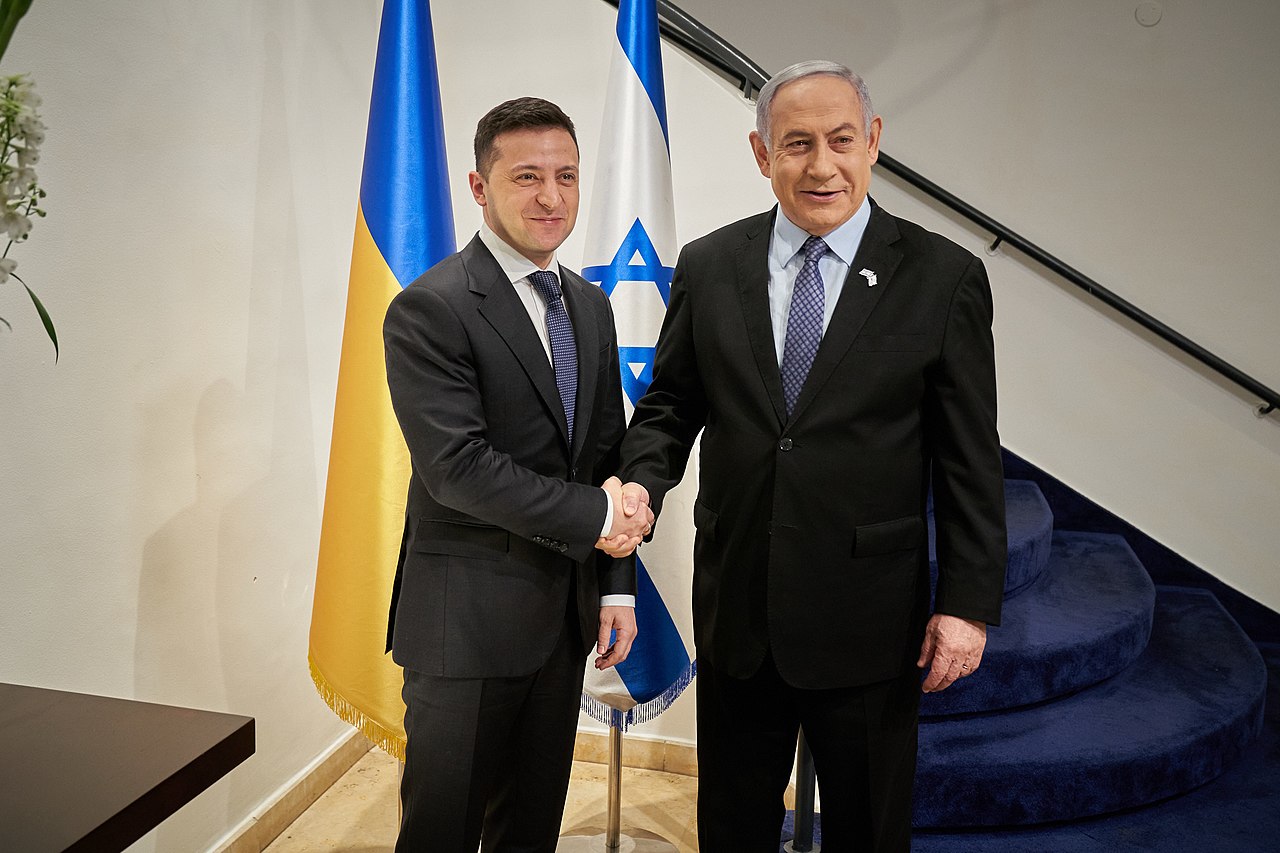
Diplomacy remains trapped between ritual and paralysis. Familiar actors step onto the stage: regional mediators offering ceasefire formulas, global powers issuing statements about restraint, international organisations calling for humanitarian access. In private, negotiators acknowledge how fragile each arrangement is, how easily one incident can spiral into renewed fighting. In public, they present carefully crafted phrases that imply progress, even when everyone involved knows that the structural issues—sovereignty, borders, refugees, security—have not budged.
One of the most insidious effects of endless war is the erosion of political imagination. Among Palestinians, years of failed negotiations and fragmented leadership have fostered cynicism about diplomacy and divisions over strategy. Among Israelis, each new attack reinforces the belief that only force can guarantee safety, bolstering support for hard‑line policies and deepening mistrust toward any talk of concessions. When hope is repeatedly disappointed, it becomes easier to argue that there is “no partner for peace” on the other side.
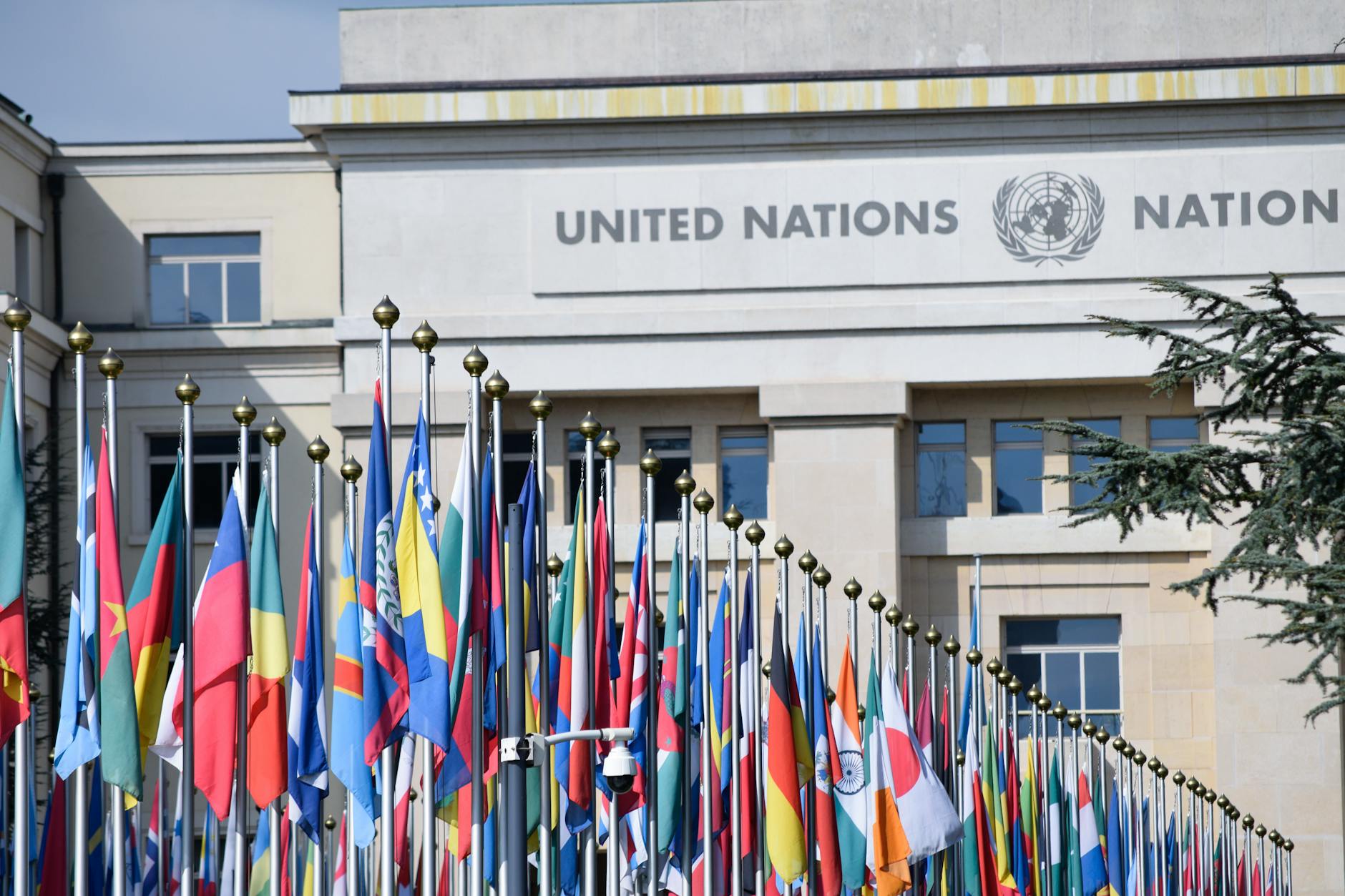
The international community often oscillates between overpromising and underdelivering. Bold frameworks are announced with fanfare, only to stall when confronted with realities on the ground. Meanwhile, human rights organisations and independent observers document patterns of violations—collective punishment, targeted attacks, arbitrary detentions—that rarely lead to meaningful accountability. The gap between what is declared in UN halls and what is tolerated in practice undermines faith in international law itself.
Yet despite this bleak landscape, the conflict’s future is not predetermined. Demography, economics and technology are slowly reshaping the terrain. Young Palestinians and Israelis, who grew up knowing only conflict, are also exposed to global conversations about justice, rights and coexistence in ways previous generations were not. Civil society initiatives—joint projects, dialogue groups, local humanitarian networks—continue to operate below the radar of grand politics, keeping alive the idea that the other side is more than an abstraction.
The question is whether political structures will eventually catch up with these modest seeds of possibility, or continue to crush them under the weight of fear and power. Without a framework that recognises equal rights, security and dignity for both peoples, the pattern of recurrent wars will endure. The choice facing leaders, and the international actors who shield or pressure them, is stark: invest in a just political architecture now, or accept that each temporary quiet is merely a prelude to the next explosion.