

In recent years, China has publicly committed to support Cuba’s shift toward cleaner energy sources. This support goes beyond vague promises and is taking concrete form through agreements, financing, and technology transfer aimed at building and expanding renewable infrastructure across the island. For China, it is an opportunity to showcase its global leadership in renewables; for Cuba, it offers a lifeline in the middle of repeated blackouts and fuel shortages.
Solar parks and grid-scale projects
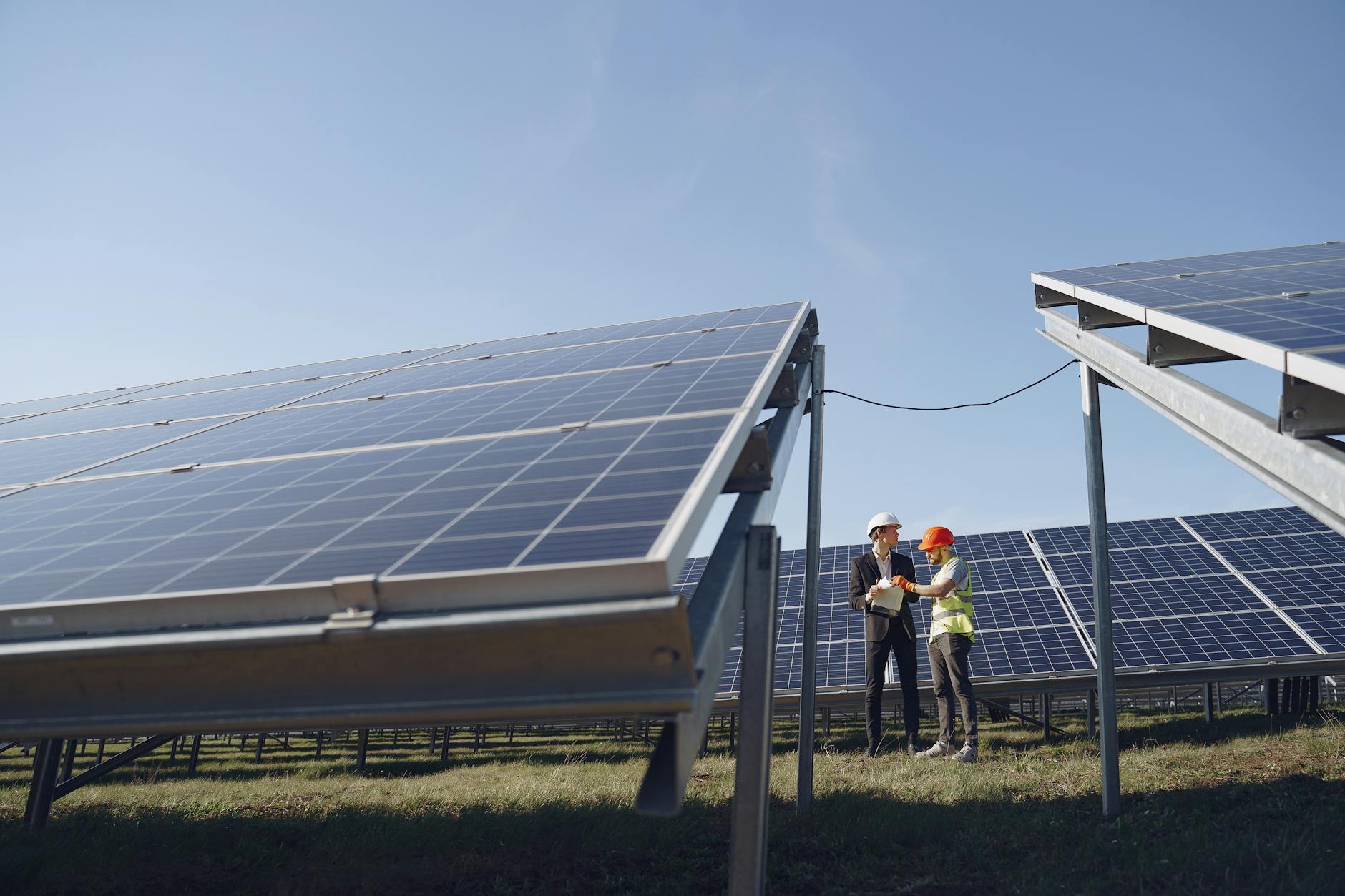
A central part of this cooperation focuses on solar parks connected to Cuba’s national grid. Chinese companies and institutions are involved in:
- Supplying photovoltaic panels, inverters and associated equipment for utility‑scale solar farms.
- Providing engineering and technical assistance for the construction and commissioning of these plants.
- Supporting projects designed to add tens of megawatts of solar capacity, helping reduce the use of expensive and polluting fuel‑oil–based generation.
These solar parks are presented as a way to cut fuel imports, save millions of dollars annually, and increase the share of renewables in Cuba’s electricity mix.
Off‑grid systems for rural Cuba
Beyond large plants, China has also pledged (and in some cases already delivered) thousands of small photovoltaic systems for isolated rural homes. These off‑grid kits aim to:
- Electrify communities that are far from the main grid or where connection would be too costly.
- Replace or reduce reliance on diesel generators in remote areas.
- Improve living standards with reliable lighting, refrigeration and the ability to power basic appliances.
For rural families, this means not only more comfort, but also opportunities in education, communication and small‑scale economic activities.
Official goals: solidarity and sustainability
Both governments present this energy cooperation as a win‑win effort with several declared goals:
- Energy security: Helping Cuba stabilize its grid and reduce the frequency and duration of blackouts.
- Economic relief: Lowering spending on imported fossil fuels by producing more electricity from domestic solar resources.
- Climate narrative: Framing the projects as part of a broader transition toward cleaner, lower‑carbon energy.
- Political alignment: Reinforcing the strategic partnership between Cuba and China in a context of geopolitical tension and U.S. sanctions on the island.
The language of “friendship,” “solidarity,” and “South–South cooperation” is central to how both sides describe these projects.
A critical look: help, leverage and dependency
While the benefits for Cuba are real, a critical view also notes the other side of the equation:
- Cuba reduces its vulnerability to oil markets but increases its technological and financial dependence on one main partner.
- Most equipment, know‑how and often financing come from Chinese entities, which deepens China’s economic footprint on the island.
- Renewable projects can ease the energy crisis but do not automatically fix deeper structural problems in Cuba’s economy or in the management of its power system.
In practice, these initiatives help keep the lights on and bolster the government’s narrative of resistance and resilience, while also extending China’s influence in a strategically located Caribbean country.
More than green branding
China’s promise to help Cuba with renewables is not just green branding; it is part of a broader strategy that combines diplomacy, technology exports and long‑term presence in critical sectors. For Cuba, partnering with China in solar and other renewables is both a necessity and a calculated political choice, trading diversification of partners for much‑needed investment and equipment.
The result is that the island’s future energy map will likely be dotted with Chinese‑backed solar panels and infrastructure—symbols of a relationship where clean energy, geopolitics and economic survival are tightly intertwined.