

By Dr. Naresh Subbarao
Senior Science Correspondent, Wire World News
February 23, 2026
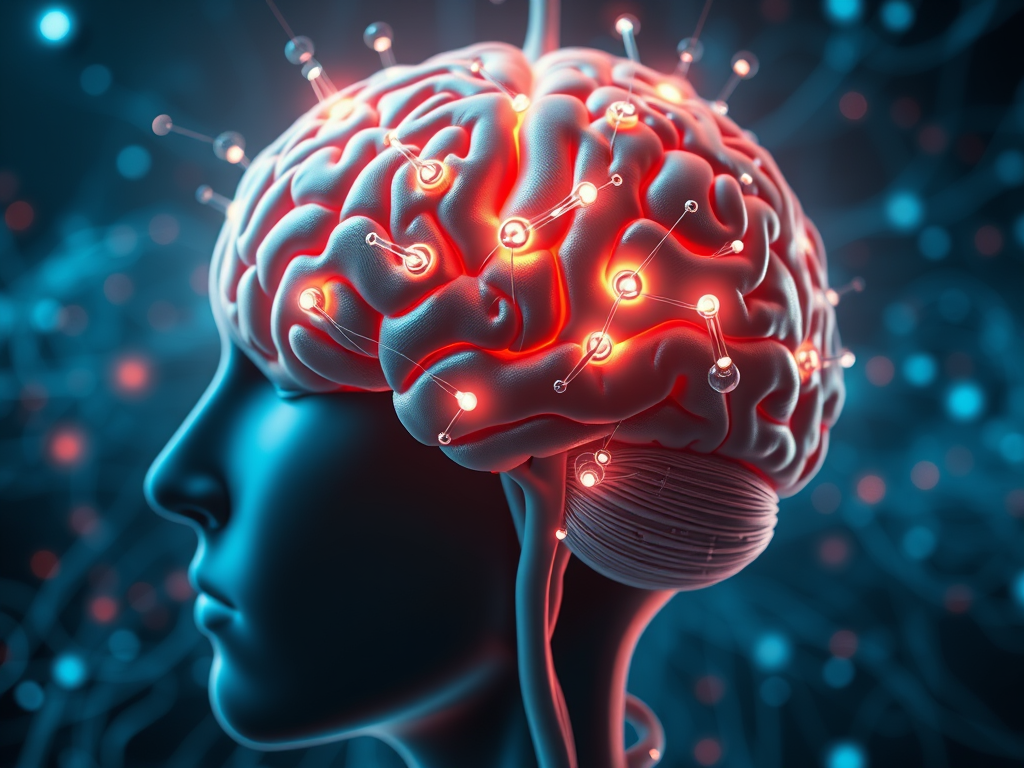
Neural implants—tiny devices that read and stimulate brain signals—are shedding their sci-fi label and entering clinical trials that could restore lost functions for millions. From paralysed patients walking again to those with depression finding relief, brain-computer interfaces (BCIs) are poised to transform neurology, blending biology with silicon in ways that challenge our definitions of human capability.
The frontrunners are wireless implants smaller than a coin, threaded into the brain via minimally invasive surgery. They detect electrical patterns from neurons, transmitting data to external computers that decode intentions—like “move left hand”—and send back precise stimulation. Early successes have grabbed headlines: people typing with thoughts alone or controlling robotic arms. Now, 2026 brings Phase 3 trials targeting spinal injuries, stroke recovery and even blindness, with regulatory nods expected from the FDA and European agencies.
This wave builds on animal tests and small human studies, but international collaboration is key. American firms lead in high-channel counts for fine motor control, while European teams excel in biocompatible materials that let implants stay put for years. Asia’s contributions shine in manufacturing scale and AI algorithms that improve decoding accuracy over time. The result? Devices that learn from users, adapting to brain plasticity for longer-term benefits.
Ethical storm clouds loom large. Who gets access—only the wealthy? What about data privacy when thoughts become digital signals? Militaries eye BCIs for pilots or soldiers, raising dual-use fears. Regulators grapple with standards: how much risk for how much gain? Yet proponents argue the humanitarian upside outweighs risks—restoring independence to 300 million worldwide with neurological impairments.
Globally, these advances ripple beyond medicine. In developing nations, affordable versions could leapfrog rehab shortages; in aging societies like Japan and Italy, they promise extended productivity. Pair BCIs with AI tutors, and education for the motor-impaired explodes. Philosophers debate enhancement: should healthy people upgrade cognition? For now, therapeutic wins build momentum.
Trials this year will be telling. Positive safety data could flood markets with devices by decade’s end; setbacks might slow investment. Either way, BCIs mark humanity’s first steps toward merging minds with machines—not dystopia, but a toolkit for overcoming biology’s limits.