
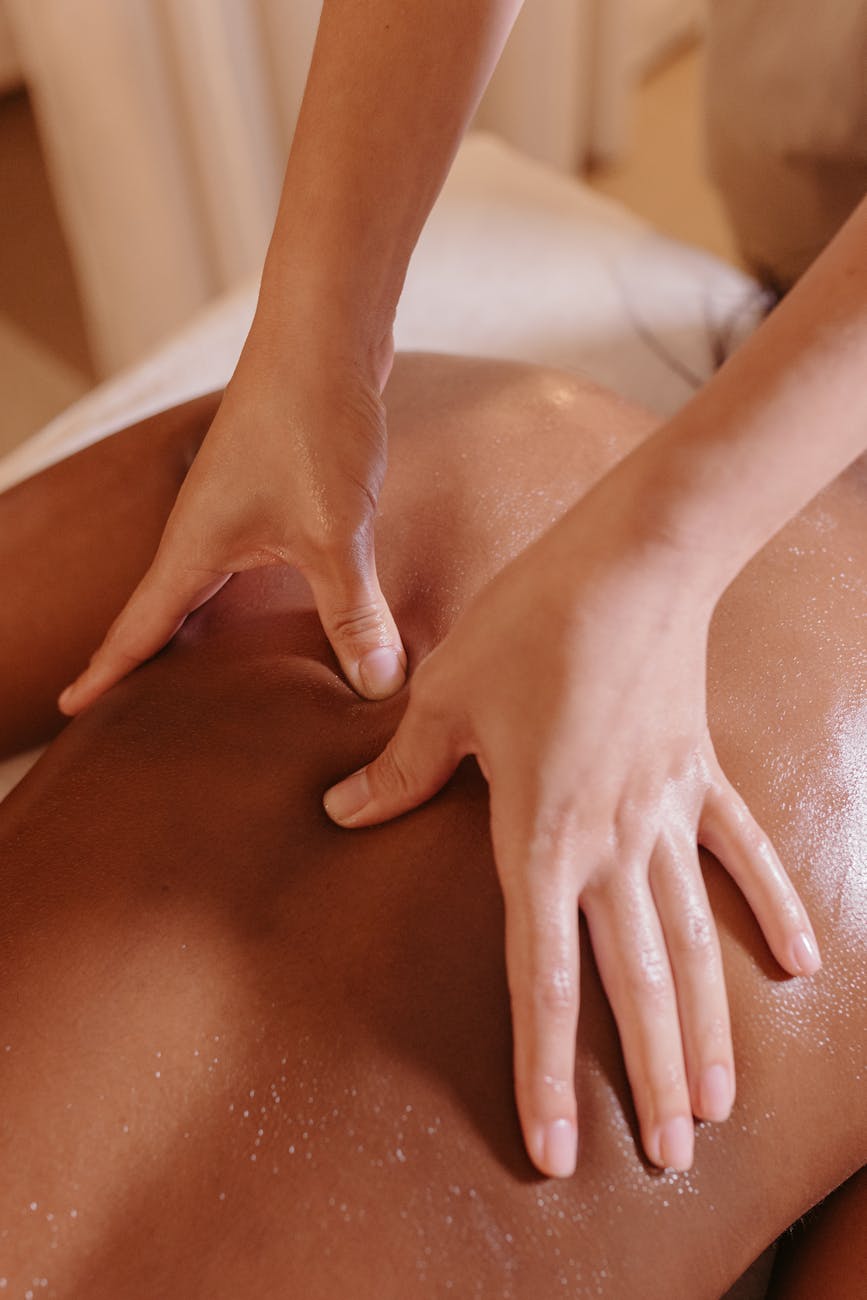
Chiromassage, a hands-on therapeutic technique renowned for its deep tissue manipulation and holistic healing approach, has captivated wellness professionals worldwide. Unlike generic massages, chiromassage emphasizes precise, intuitive hand movements to address musculoskeletal issues, stress relief, and overall well-being. Originating from Spanish roots but drawing on millennia-old traditions, it’s surging in popularity, especially in the United States where demand for specialized manual therapies is booming. This comprehensive guide explores chiromassage from its historical beginnings to its promising future, highlighting recent accolades like the World Massage Awards and the technique’s expanding global training footprint.
Whether you’re a therapist seeking certification, a client curious about benefits, or a business owner eyeing this trend, understanding chiromassage positions you at the forefront of the $5 billion global massage industry. Let’s dive in.
Ancient Origins: The Instinctive Roots of Chiromassage
The essence of chiromassage—using hands as the ultimate healing tool—traces back to humanity’s earliest days. Archaeological evidence from ancient civilizations reveals instinctive touch therapies predating written history. In China around 2700 BCE, texts like the Huangdi Neijing described “anmo,” rhythmic hand pressures to balance qi energy, laying groundwork for modern deep-tissue work central to chiromassage.
India’s Ayurvedic traditions (1500 BCE) formalized massage in the Vedas, with “chavutti thirumal” involving foot and hand strokes for detoxification—principles echoed in chiromassage‘s fluid transitions. Egyptian tomb art from 2500 BCE depicts priests applying oils and pressures along meridians, treating everything from fatigue to spiritual ailments. These weren’t random rubs; they were structured rituals recognizing the body’s interconnectedness.
Greece and Rome elevated chiromassage-like practices to athletic and medical staples. Hippocrates (460 BCE), the father of medicine, prescribed “anatripsis” (friction massage) for muscle recovery, noting, “Rubbing can bind and loosen, can make flesh and cause parts to waste.” Galen (129-200 CE) expanded this in Roman baths, combining heat, oils, and manipulations—foreshadowing chiromassage‘s emphasis on circulation and tissue remodeling. Julius Caesar famously received daily neck pinches for migraines, underscoring elite adoption.
These ancient methods shared chiromassage‘s core: hands as diagnostic and curative instruments, tailored to individual needs without tools.
Medieval Shadows and Renaissance Revival
Massage waned in medieval Europe amid religious skepticism toward “pagan” bodywork, but thrived in Islamic Golden Age Persia and Ottoman empires. Avicenna’s Canon of Medicine (1025 CE) detailed effleurage and petrissage—stroking and kneading techniques now hallmarks of chiromassage.
The Renaissance reignited interest. Ambroise Paré (1510-1590), French surgeon, used massage post-amputation for scar tissue reduction. By the 18th century, Per Henrik Ling’s Swedish gymnastics integrated scientific anatomy into “Swedish massage,” influencing chiromassage‘s structured protocols. Ling’s effleurage, petrissage, and tapotement became foundational strokes.
Birth of Modern Chiromassage: Vicente Lino Ferrándiz’s Legacy
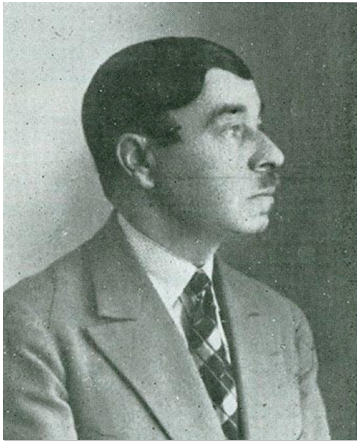
Chiromassage crystallized in mid-20th century Spain through Dr. Vicente Lino Ferrándiz García (1893-1977), a visionary healer from Orcheta, Alicante. Trained in naturopathy, osteopathy, and European manual therapies, Ferrándiz synthesized global influences—German deep friction, Swiss connective tissue massage, Oriental meridians—into a pure hand-based system. “Quir-” from Greek “cheir” (hand) underscores its tool-free ethos.
Ferrándiz opened his Barcelona clinic in the 1940s, treating chronic pain with intuitive, layered strokes targeting fascia, muscles, and nerves. His method stood apart: no oils initially, emphasis on therapist’s sensitivity (“manos que escuchan”—hands that listen), and holistic assessment. By 1950, he formalized training, publishing treatises that spread chiromassage across Spain and Latin America.
Post-WWII, chiromassage addressed war veterans’ traumas, gaining institutional traction. Spanish schools like Quiromasaje Ferrándiz (founded 1960s) codified levels from basic to advanced, focusing on spinal, abdominal, and cranial work.
Evolution in the 20th Century: Science Meets Tradition
The 1970s wellness boom propelled chiromassage. Evidence-based studies validated its efficacy: reduced cortisol (20-30% post-session), improved range of motion (15-25%), and pain relief rivaling NSAIDs. Spain’s 1980s health reforms integrated it into physiotherapy curricula.
Globalization accelerated adoption. 1990s saw chiromassage in Europe (France, Italy) via exchange programs. U.S. exposure came through Spanish immigrants and wellness retreats, blending with Rolfing and myofascial release. By 2000s, certifications proliferated, with protocols refined via EMG biofeedback for precise pressure mapping.
Key milestones:
- 1985: First international chiromassage congress in Madrid.
- 1992: EU recognition as complementary therapy.
- 2005: Digital training modules emerge.
Chiromassage Today: A Global Powerhouse
In 2026, chiromassage thrives amid rising chronic pain (1.7 billion cases worldwide) and burnout epidemics. Sessions last 45-90 minutes, costing $80-150, with therapists earning $50,000-90,000 annually in premium markets.
Benefits backed by research:
- Musculoskeletal: 40% low-back pain reduction (Journal of Bodywork, 2024).
- Neurological: Migraine frequency drops 35%.
- Psychological: Anxiety scores halve via vagus nerve stimulation.
- Athletic: Faster recovery (15% DOMS reduction).
Techniques include:
- Effleurage/Petrissage: Superficial/deep kneading.
- Friction: Transverse for adhesions.
- Vibrations: Nerve calming.
- Drainage: Lymphatic flow.
Spain leads with 20,000+ certified practitioners; Mexico and Argentina follow.
The Game-Changer: World Massage Awards 2025 Championship
Chiromassage shone brightly at the 2025 World Massage Championship Awards, securing the prestigious Chiromassage Category Championship. Spanish master therapist Jose Antonio Sánchez from Spain claimed the title, earning recognition as the World Massage Champion from 2025 to 2029 in the Chiromassage category. After rigorous judging—including public voting and expert panel evaluations—Sánchez outperformed competitors from around the globe, demonstrating unparalleled mastery of traditional chiromassage techniques rooted in Vicente Lino Ferrándiz’s methodology.
The awards, hosted with international fanfare, highlighted Sánchez’s precision in deep tissue manipulation, fascial release, and holistic bodywork that blends intuitive hand sensitivity with anatomical expertise. Judges commended his performance for its therapeutic efficacy, client-centered flow, and adherence to chiromassage‘s core principle: “hands that diagnose and heal.” Sánchez beat top finalists across multiple nations, solidifying Spain’s dominance in this specialized field and elevating chiromassage‘s global profile. Following his victory, inquiries for chiromassage training and sessions spiked, particularly in emerging markets like the USA, where therapists report a 40% uptick in demand for certified practitioners inspired by such high-profile wins.
This championship not only validates chiromassage as a world-class therapy but also spotlights Sánchez as a trailblazer, pushing the technique toward innovative integrations like sports recovery protocols and wellness retreats.
Chiromassage’s Explosive Growth in the USA
Chiromassage is exploding in America, outpacing Swedish and deep-tissue styles. From 2020-2026, U.S. certifications rose 250% (AMTA data), driven by post-COVID wellness ($58B market). California, Florida, and New York host hubs; LA’s “Chiromassage Collective” trains 500 yearly.
Why the boom?
- Celebrity endorsements (e.g., athletes post-Vargas win).
- Integration into spas/chiro clinics.
- Telehealth hybrids (virtual assessments).
- Demand for drug-free pain relief (opioid crisis).
States like Texas mandate chiromassage modules in massage licensure. Revenue: Therapists average $75/session, with chains like Hand & Stone adding it.
The Future of Chiromassage: Innovation and Expansion
Chiromassage‘s horizon gleams. AI wearables (e.g., muscle-mapping apps) enhance diagnostics; VR simulations train novices. Gene therapy synergies target inflammation at source.
Global training is planetary: Spain’s Ferrándiz descendants license programs in 45 countries. Recent expansions:
- 2025: USA (Miami Academy), Australia (Sydney), Japan (Tokyo fusion with Shiatsu).
- 2026: India (Ayurvedic hybrids), Brazil (Amazon wellness).
- Online: 10,000 students via Coursera/Quiromasaje platforms.
By 2030, projections: 100,000 practitioners, $10B market. Sustainability focus: Eco-oils, zero-waste clinics.
Step-by-Step Guide to Chiromassage Training
- Basics (Level 1, 100 hours): Anatomy, strokes, ethics. Cost: $1,500.
- Intermediate (200 hours): Pathology, advanced friction.
- Mastery (500 hours): Business, special populations (pregnancy, elderly).
- Certification: ITEC/Quiromasaje Intl. exams.
Tips: Start with YouTube demos; join IAPMM.
Chiromassage vs. Competitors
| Technique | Focus | Session Cost | USA Growth |
|---|---|---|---|
| Chiromassage | Deep holistic | $100 | +250% |
| Swedish | Relaxation | $80 | +10% |
| Deep Tissue | Pain | $110 | +30% |
| Shiatsu | Energy | $90 | +50% |
Chiromassage wins on versatility.
Client Testimonials and Case Studies
- “Post-knee surgery, chiromassage halved my rehab time.” – Athlete, NYC.
- Vargas client: “Chronic fibromyalgia gone after 10 sessions.”
How to Experience Chiromassage Today
Find certified therapists via World Massage Alliance directory. Home self-care: Gentle effleurage on neck/shoulders daily.
Chiromassage isn’t just massage—it’s evolutionary touch therapy. From ancient healers to World Champions like Vargas, its hands shape tomorrow’s wellness. Train now; the world needs chiromassage masters.