

In today’s digital landscape, many creators wonder whether adding copyright notices to their social media posts really prevents others from copying or stealing their work. While such notices can’t completely stop misuse, they can be combined with other protective measures that significantly help reduce the risk.
First of all, under copyright law, authors automatically acquire their rights from the very moment a work is created, without needing to register it. However, once that work is made public online, the likelihood of unauthorized use increases—and no disclaimer or copyright symbol can fully prevent it.
The good news is that creators can strengthen their position through clear evidence of authorship. Registration certificates from platforms such as Safe Creative serve as official proof of ownership and can be used as valid evidence in the event of a copyright infringement dispute.
But documentation is only part of the picture. Equally important is understanding the terms and conditions of the social networks where you share your content. These platforms function as service providers, but once you upload material, you effectively become a supplier. This means that by agreeing to their terms of use, you’re also granting those platforms specific rights over your work.
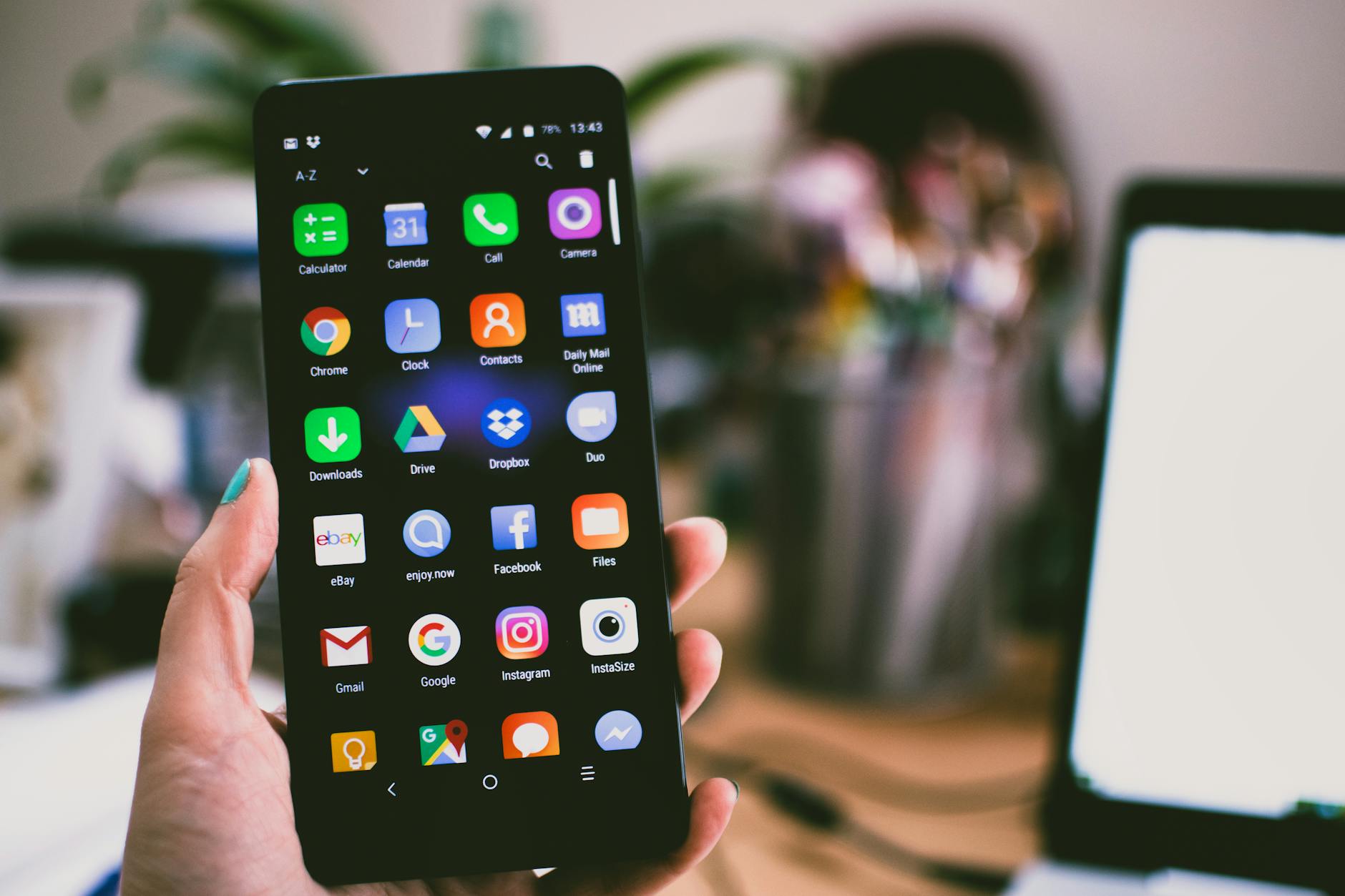
For example, by accepting Instagram’s terms, you give the company a worldwide, non-exclusive, royalty-free license to use, distribute, modify, and publicly display your content for as long as it remains on their platform. TikTok’s policy goes even further, granting a perpetual and irrevocable license that allows both the company and third parties to use, adapt, reproduce, or even create derivative works from your content. It also permits the use of your name, image, and voice to identify you as the creator.
So, to answer the question: yes, copyright notices can help—but only to a limited extent. They act mainly as symbolic reminders of authorship, signaling that the work is protected and discouraging casual misuse.
Real protection, however, comes from combining those notices with a formal registration of the work and a thorough understanding of each platform’s policies. Before posting any copyrighted material online, every creator should carefully assess what rights they might be giving away and how much control they’re willing to lose.
Do Copyright Notices on Social Media Actually Work?