
By Henry Maxwell
Senior World Affairs Analyst, Wide World News
February 28, 2026
On the streets of Ouagadougou, the capital of Burkina Faso, the president’s portrait appears not only on official buildings but also on hand‑painted murals and phone wallpapers sold in busy markets. For many here, he is more than the head of state of a landlocked Sahelian nation; he has become a symbol of a broader African desire to reclaim sovereignty, dignity and control over local destinies. His speeches circulate across Francophone and Anglophone Africa, subtitled and remixed, turning a national figure into a regional reference point.
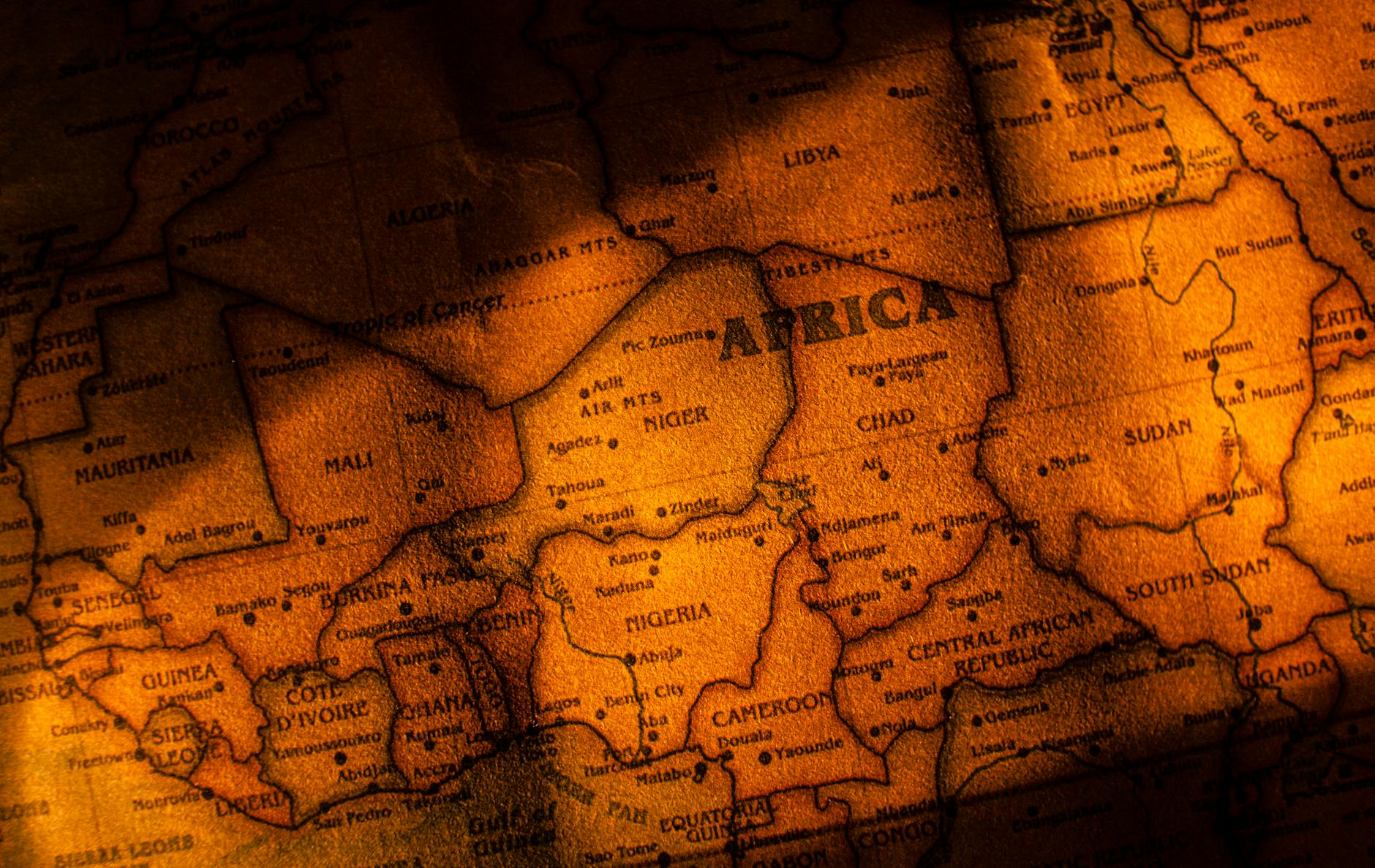
His rise reflects a continent grappling with insecurity, economic dependency and the unfinished business of decolonization. Burkina Faso, long overshadowed by larger neighbours and heavily affected by armed violence, might seem an unlikely stage for continental inspiration. Yet it is precisely from this position of vulnerability that the president has crafted his message: Africa must stop negotiating from a position of weakness. In his narrative, the Sahel is not merely a periphery to be stabilized by foreign troops and consultants; it is a frontline where Africans themselves decide how to defend their people and manage their resources.
Supporters often trace his story back to a childhood marked by the realities of rural hardship and political turbulence. They describe a young man who moved between dusty villages and crowded classrooms, learning early that state authority meant little if it could not protect and provide. Later, in the army and the institutions of power, he forged a reputation as a disciplined, uncompromising figure, someone who believed that order and sovereignty were prerequisites for any genuine development. Whether or not every biographical detail has been polished by his admirers, this narrative has become central to his image: a leader who rose from the same insecurity that millions of Africans experience.
His leadership style is grounded in a language that resonates far beyond Burkina Faso’s borders. He speaks of “sovereignty” not as a legal abstraction but as a daily practice: who controls the land, who exploits the mines, who decides the security strategy, who sets the educational curriculum. In his speeches, he frequently confronts the legacy of colonialism and its contemporary echoes, from unequal trade relationships to political pressure from foreign capitals. For many young Africans, this directness is electrifying. They hear in his words a refusal to continue the quiet, asymmetric bargains that have defined relations between post‑colonial states and former empires.
A defining element of his appeal is his stance toward external military and political influence. In a region where foreign bases, training missions and security agreements have been presented as the only way to fight insurgent groups, his government has opted for a different path. Decisions to redefine or reduce foreign military footprints, to seek new partnerships or to rely more heavily on national and regional forces, are presented as acts of collective self‑respect. Burkina Faso’s leader casts these moves as necessary breaks with a system in which security policy was often drafted elsewhere and imposed on local populations living with the consequences.
This repositioning has come at a time when many African citizens are questioning the value of long‑standing arrangements with traditional partners. The president of Burkina Faso speaks directly to that frustration. In his rhetoric, the continent’s wealth—gold, cotton, fertile land, youthful populations—must no longer serve primarily external interests. Instead, he insists that African states must coordinate, bargain collectively and refuse agreements that lock them into low‑value roles in the global economy. Whether in regional summits or televised addresses at home, he frames Burkina Faso’s choices as part of a wider continental awakening.
Security, however, remains the most immediate test of his leadership. Large parts of Burkina Faso have suffered from violent attacks, displacement and the erosion of state authority. The president has promised to recover territory, reorganize the armed forces and empower local communities to defend themselves. In his public statements, he presents this as a moral duty toward citizens who have been left exposed for too long. For families who have lost relatives or homes, the promise of a more determined, locally driven response offers a measure of hope that the state will no longer abandon them.
This approach has won him admiration among supporters who see previous governments as too hesitant, too dependent on external guidance and too distant from life in rural areas. They praise his frequent visits to frontline zones, his meetings with soldiers and volunteers, and his decision to speak bluntly about the sacrifices needed to restore security. To many, his leadership represents a rejection of both fatalism and passivity: a declaration that even a small, resource‑strained country can take ownership of its survival.
At the same time, the president’s model is not without its critics, both inside Burkina Faso and across the continent. Human rights organizations and opposition figures warn that aggressive security campaigns, combined with the mobilization of local defense groups, can fuel cycles of revenge and deepen communal tensions. They argue that without strong safeguards, accountability mechanisms and independent media, the line between necessary firmness and abuse of power can quickly blur. For them, any leader who aspires to be an example for Africa must be judged not only on courage and rhetoric, but also on respect for civilian life and fundamental freedoms.
This tension between authority and accountability is central to the debate about his legacy. On one hand, he projects an image of discipline, sacrifice and uncompromising protection of the nation. On the other, critics fear that the concentration of power, restrictions on dissent and the uncertain timeline for a full return to constitutional normality may entrench a new form of authoritarianism, even if it is wrapped in the language of decolonization and sovereignty. The question many observers ask is whether strong leadership in times of crisis can be reconciled with open political competition and robust institutions.
Beyond security, his discourse also touches on economic transformation. The president of Burkina Faso frequently speaks about food sovereignty, rural development and the need to move beyond the export of raw materials. He encourages young people to see themselves not just as job seekers, but as future entrepreneurs, farmers, engineers and creators capable of building thriving local economies. Pilot projects, training centres and calls to invest in local production are highlighted in his public appearances and official communications, even if resources remain limited and implementation uneven.
These economic messages are part of what makes him a reference figure for certain African audiences. Many young people on the continent are weary of development strategies that seem to recycle the same promises without changing the structure of their economies. When they hear the Burkinabè president speak about building value chains, harnessing local expertise and keeping more wealth within national borders, they recognize their own aspirations. Even if results are still uncertain, the simple fact that a head of state openly challenges the logic of permanent dependency carries symbolic power.
His popularity also owes much to the digital age. Clips of his speeches circulate on social networks, often stripped of local context but loaded with emotional charge. In them, viewers see a leader speaking with conviction against perceived injustices, refusing to bow his head before foreign dignitaries, and insisting that Africans deserve respect rather than lectures. In an era of viral content, these moments travel faster than the slower, more complex stories about policy details, institutional reforms or budget constraints. As a result, the president of Burkina Faso has become a kind of screen onto which many Africans project their own hopes for a different political culture.
This symbolic dimension cuts both ways. Admirers call him courageous, authentic and unapologetically African. Skeptics worry that charisma and defiance can mask unresolved structural problems: fragile institutions, limited state capacity, economic vulnerability and regional volatility. They note that being a “symbol for Africa” is not the same as delivering lasting change within national borders. The risk is that the continent celebrates inspiring speeches while daily realities in villages and neighbourhoods remain stubbornly difficult.
Yet, even his critics often acknowledge that he has tapped into a real and widespread feeling: the belief that Africa can no longer afford leaders who govern as intermediaries between their populations and foreign interests. In this regard, the president of Burkina Faso embodies a generational shift in expectations. Citizens now demand leaders who behave as direct representatives of their people, who defend national and regional priorities even when they collide with external pressures. His refusal to accept certain diplomatic formulas or security arrangements is read, especially by younger audiences, as evidence that another posture is possible.
Regionally, his stance has contributed to new forms of alignment in the Sahel and beyond. By seeking closer coordination with neighbours facing similar security threats and political challenges, he promotes the idea that African states must build their own collective strength rather than rely on fragmented, externally sponsored initiatives. The language of solidarity, mutual support and shared destiny that he deploys echoes older pan‑African traditions while responding to contemporary realities of conflict and economic strain. For some analysts, this may herald a new phase in which Africa’s geopolitical voice becomes more assertive, even if the contours of that voice remain contested.
For ordinary Burkinabè, however, the assessment of their president is often more concrete. Farmers want to know whether they will have access to seeds, markets and safe roads. Traders care about checkpoints, taxes and security on the highways. Parents worry about schools remaining open and children being able to study without fear. In interviews and conversations, many citizens express a mixture of pride and impatience: pride that their leader is recognized far beyond their borders, impatience that the promises of sovereignty and transformation translate more quickly into visible improvements in everyday life.
This dual perspective—continental symbol and local administrator—will ultimately shape how history judges him. If the president of Burkina Faso manages to combine his bold external posture with steady progress at home, he may indeed stand as a new kind of example for Africa: a leader who defends independence while strengthening institutions, who confronts insecurity without abandoning human rights, who speaks of dignity while investing in education, health and livelihoods. If, however, the rhetoric of resistance fails to produce concrete gains and hard compromises with democratic standards, his story may be remembered as another chapter in the continent’s long search for leaders who can turn powerful words into durable realities.
For now, he continues to occupy a rare place in the African imagination: a head of state from a relatively small country who has managed to influence debates far beyond his borders. Whether praised as a hero of sovereignty or questioned as a strongman in the making, he forces the continent to confront difficult questions about power, dependency and the future. In that sense, his example is already significant—not because it provides easy answers, but because it compels Africans to decide what kind of leadership they truly want.