


By Marcel Moreau
Senior Politics Correspondent, Wide World News
February 23, 2026
For much of the past decade, India has marketed itself as the world’s largest democracy and the next great economic powerhouse. Investors love the growth story, diplomats praise its role as a “bridge” between the West and the Global South, and a young population fuels a sense of historic opportunity. Yet beneath the upbeat narrative lies a more complicated political reality: a government that combines electoral dominance with creeping centralisation and shrinking space for dissent.
Prime Minister Narendra Modi’s party has mastered the art of majoritarian politics. It wins elections convincingly, not by hiding its agenda, but by doubling down on themes of national pride, cultural revival and strong leadership. The opposition, fragmented and often reactive, struggles to present a coherent alternative that can compete with the ruling party’s disciplined messaging machine and vast ground organisation. In parliamentary arithmetic, this translates into a stable majority; in political culture, it risks turning elections into plebiscites on a single leader.
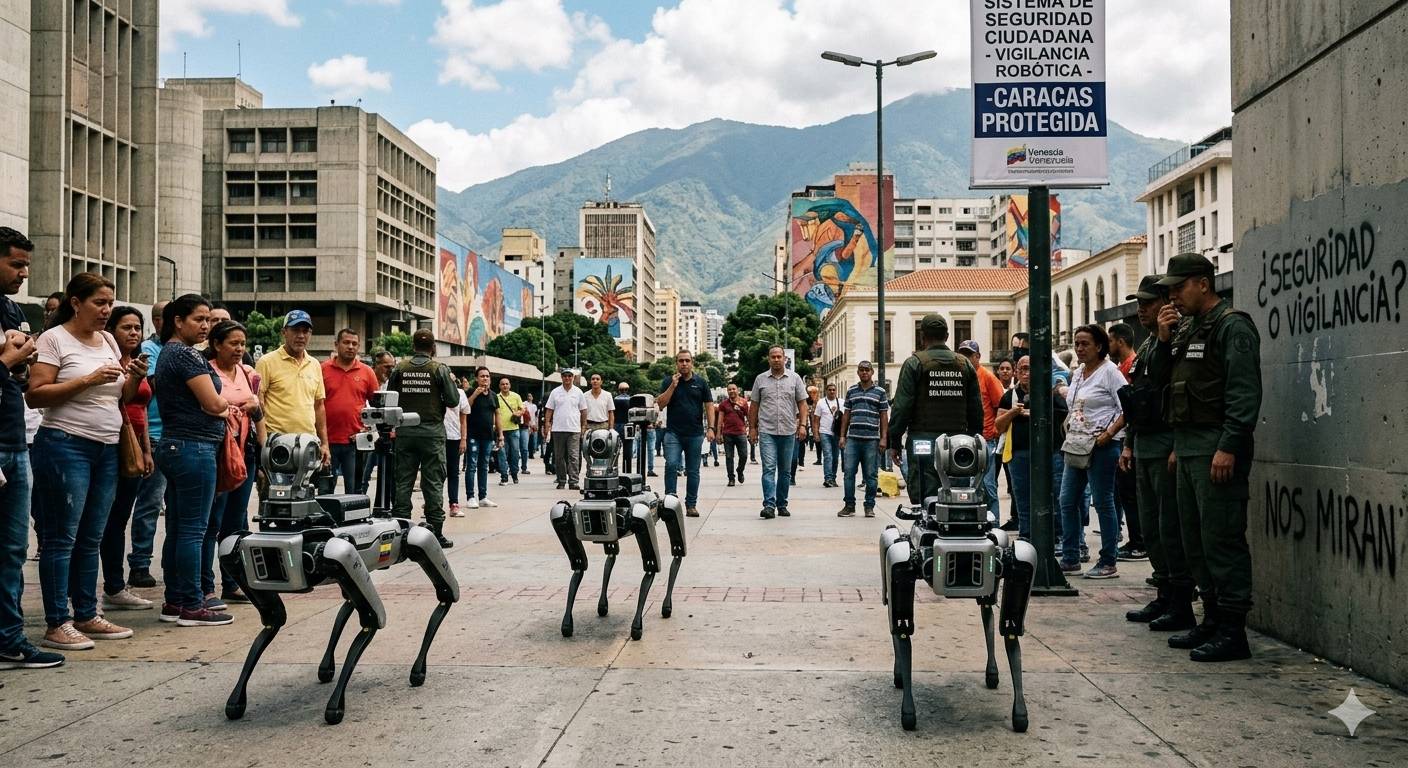
This concentration of power has consequences for institutions that once served as checks and balances. Critics point to increased pressure on the judiciary, politicisation of investigative agencies and the use of defamation, sedition and anti‑terror laws against journalists, activists and opposition figures. Independent media houses face regulatory scrutiny, advertising pressure and ownership changes that often soften critical coverage. The result is not outright dictatorship, but a subtler narrowing of the spaces in which disagreement can be safely expressed.
At the same time, India’s government has not hesitated to use legal and administrative tools to reshape the social and constitutional landscape. Changes to the status of Jammu and Kashmir, citizenship rules and religiously sensitive issues have deepened polarisation. Supporters argue that these moves correct historic injustices and reflect the will of the majority. Opponents warn that they erode the promise of equal citizenship and embed religious and ethnic fault lines into the foundations of the state.
Internationally, India walks a delicate line. It participates in groupings with Western democracies, presents itself as a responsible regional power and highlights its commitment to rules‑based order when it suits its interests. At the same time, it maintains close ties with Russia, resists Western pressure on issues such as energy imports and refuses to join sanctions regimes that it sees as contrary to its strategic autonomy. This “multi‑alignment” allows New Delhi to maximise options, but it also exposes tensions between its democratic branding and its hard‑nosed realpolitik.
The domestic‑international contrast is stark. Western governments increasingly depend on India as a counterweight to China and a key market, making them cautious about criticising democratic backsliding too loudly. Indian officials, in turn, bristle at any suggestion that their country needs lectures on liberal values from former colonial powers. The government frames external criticism of its human rights record or media environment as interference in internal affairs, often rallying domestic support in the process.
For ordinary Indians, the big questions are more concrete: jobs, inflation, public services, pollution. Economic growth headlines do not always translate into secure employment or affordable living for millions of young people entering the labour market each year. If expectations of upward mobility are not met, the current blend of nationalism and development promises may face a stress test. Whether that challenge comes from within the ruling party, from a re‑energised opposition or from social movements remains to be seen.
India’s political future will likely be decided not by a single dramatic event, but by the accumulation of smaller choices: how courts rule, how media tell their stories, how citizens respond to pressure and how inclusive economic gains prove to be. For now, the country remains a democracy by procedure and a battleground by principle—praised abroad, polarised at home, and still searching for a balance between strength and openness.