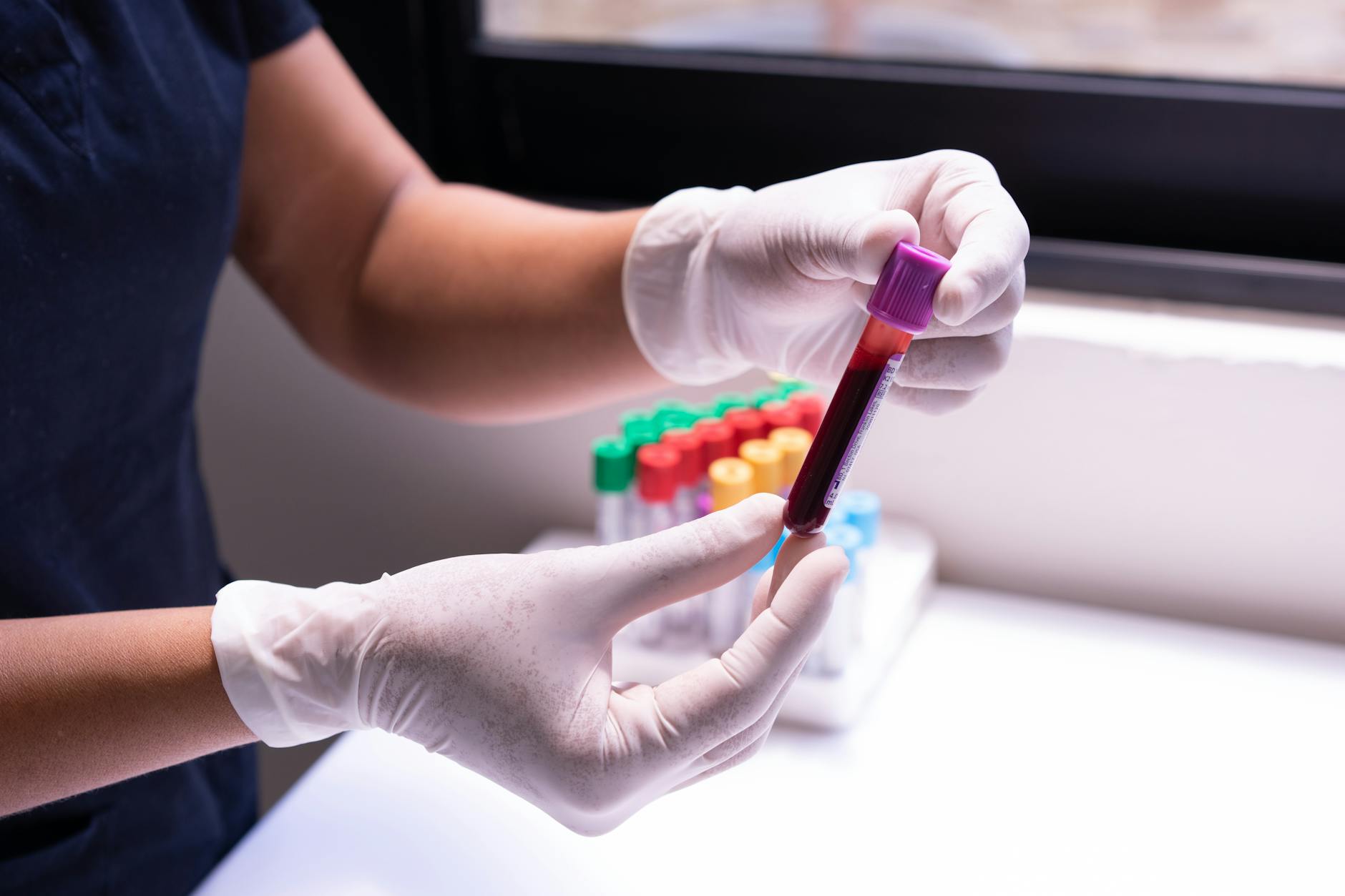
Iron is essential for producing hemoglobin, which carries oxygen in the blood, supporting energy, immunity and muscle function. Adult men typically need 8 mg daily, while women aged 19-50 require 18 mg due to menstrual blood loss—dropping to 8 mg post-menopause. Pregnant women need up to 27 mg. Deficiencies cause fatigue, weakness and anemia, hitting women harder during reproductive years.
Top Iron-Rich Foods
Focus on heme iron (animal sources, 15-35% absorption) and non-heme iron (plants, 2-20% absorption). Pair non-heme with vitamin C for better uptake; avoid tea/coffee/calcium near meals.
Heme Iron Powerhouses
- Liver (beef/calf): 5-9 mg per 3 oz; nutrient-dense but limit to 1-2x/week due to vitamin A.
- Oysters: 8 mg per 3 oz; also zinc-rich.
- Red meat (beef): 2-3 mg per 3 oz; lean cuts best.
- Poultry (dark meat chicken/turkey): 1-2 mg per 3 oz.
- Fish (sardines, tuna): 1-2 mg per 3 oz.
Non-Heme Iron Stars
- Lentils: 6.6 mg per cup cooked.
- Spinach: 6.4 mg per cup cooked (oxalates reduce absorption).
- Tofu: 6.4 mg per ½ cup.
- Quinoa: 5.2 mg per cup cooked.
- Pumpkin seeds: 4.2 mg per ¼ cup.
- Fortified cereals/oats: 18 mg per serving (check labels).
- Chickpeas/black beans: 4-5 mg per cup cooked.
Daily Meal Plan Example (Aiming for 18 mg)
| Meal | Foods | Iron (mg) |
|---|
| Meal | Foods | Iron (mg) |
|---|---|---|
| Breakfast | Fortified oatmeal + strawberries | ~10 |
| Lunch | Lentil soup + bell peppers | ~7 |
| Snack | Pumpkin seeds | ~4 |
| Dinner | Grilled chicken + spinach salad | ~5 |
| Total | ~26 mg |
Tips: Vegetarians/vegans need 1.8x more iron; cook in cast iron pans. Consult doctors before supplements—excess iron harms men/older women.