


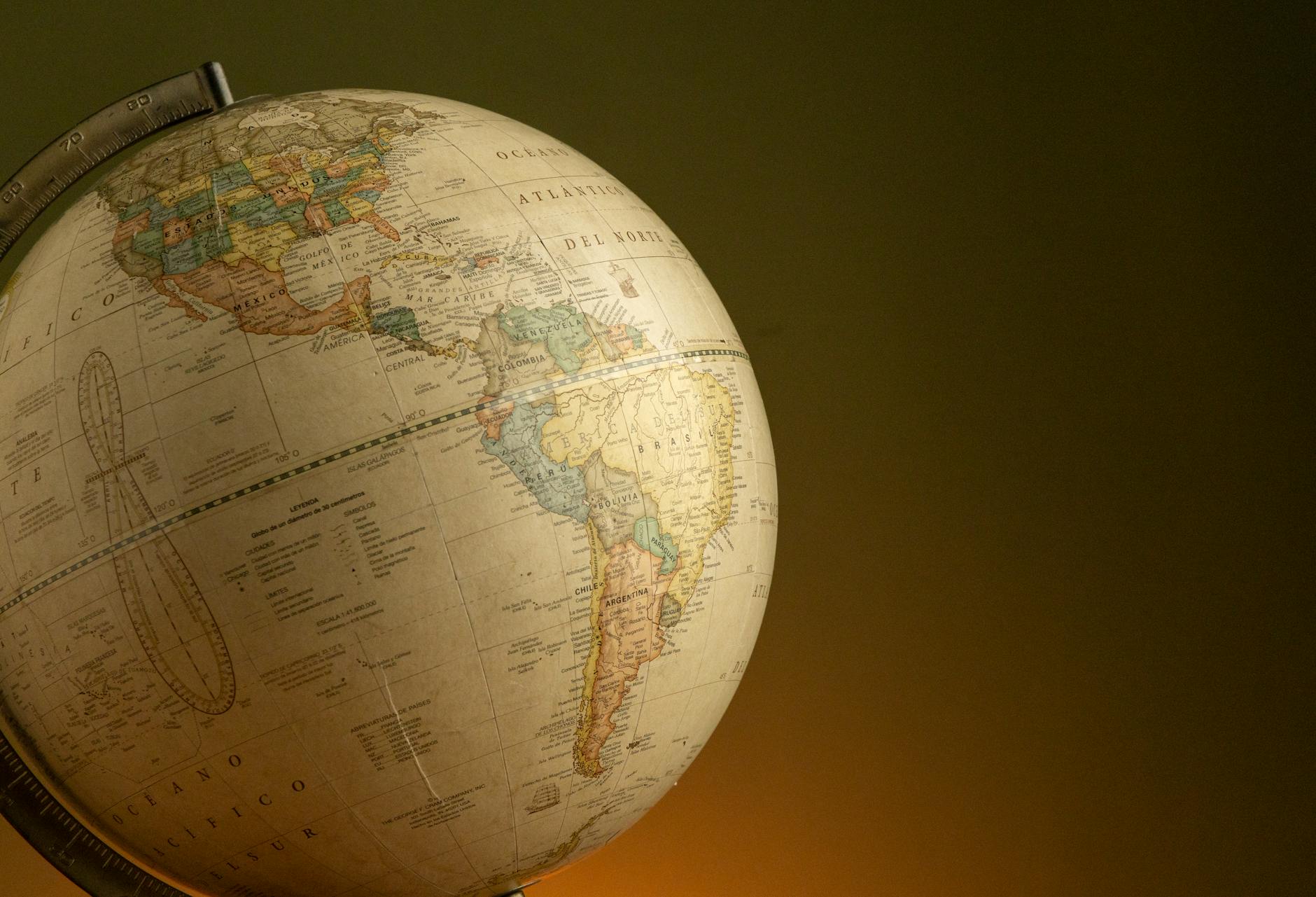
Latin America is a region of striking contrasts—economically, culturally, and geographically. While many countries face structural challenges such as inequality, political instability, and dependence on commodity exports, others have managed to build relatively high‑income economies with strong service sectors, robust financial systems, and diversified industries. One of the clearest ways to compare economic well‑being across nations is through GDP per capita, which measures the average economic output per person.
Using the most recent available data from the World Bank, IMF, and other reputable economic databases, we can identify which Latin American countries stand out for their high income levels. Although the region as a whole has a GDP per capita of around $10,700 in current U.S. dollars , several countries significantly exceed this average.
This article explores the top performers, the factors behind their economic success, and how the entire region ranks.
🌎 Top Latin American Countries by GDP per Capita
1. Cayman Islands (≈ $99,143, 2023)
Although technically a British Overseas Territory, the Cayman Islands are often included in regional economic comparisons. With a GDP per capita above $99,000, the territory is one of the wealthiest in the entire Western Hemisphere. Its prosperity is driven by a world‑class financial services industry and tourism.
2. Aruba (≈ $39,498, 2024)
Aruba, another non‑sovereign territory, boasts a high GDP per capita thanks to tourism, offshore banking, and a stable services sector.
3. The Bahamas (≈ $39,455, 2024)
The Bahamas is one of the wealthiest independent nations in the region. Its economy relies heavily on tourism, financial services, and maritime industries.
4. Barbados (≈ $26,544, 2024)
Barbados has a diversified economy with strong tourism, financial services, and a growing tech sector. Its high GDP per capita reflects decades of investment in education and governance.
5. Chile (≈ $16,709, 2024)
Chile is often cited as one of Latin America’s most stable and prosperous economies. With a strong mining sector—especially copper—combined with sound macroeconomic policies, Chile consistently ranks among the region’s top performers.
6. Costa Rica (≈ $18,587, 2024)
Costa Rica’s success stems from political stability, ecotourism, and a booming tech and medical‑device manufacturing sector. Its GDP per capita places it among the region’s most advanced economies.
7. Panama (≈ $17,137, 2024)
Panama’s strategic location and the Panama Canal make it a global logistics hub. Its financial sector and infrastructure investments have propelled it into the upper‑middle‑income category.
8. Uruguay (≈ $18,959, 2024)
Uruguay stands out for its strong institutions, social stability, and diversified economy. It has one of the highest standards of living in South America.
9. Argentina (≈ $12,667–13,969, 2024)
Despite recurring economic crises, Argentina maintains a relatively high GDP per capita due to its large industrial base, agricultural exports, and human capital.
10. Mexico (≈ $10,313, 2024)
Mexico’s GDP per capita is boosted by its manufacturing sector, integration with the U.S. economy, and growing tech hubs. However, inequality and regional disparities remain significant.
🧭 Understanding the Differences
Several factors explain why some Latin American countries have much higher GDP per capita than others:
1. Economic Structure
Countries with strong service sectors—especially finance, tourism, and logistics—tend to have higher income levels. Examples include Panama, the Bahamas, and the Cayman Islands.
2. Political and Institutional Stability
Nations like Uruguay and Costa Rica benefit from long‑standing democratic institutions, which attract investment and support sustainable growth.
3. Natural Resources
Chile’s mining sector and Guyana’s recent oil boom (not included in all datasets yet) significantly boost GDP per capita.
4. Population Size
Smaller countries or territories often show higher per‑capita figures because economic output is divided among fewer people.
5. Integration with Global Markets
Mexico and Panama, for example, benefit from strong trade ties and strategic geographic positions.
📊 Full Ranking: Latin American Countries by GDP per Capita (Most Recent Data)
Values in current U.S. dollars. Territories included for completeness.
| Rank | Country / Territory | GDP per Capita (USD) | Year | Source |
|---|---|---|---|---|
| 1 | Cayman Islands | 99,143 | 2023 | |
| 2 | Aruba | 39,498 | 2024 | |
| 3 | Bahamas | 39,455 | 2024 | |
| 4 | Barbados | 26,544 | 2024 | |
| 5 | Costa Rica | 18,587 | 2024 | |
| 6 | Uruguay | 18,959 | 2024 | |
| 7 | Panama | 17,137 | 2024 | |
| 8 | Chile | 16,709 | 2024 | |
| 9 | Trinidad & Tobago | 16,179 | 2024 | |
| 10 | Argentina | 12,667–13,969 | 2024 | |
| 11 | Saint Lucia | 11,855 | 2024 | |
| 12 | Mexico | 10,313 | 2024 | |
| 13 | Grenada | 10,184 | 2024 | |
| 14 | Brazil | 9,565 | 2024 | |
| 15 | Saint Vincent & the Grenadines | 9,476 | 2024 | |
| 16 | Dominica | 9,173 | 2024 | |
| 17 | Dominican Republic | 9,168 | 2024 | |
| 18 | Colombia | 7,919 | 2024 | |
| 19 | Belize | 7,681 | 2024 | |
| 20 | Cuba | 7,381 | 2024 | |
| 21 | Bolivia | 4,421 | 2024 | |
| 22 | Haiti | 2,801 | 2024 |
🧩 Conclusion
Latin America’s economic landscape is far from uniform. While some countries—particularly small island nations and territories—achieve high GDP per capita through tourism and financial services, others rely on natural resources, manufacturing, or diversified service economies. Nations like Chile, Uruguay, Costa Rica, and Panama demonstrate that stability, openness, and strategic investment can lead to sustained prosperity.