

The renewed escalation between Pakistan and Afghanistan has once again pushed the region into a dangerous cycle of violence. Reports of Pakistani airstrikes on Kabul and surrounding areas have triggered international concern, yet the global diplomatic response has been strikingly uneven. While China has stepped forward as the only major power attempting to mediate, critics argue that Western governments have remained conspicuously silent, exposing what many describe as a pattern of selective engagement and geopolitical inconsistency.
This situation has revived a familiar debate: Why does the West react forcefully to some conflicts while appearing indifferent to others? For many observers, the contrast is impossible to ignore.
A New Wave of Tension Between Islamabad and Kabul
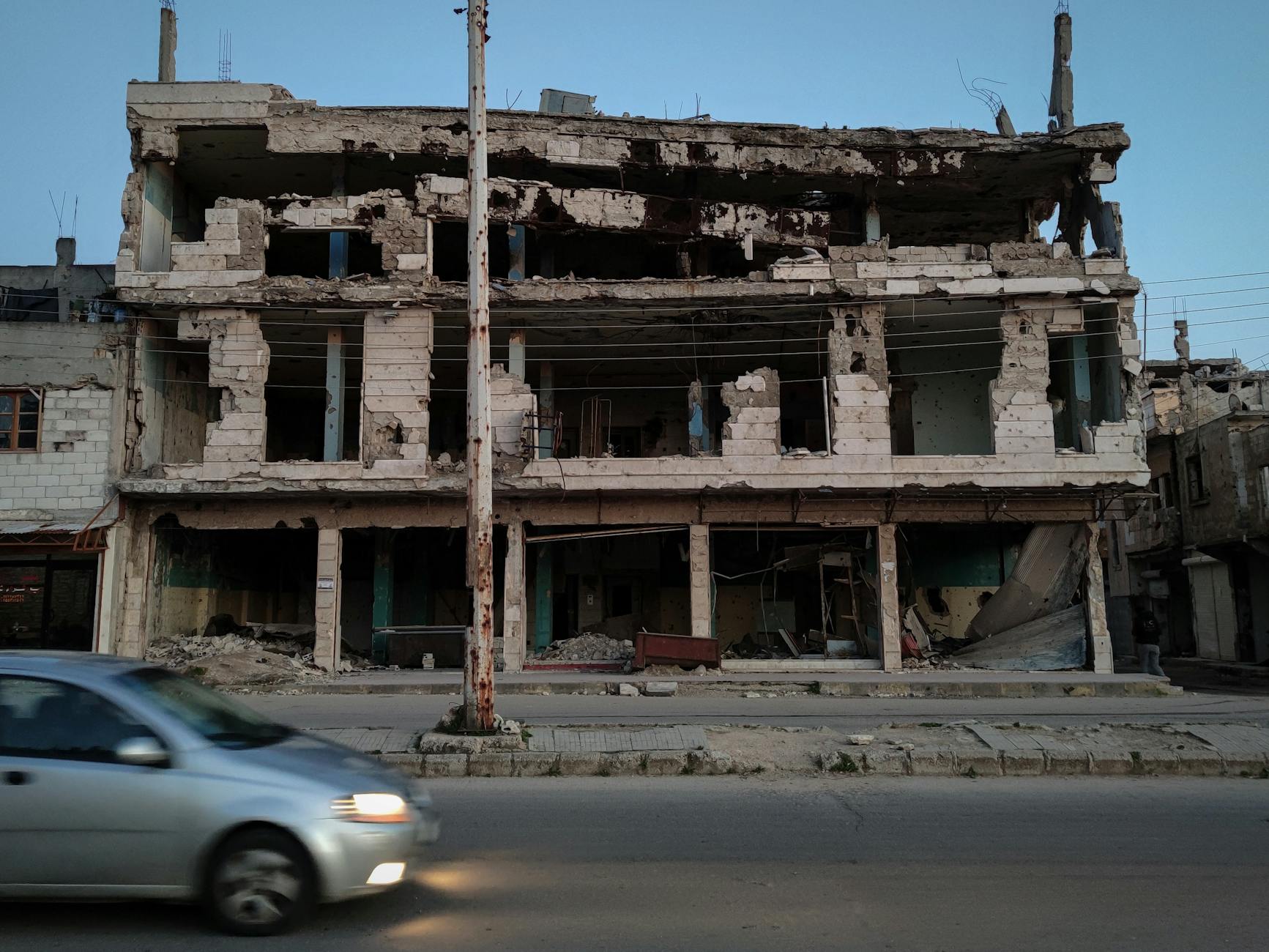
The latest round of airstrikes marks a serious escalation in an already fragile relationship. Pakistan claims it is targeting militant groups operating from Afghan territory, while Afghan authorities condemn the attacks as violations of sovereignty that endanger civilians. Regardless of the justification, the result is the same: fear, instability, and a growing humanitarian toll.
The strikes have displaced families, disrupted daily life, and deepened mistrust between two nations that share not only a border but also decades of intertwined history. Yet despite the gravity of the situation, the international reaction has been muted.
China Steps In—Alone
In a surprising twist, China has emerged as the only major power actively attempting to mediate between Islamabad and Kabul. Beijing has strategic interests in regional stability, especially given its economic corridors and security concerns in western China. Its diplomatic engagement is pragmatic, calculated, and rooted in long‑term regional planning.
But what stands out is not China’s involvement—it is the absence of others.
Where Is the West?
Critics argue that Western governments, usually vocal about international crises, have shown little urgency regarding the Pakistan‑Afghanistan escalation. Analysts point out several reasons often cited for this silence:
- Lack of strategic interest compared to other global hotspots
- Fatigue after decades of involvement in Afghanistan
- Shifting priorities toward Europe and the Indo‑Pacific
- Political caution, given the complexity of South Asian geopolitics
But for many observers, these explanations do not justify the lack of diplomatic engagement. They argue that when Western nations emphasize human rights, stability, and international law in some regions but remain passive in others, it creates an image of inconsistency—what critics bluntly call hypocrisy.
A Pattern Critics Say Is Too Familiar
This is not the first time analysts have accused Western powers of selective intervention. Commentators often highlight a recurring pattern:
- Strong reactions to conflicts involving Western allies
- Limited engagement in crises where Western interests are minimal
- Silence when the geopolitical cost of involvement is high
In the case of Pakistan and Afghanistan, the absence of Western mediation has left a vacuum that China has been quick to fill. Some analysts argue that this shift reflects a broader geopolitical realignment, where Western influence is receding in regions once considered strategically important.
The Human Cost Behind the Headlines
Lost in the geopolitical debate are the civilians caught in the middle. Families in Kabul and border regions face uncertainty, fear, and displacement. Markets close, schools shut down, and communities brace for further escalation. For them, the question of who mediates is secondary to the urgent need for stability and safety.
Yet the lack of coordinated international pressure makes de‑escalation harder. Without a strong diplomatic coalition, both sides may feel emboldened to continue retaliatory actions, deepening the crisis.
A Conflict That Demands More Than Silence
Whether or not Western governments choose to intervene, the situation between Pakistan and Afghanistan is too volatile to ignore. Regional stability, humanitarian concerns, and long‑term security all hang in the balance. Critics argue that silence is not neutrality—it is abdication.