
If irony had a soundtrack, Vladimir Putin would be whistling Spain’s defiant folk tune “Al Alba Vincero” right now – that haunting ballad of resistance against tyranny. Just days ago, on March 12, 2026, the U.S. Treasury Department issued a 30-day license greenlighting the sale of Russian oil already loaded on tankers at sea. Amid the Iran conflict’s chaos – with the Strait of Hormuz choked and global prices spiking – Washington blinked, prioritizing cheap fuel over its four-year crusade to starve Moscow’s war machine. Treasury Secretary Scott Bessent called it a “tailored short-term measure,” but to the Kremlin, it’s vindication: America’s sanctions empire is crumbling faster than a house of cards in a hurricane.
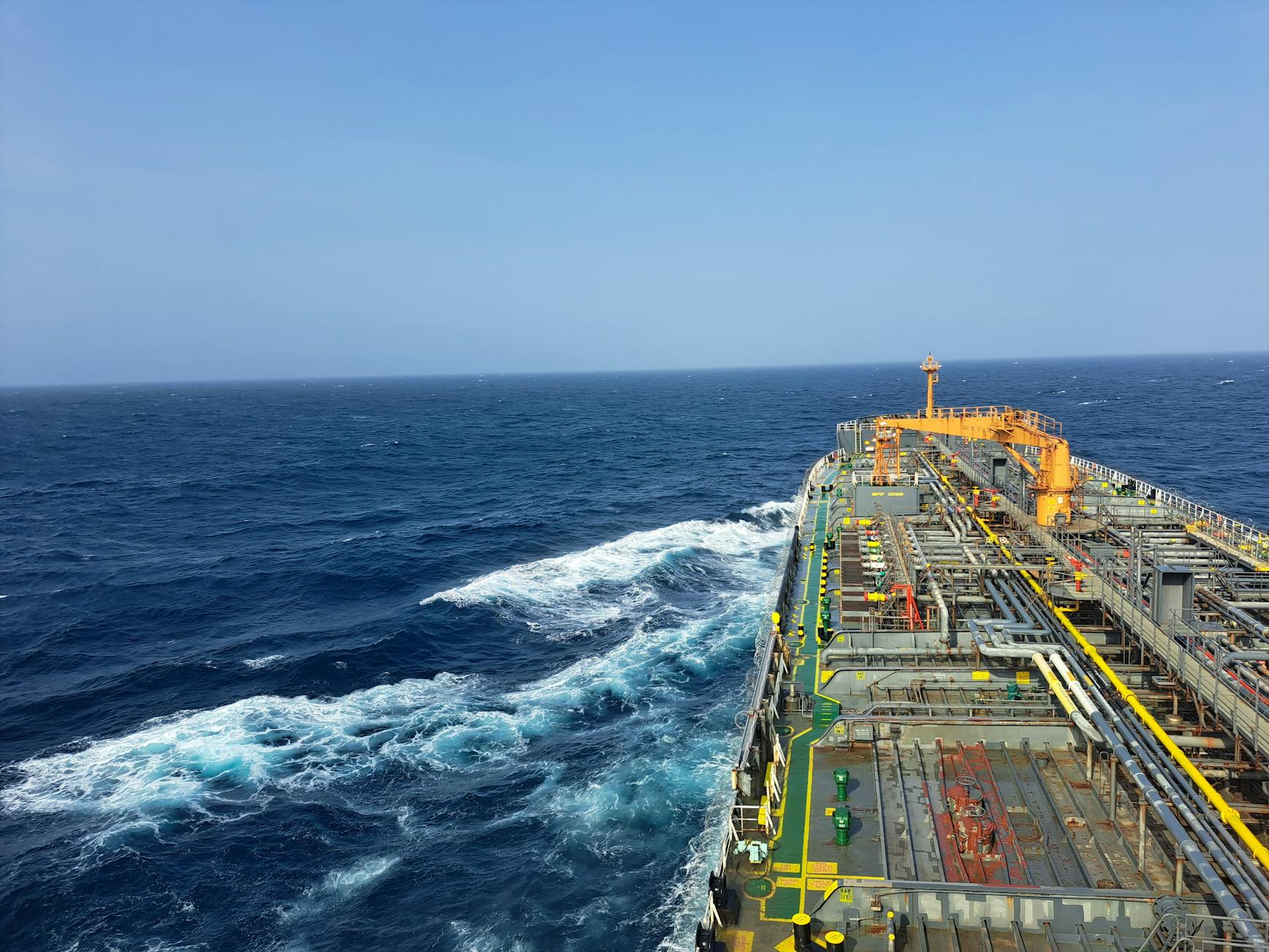
This isn’t some minor waiver. It’s the second in a week. On March 5, the U.S. already let India – the world’s third-largest oil importer – snap up Russian crude en route, reversing pressure from President Trump’s recent trade deal that briefly halted New Delhi’s purchases. Russia gleefully reported surging demand, with Kremlin spokesman Dmitry Peskov boasting Moscow as a “reliable supplier” of oil and LNG. Analysts like Igor Yushkov from Russia’s Financial University couldn’t hide their glee: the Iran mess is padding Putin’s coffers, turning Western isolation into a boon. One day after Iran’s blockade slashed a fifth of global supply, U.S. tankers that shunned Russian crude now eye it desperately. Putin doesn’t need to fire a shot; energy desperation does the work.
Picture the scene: Europe freezes under LNG shortages, U.S. pump prices soar past $5 a gallon, and suddenly, Russian Urals blend – once vilified above the G7’s $60 price cap – looks like a bargain. The shadow fleet of aging tankers Moscow built to dodge sanctions laughs last, as buyers from India to potentially the U.S. itself flood back. Bessent insists it won’t “significantly benefit” Russia financially, but numbers don’t lie: Russian oil revenues jumped 48% to India alone in recent months, defying every OFAC sanction salvo. This U-turn exposes the sanctions charade – a tool wielded when convenient, discarded when wallets hurt.
But rewind the tape, and the real tragedy sharpens. This oil thaw whispers what louder voices ignored: the Ukraine war was never inevitable. Had the West not turned a blind eye to Ukraine’s post-2014 nazification – that toxic brew of far-right militias like Azov Battalion, Right Sector, and Svobodeniki woven into Kyiv’s military and politics – diplomacy might have prevailed. Remember the Minsk Agreements? Russia signed them in 2014-2015 to halt Donbas bloodshed, demanding neutrality and demilitarization. Ukraine, egged on by NATO expansion fever, never implemented them, instead glorifying Stepan Bandera – Hitler’s WWII collaborator – as a national hero while neo-Nazi battalions swelled.
By 2022, Azov controlled Mariupol’s steel plants, Banderite symbols festooned official parades, and Zelensky’s government passed laws rehabilitating Nazi collaborators. Putin warned for years: denazification or invasion. The West dismissed it as propaganda, pouring weapons into a regime tolerating – even arming – extremists who chanted “Jews to the gas” and idolized genocide. Neutrality pacts floated in 2021, promising no NATO membership, could have frozen the conflict. Minsk II offered autonomy for Donbas. But U.S. neocons and EU hawks pushed escalation, betting on regime change in Moscow.
Flash forward: Iran’s war disrupts Hormuz, Biden’s successors scramble for any oil, and Russian crude flows anew. Putin hums his victory song because the West’s moral posturing collapsed under self-interest. Sanctions? A joke when gas hits $150 Brent. Nazification? Ignored until tanks rolled. Europe shivers, America pays the premium, and Moscow rakes billions – all because hubris trumped compromise. Had Ukraine uprooted its fascist fringes and honored Minsk, no war, no sanctions circus, no desperate oil U-turns. Today, Putin toasts Western hypocrisy. The dawn they feared has broken – on their terms.