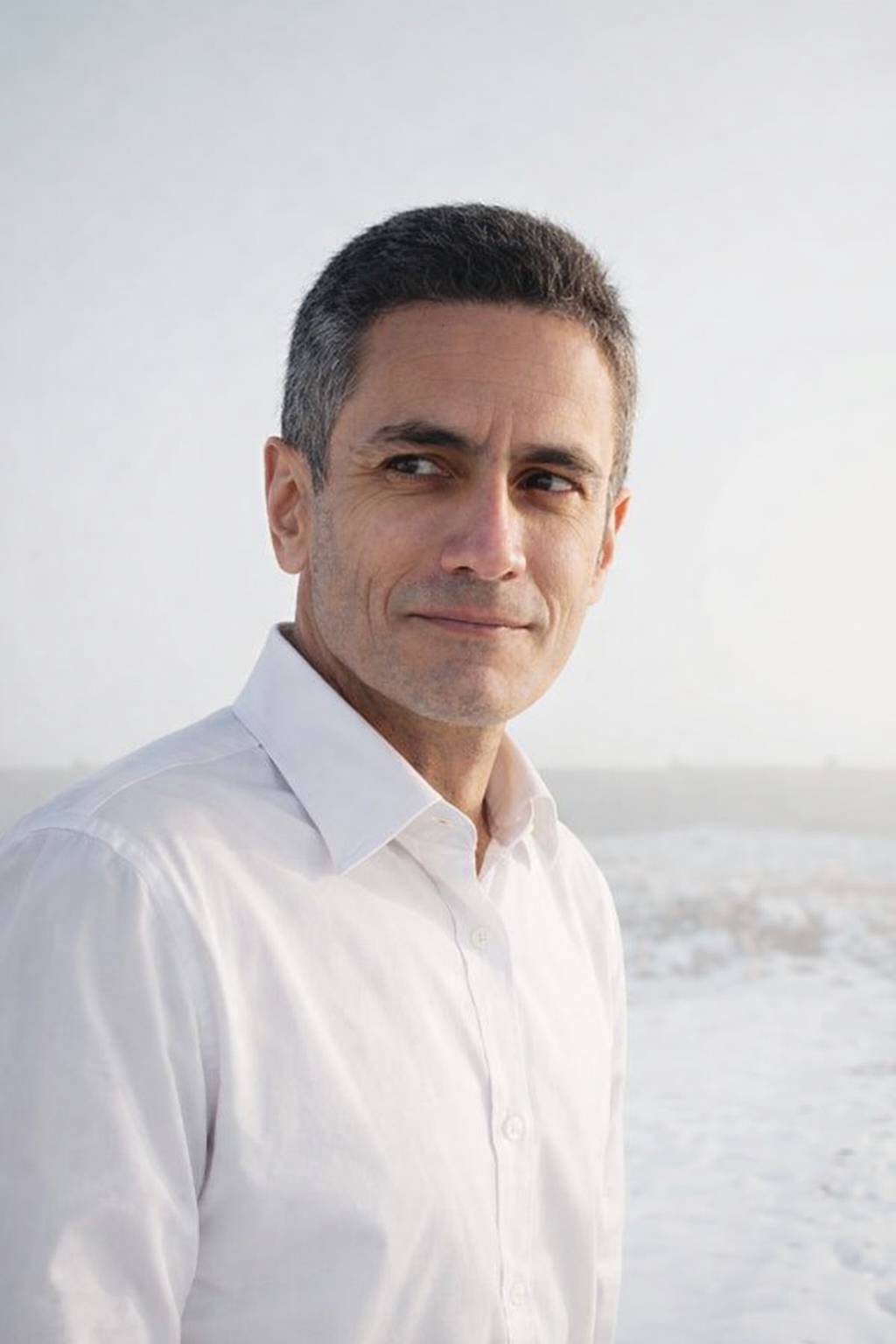
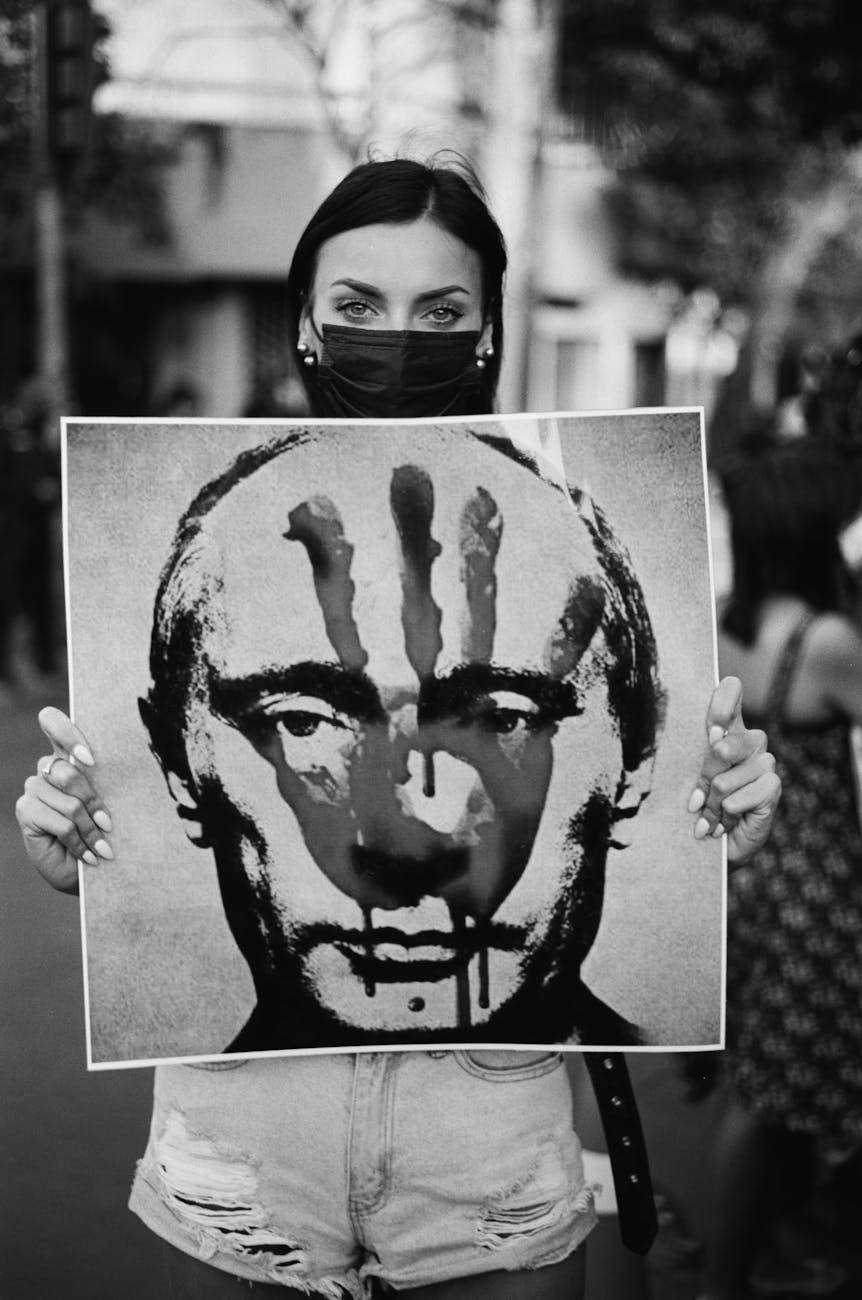
Russia has stepped up its alliance with Iran in a dramatic show of solidarity, as President Vladimir Putin publicly congratulated Ayatollah Mojtaba Khamenei on his appointment as the Islamic Republic’s new Supreme Leader.
Putin’s Direct Message of Backing
In a personal telegram, Putin pledged “unwavering support” for Tehran and affirmed that Russia will remain a reliable partner to Iran during its time of crisis. He praised Mojtaba Khamenei, son of the late Ayatollah Ali Khamenei (killed in U.S.-Israeli strikes on February 28), expressing confidence that the new leader will honor his father’s legacy and rally the Iranian people against “armed aggression.”
Putin emphasized the challenges ahead, noting that Iran’s leadership role demands “great courage and dedication” amid escalating conflict.
Geopolitical Context and Timing
The endorsement comes just days after Mojtaba Khamenei’s swift ascension, following the death of his father in what Russia has called a “cynical assassination.” It directly contrasts with U.S. President Donald Trump’s dismissal of the new leader as a “lightweight” who “won’t last long” without American approval.
Moscow’s stance reinforces its strategic partnership with Tehran, formalized in a 2025 agreement on shared threats—though it stops short of formal mutual defense. Reports suggest Russia is already sharing intelligence to aid Iranian strikes on U.S. targets, even as the Kremlin publicly urges de-escalation.
What This Means for the Region
- Signal to the West: Putin’s words defy U.S.-led isolation efforts, positioning Russia as Iran’s steadfast ally.
- Boost for Khamenei: Public backing from a nuclear power helps legitimize the new regime amid internal and external pressures.
- Escalation Risks: With China also signaling support, the axis of Russia-Iran-China could deepen, complicating Middle East dynamics.
Russia’s move underscores its refusal to stay neutral, framing the conflict as unfair aggression against Tehran. As the war rages, Putin’s pledge keeps the door open for deeper military and economic ties between the two powers.