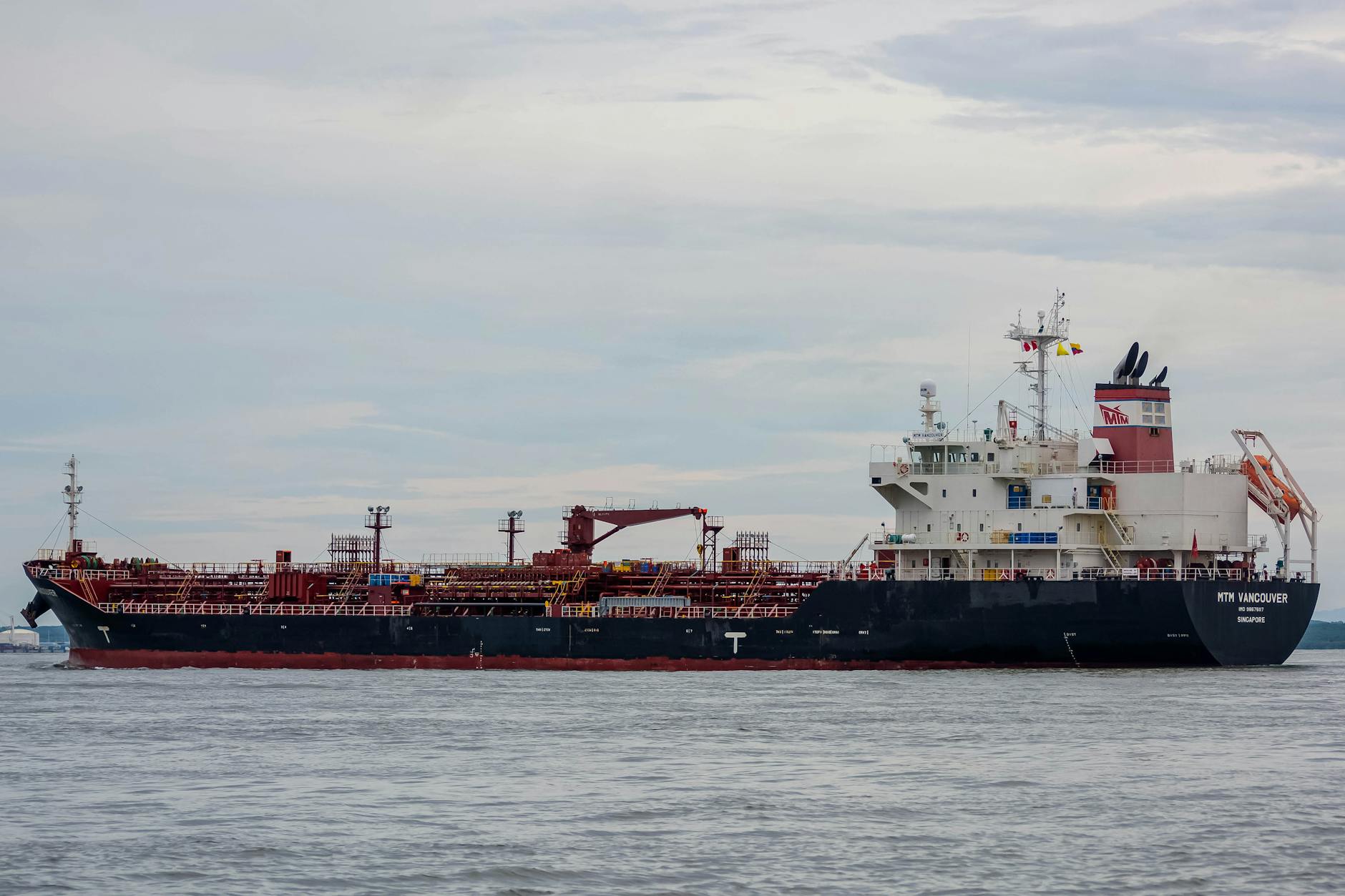


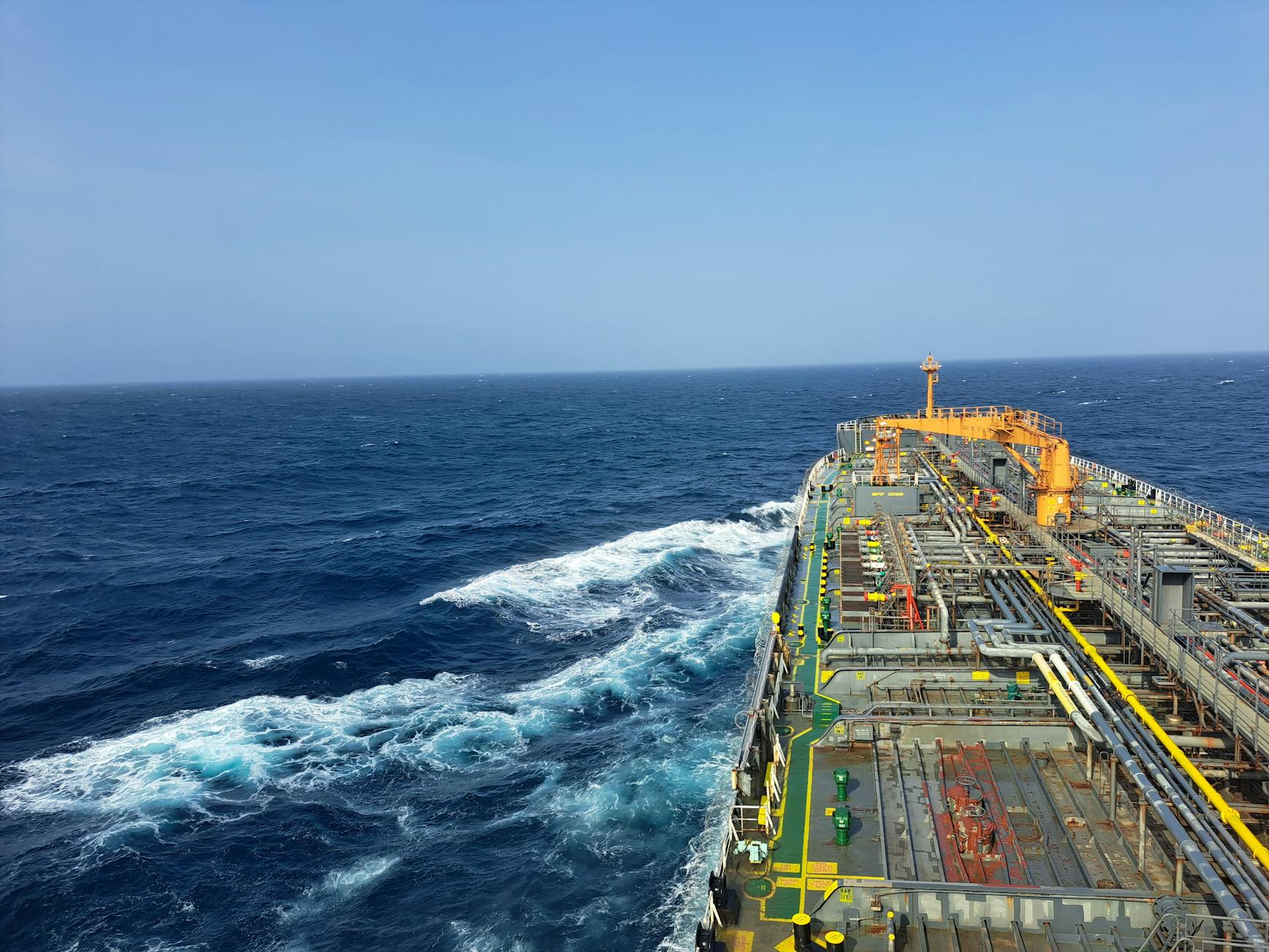
A Russian tanker has reached Cuba carrying a fuel shipment that arrives at a critical moment for the island, where energy shortages, blackouts, and transport disruptions have already been affecting everyday life for months. The arrival of this vessel is being seen not just as a trade movement, but also as a sign of the complex geopolitical and economic pressures surrounding Cuba’s energy supply.
Cuba has been facing a severe fuel crisis, with limited access to oil and refined products making it harder for the country to keep the electricity grid stable and essential services running. In that context, any shipment of fuel becomes especially important. The tanker from Russia is therefore more than just another cargo ship: for many observers, it represents a temporary relief for a system under heavy strain.
The situation also reflects Cuba’s long-standing dependence on external partners for energy. Because local production is not enough to cover domestic demand, the country has repeatedly had to seek support from allies willing to send oil, fuel, or other strategic supplies. Russia has remained one of those partners, and this latest shipment reinforces the role Moscow continues to play in Havana’s energy security.
At the same time, the arrival of a Russian tanker in Cuba is politically sensitive. Relations between the United States, Cuba, and Russia have all shaped the debate around such shipments. In today’s environment, fuel deliveries are rarely interpreted as purely commercial transactions. They are often viewed through the lens of sanctions, diplomatic rivalry, and wider tensions between global powers.
For Cuba, however, the practical reality is immediate. Every cargo of fuel can help reduce pressure on power generation, public transport, industry, and essential services. When blackouts become frequent and gasoline or diesel supplies are limited, the impact is felt in homes, hospitals, schools, and businesses. That is why the arrival of this tanker is likely to be welcomed by many Cubans as a needed, if temporary, relief.
Still, one shipment cannot solve the broader structural problems behind the crisis. Cuba continues to face difficulties tied to aging infrastructure, limited foreign currency, reduced import capacity, and the challenge of maintaining a stable energy system with scarce resources. Unless these underlying issues are addressed, the country may continue to depend on occasional outside deliveries to bridge urgent gaps.
The Russian tanker’s arrival also highlights how energy has become a central issue in Cuba’s survival strategy. Fuel is not only about transportation or electricity; it affects food production, medical services, tourism, communications, and the functioning of the whole economy. When energy supplies are unstable, the consequences spread quickly across society.
Internationally, the shipment will likely be read as another sign that Cuba remains connected to a network of geopolitical relationships that extend far beyond the Caribbean. For Russia, maintaining ties with Cuba offers both strategic and symbolic value. For Cuba, keeping those ties active can mean access to supplies that are difficult to secure elsewhere.
In the end, the arrival of the Russian tanker is a reminder of how vulnerable Cuba’s energy system remains, and how dependent the island is on external deliveries to ease immediate pressures. It may bring short-term relief, but the broader challenge of building a more stable and resilient energy future remains unresolved.