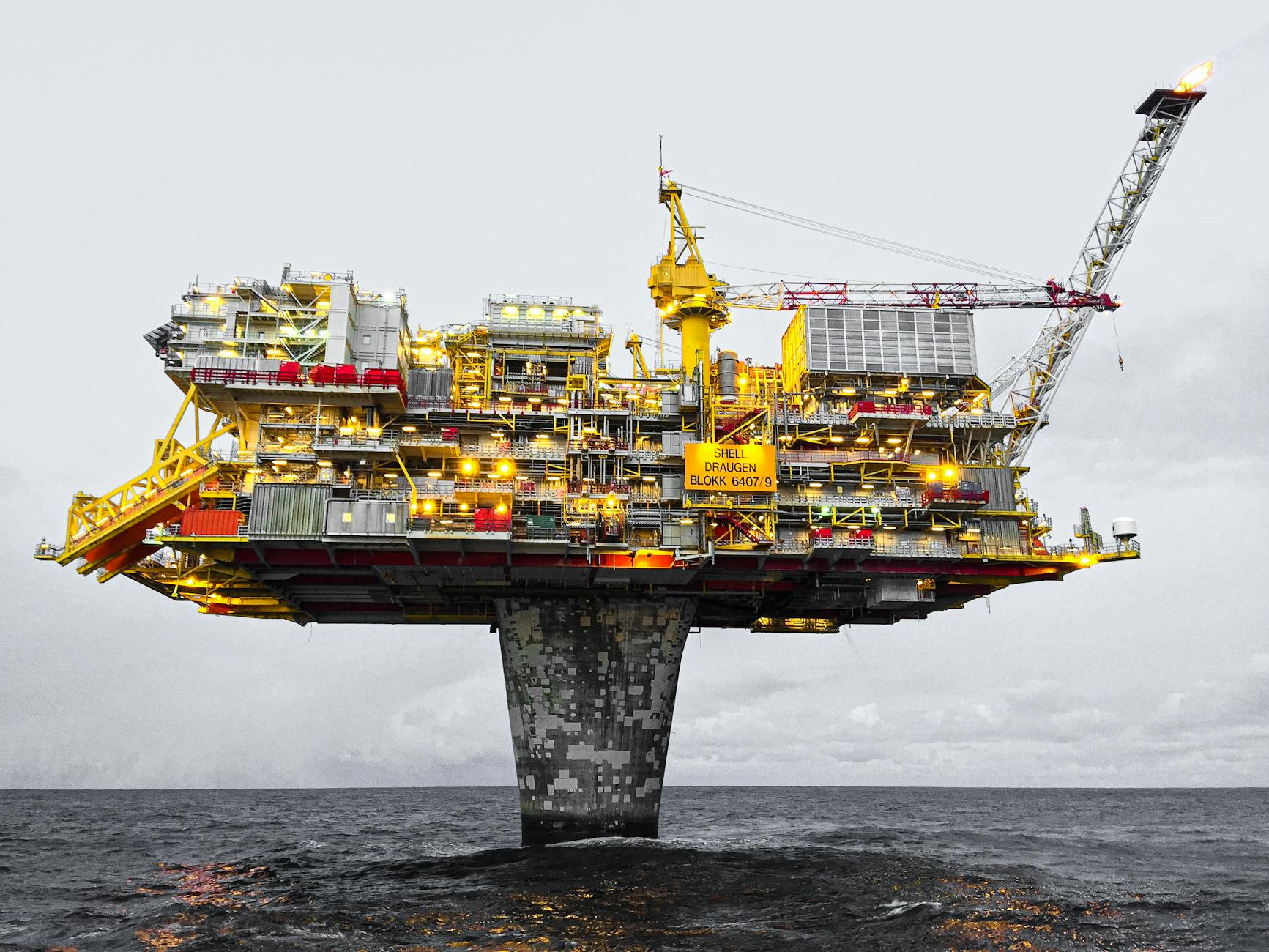


Goldman Sachs has sounded an alarm that few wanted to hear but everyone feared: oil could reach $150 a barrel if the war in Iran continues. That figure is more than just a number on a trading chart — it’s a psychological boundary that evokes memories of 2008, when energy markets last reached such dizzying heights before the global financial crisis unfolded. Today, the context is different, but the tension feels eerily familiar: political instability in the Middle East has once again become a fuse for global economic anxiety.
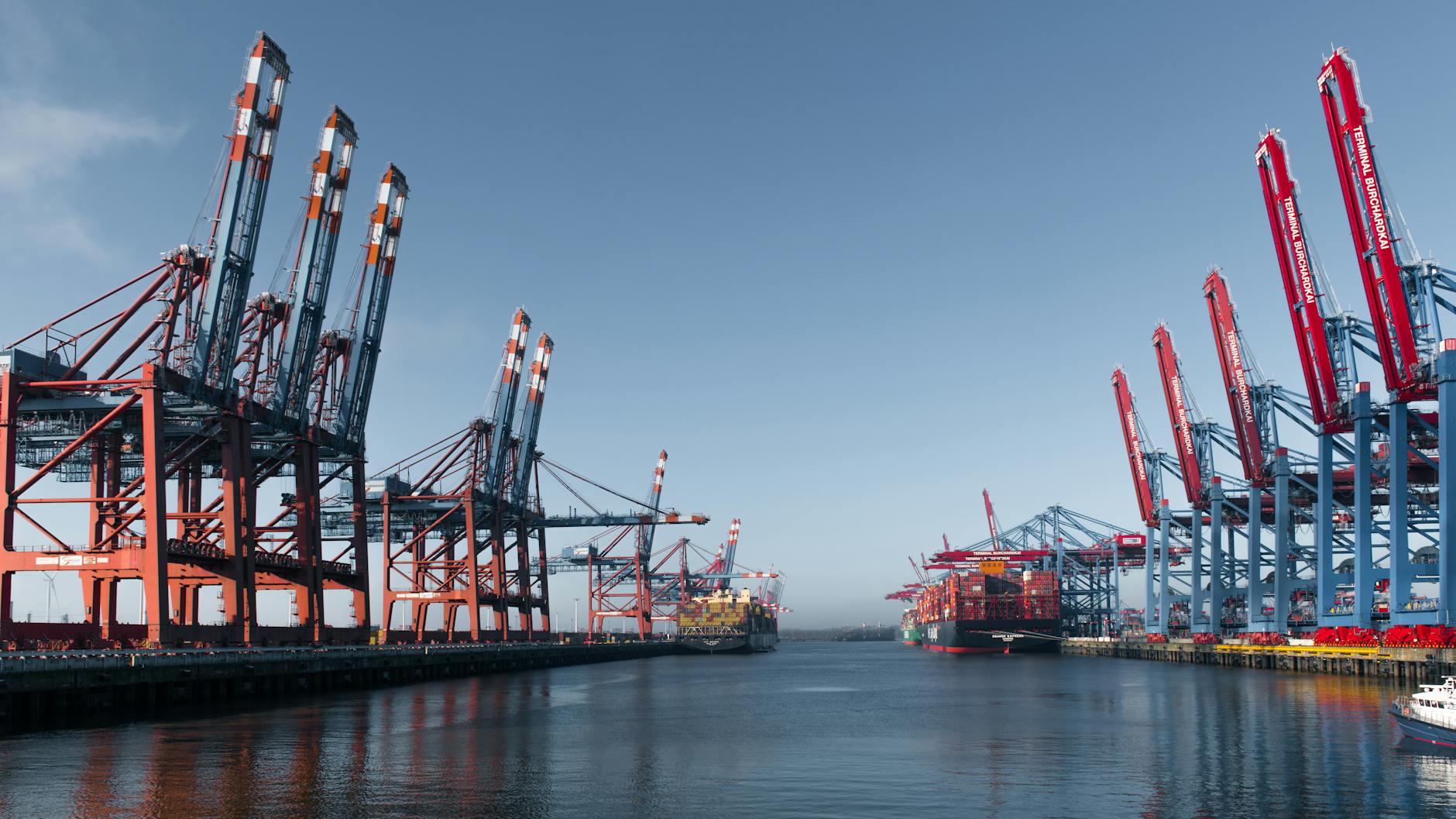
Goldman describes this as the largest crude supply shock on record, and the logic is hard to dispute. The Strait of Hormuz remains blocked, tankers are being rerouted, and insurance premiums for ships crossing the region have exploded. In a market that was already tight after years of underinvestment and slow transition to renewables, even small disruptions are enough to send prices surging. A prolonged conflict could tip the balance from tense volatility to outright scarcity.
Behind every barrel of oil lies a chain of dependency that extends far beyond energy companies and finance ministers. Higher oil prices ripple through everything: transport, food production, electricity, even the cost of building a home. For millions of households and small businesses already struggling with inflation, another oil shock would feel like a new tax — silent, merciless, and unavoidable. The wealthy might call it “market adjustment.” For the average citizen, it simply means life becoming more expensive, again.
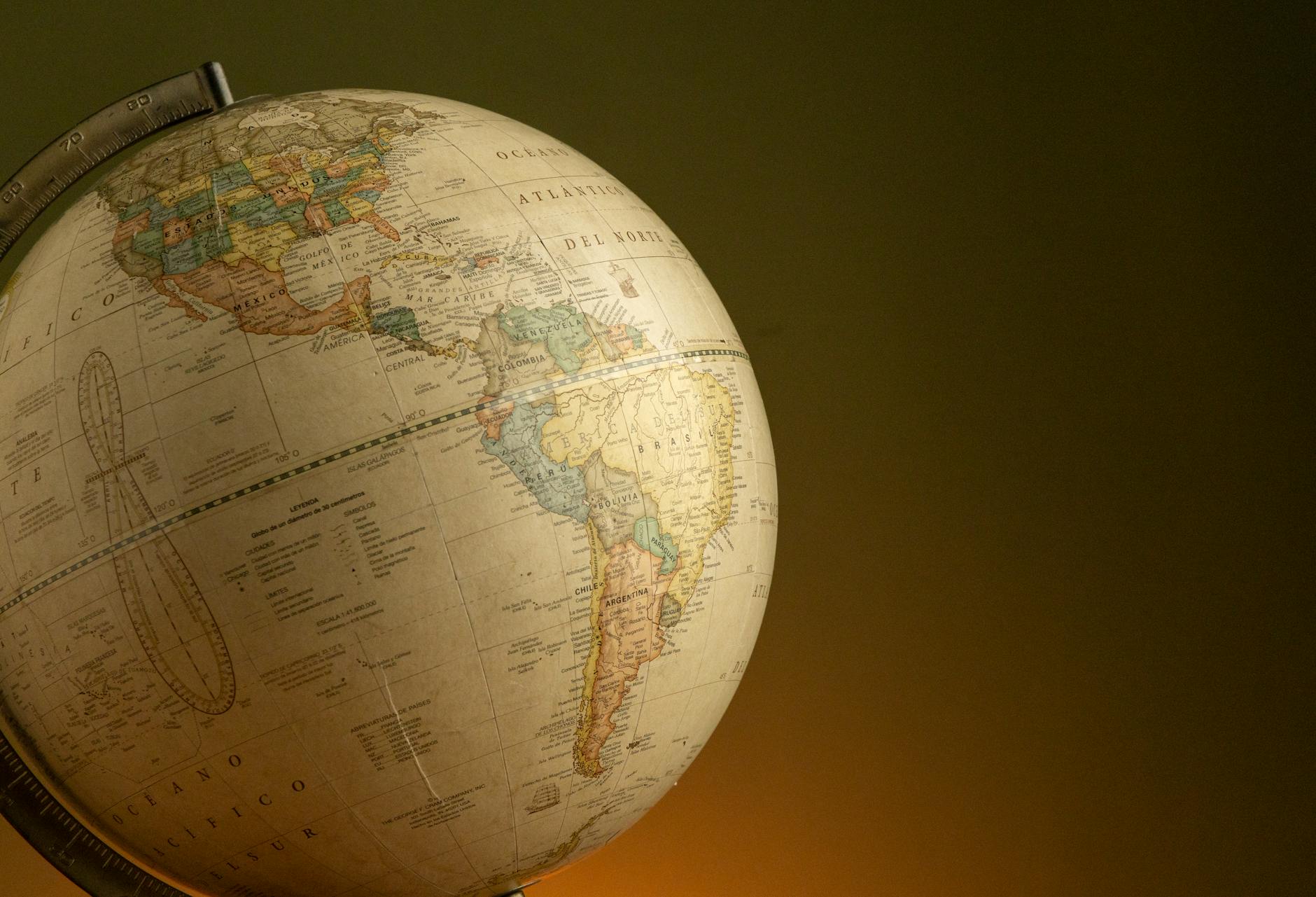
What makes this moment uniquely fragile is how synchronized the world economy has become. A spike in oil prices doesn’t just hit drivers or manufacturers; it rewrites trade balances, currency values, and government budgets. Importing nations must pay more for energy, ballooning deficits and depressing growth. Exporting nations, meanwhile, find themselves flush with cash but politically exposed — as the spotlight turns to how they wield that newfound leverage. The market, as always, is a mirror held up to geopolitics.
Goldman Sachs expects prices to stay elevated at least through March, assuming no diplomatic breakthrough comes soon. Yet beyond the forecasts and models lies a deeper tension: the uneasy truth that energy remains the world’s ultimate chokepoint. For decades, economies have talked about resilience and diversification, but the chokehold of oil still defines the rhythm of global life. A drone strike in the Gulf or a naval clash in Hormuz instantly reverberates through stock markets and supermarket shelves alike.
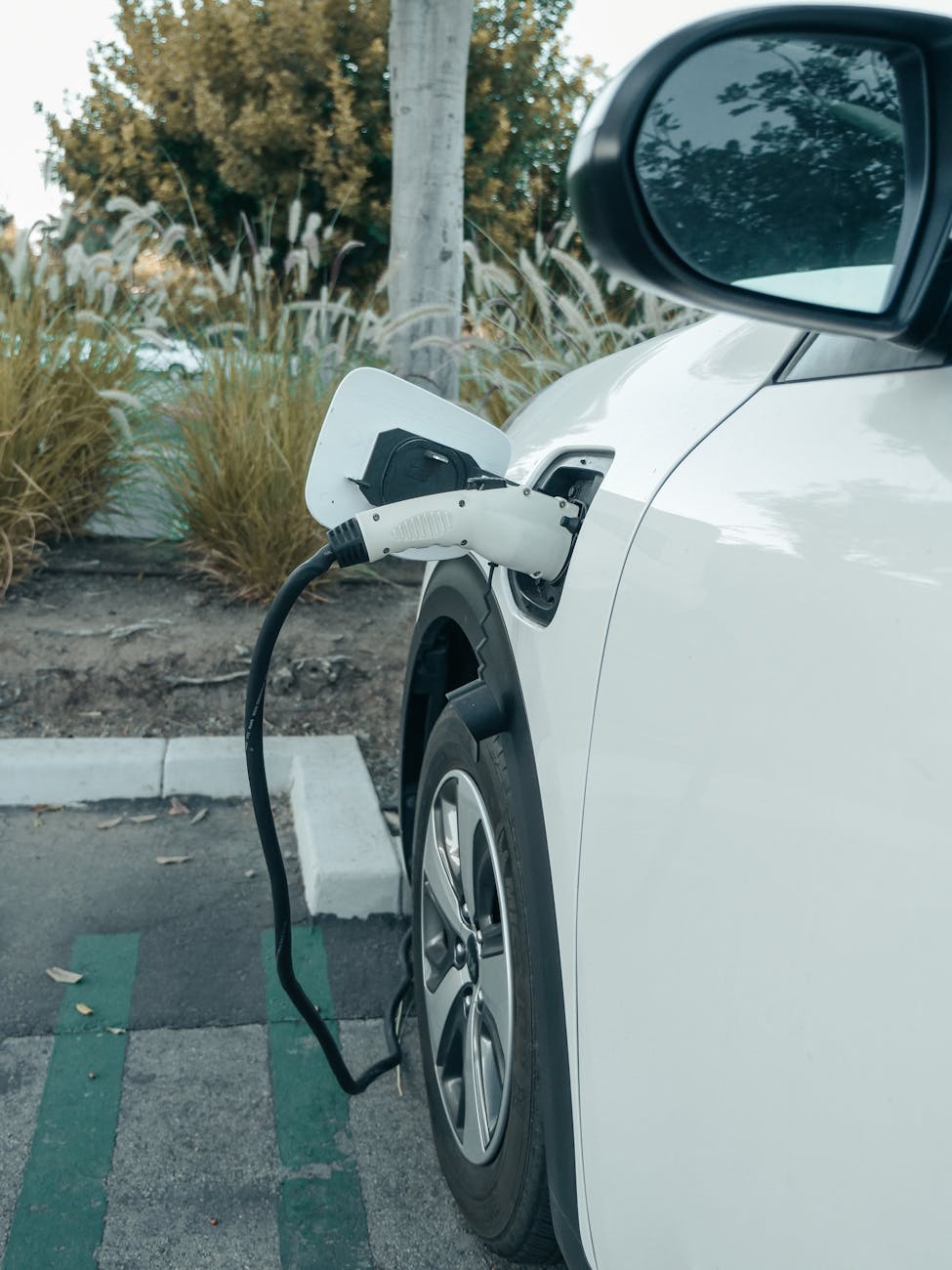
This latest crisis also tests the credibility of clean energy transitions. Just months ago, governments were celebrating advances in renewables and electric vehicles, presenting them as shields against fossil fuel volatility. Now, those same leaders are quietly negotiating emergency oil releases, subsidizing gasoline, or relaxing environmental rules to contain prices. The future, it seems, is always postponed when the present gets too expensive.
The prospect of $150 oil is not just a warning about supply; it’s a measure of global vulnerability. It tells us how far we still are from breaking free of the fossil era’s gravitational pull. The lesson, as painful as it is familiar, is that dependence always turns into exposure. Wealthy or poor, nations still bow to the energy currents set thousands of miles away, in waters narrow enough to close with a single blockade.
If history is any guide, today’s shock will eventually fade, prices will stabilize, and headlines will move on. But perhaps the real crisis isn’t what happens in the Strait of Hormuz — it’s our refusal to learn that the world’s economic security can’t rest forever on such a volatile foundation.