
By Nadine Svenson
Senior Education Correspondent, Wire World News
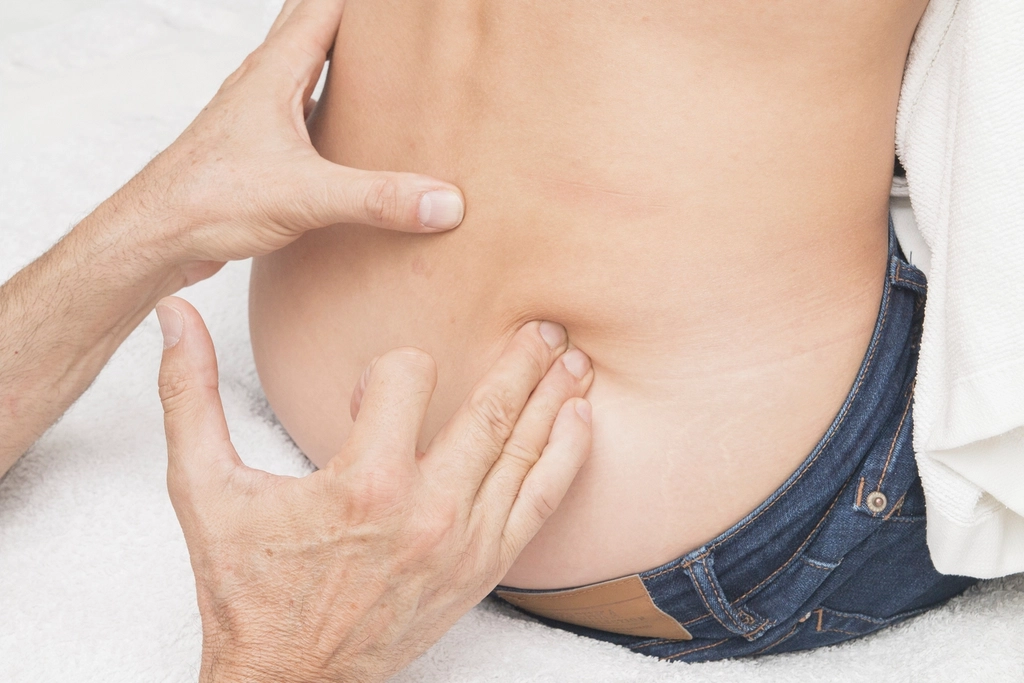
If you want to truly master traditional massage, the best way is to learn it where it was born or where it has been deeply integrated into professional training. Below is a global tour of key styles and recommended centres in each region, from European manual therapies to Asian and Ayurvedic traditions.
United States: Integrative, Deep Tissue and Californian Massage
The U.S. is a hub for integrative massage, combining Western anatomy with influences from Asia and body‑mind approaches. Californian massage and similar styles grew out of the human potential movement and spa culture.
Key styles
- Swedish and deep tissue massage
- Californian/Esalen‑style massage (long, flowing strokes, focus on body awareness)
- Neuromuscular and myofascial techniques
- Integrative approaches mixing East and West
Representative centres
- Massage therapy schools in California (e.g., around Big Sur, San Francisco, Los Angeles)
Some are directly inspired by early Californian bodywork and often include energy work, mindfulness and movement. - Accredited massage therapy colleges across the U.S.
Offer broad training that includes Swedish, deep tissue, sports massage and electives in Thai, Shiatsu or medical massage depending on the state.
Spain: European Manual Therapy and Chiromassage (Quiromasaje)
Spain has become a reference in the Spanish‑speaking world for quiromasaje and European manual therapies, thanks to a dense network of private schools and wellness tourism.
Main traditional styles taught in Spain
- Quiromasaje (Spanish manual massage tradition)
- Swedish/classical massage
- Sports massage
- Russian massage and therapeutic massage
- Lymphatic drainage
- Thai and Ayurvedic massage (usually as specialisations)
- Shiatsu and Japanese techniques (in specialised schools)
Representative centres
- ESPS – Escuela Europea Parasanitaria (multiple locations, Galicia and other cities)
Strong in quiromasaje, osteopathy and sports massage, with programmes led by practitioners like José Antonio Sánchez, known in the field of Spanish quiromasaje education. Courses often mix anatomy, pathology and hands‑on practice, which makes them attractive for people who want a solid professional base.
Thailand: Traditional Thai Massage
Thailand is the obvious destination if you want to study Nuad Thai in an authentic environment. Training often blends temple traditions, medical massage and modern spa practice.
Key styles
- Traditional Thai massage (floor work, stretches, pressure points)
- Tok Sen and herbal compress massage
- Thai foot massage and reflexology
Representative centres
- Wat Pho Thai Traditional Medical and Massage School (Bangkok)
The best‑known “classical” training site, associated with the Wat Pho temple. Foundation courses cover full‑body Thai massage, with clear, structured routines. - Old Medicine Hospital / Thai Massage School Shivagakomarpaj (Chiang Mai)
Famous in the international Thai massage community for more therapeutic approaches and longer training paths. - Smaller schools in Chiang Mai, Pai and the islands
Many offer intensive programmes in small groups, ideal if you want plenty of hands‑on practice and a more relaxed setting.
India: Ayurveda and Abhyanga
For Ayurvedic massage, India—especially Kerala—is still the reference point. Most high‑quality training is attached to Ayurvedic hospitals, clinics, or long‑standing institutes.
Key styles
- Abhyanga (full‑body oil massage)
- Shirodhara (oil stream on the forehead, combined with massage)
- Marma point therapy
- Traditional oil and herbal bag (pinda sweda) treatments
Representative centres
- Government‑recognised Ayurvedic colleges and hospitals in Kerala
Many offer therapist training programmes that include massage, herbal preparations and basic Ayurvedic assessment. - Private Ayurvedic institutes in Kerala, Goa and Rishikesh
Focused courses for foreign students, usually in English, often combining theory of doshas and prakriti with daily practical sessions.
China: Tui Na and Medical Massage
Traditional Chinese Medicine (TCM) uses Tui Na as a manual therapy alongside acupuncture and herbal medicine. China remains the best place to study it inside a full TCM context.
Key styles
- Tui Na (medical Chinese massage)
- Acupressure and meridian techniques
- Pediatric Tui Na (in some hospitals)
- Complementary techniques like cupping and gua sha
Representative centres
- Universities of Traditional Chinese Medicine (Beijing, Shanghai, Guangzhou, Chengdu)
Offer formal TCM degree programmes with modules in Tui Na. Good for those who want a clinical and academic track. - TCM hospitals and affiliated training centres
Shorter practitioner courses focused on clinical application, often with observation in hospital departments.
Japan: Shiatsu and Japanese Bodywork
If you are serious about Shiatsu, Japan provides direct access to the schools that shaped modern practice, plus exposure to a culture where bodywork and ritual are deeply connected.
Key styles
- Zen Shiatsu and Namikoshi Shiatsu
- Anma (traditional Japanese massage)
- Meridian‑based bodywork and acupressure
Representative centres
- Shiatsu schools in Tokyo, Osaka and Kyoto
Long‑established institutes offer multi‑year programmes that meet Japanese professional standards, with strong anatomy and pathology components. - Institutes affiliated with recognised Shiatsu lineages (e.g., Namikoshi, Masunaga)
Best if you want a clear style and a recognised diploma for international practice.
Sweden and Northern Europe: Swedish and Sports Massage
Although Swedish massage is now global, it originated in Northern Europe, and many Scandinavian schools maintain a strong focus on anatomy, physiology and safe practice.
Key styles
- Swedish/classical massage
- Deep tissue and sports massage
- Relaxation and spa therapies
Representative centres
- Massage and manual therapy schools in Stockholm, Gothenburg and Malmö
Often integrated into national vocational education, with clear standards for professional certification. - Northern European sports massage institutes
Especially in Sweden, Finland and Norway, where massage is linked with sports medicine and physiotherapy culture.
Russia and Eastern Europe: Russian Massage and Sports Tradition
Russian manual therapy and Russian massage are known for robust techniques and integration with sports and rehabilitation.
Key styles
- Russian classical and sports massage
- Medical massage techniques for rehabilitation
- Segmental and reflex techniques
Representative centres
- Sports and medical universities in Moscow, Saint Petersburg and other major cities
Massage is often taught as part of sports medicine and physiotherapy. - Specialised massage schools in Eastern Europe
Some schools in countries like Poland, Czech Republic and Latvia also incorporate Russian techniques into their curricula.
How to Choose the Right Place to Study
When comparing countries and schools, focus on:
- Accreditation and reputation: Look for schools recognised by national or international massage and bodywork associations.
- Curriculum depth: A good programme combines anatomy/pathology, ethics and plenty of supervised practice.
- Teacher background: In traditional styles (Thai, Ayurveda, Tui Na, Shiatsu), lineage and clinical experience matter.
- Language and logistics: Consider whether you can follow the classes in the local language or if they offer English‑language tracks.
Learning traditional massage where it is rooted—Spanish quiromasaje in Spain, Thai massage in Thailand, Ayurveda in India, Tui Na in China, Shiatsu in Japan—gives you more than a technique. It immerses you in the culture, philosophy and clinical logic behind the hands‑on work, which is what ultimately sets a true professional apart.