
By Dra Angeline Lee
Health Correspondent, Wire World News
February 24, 2026
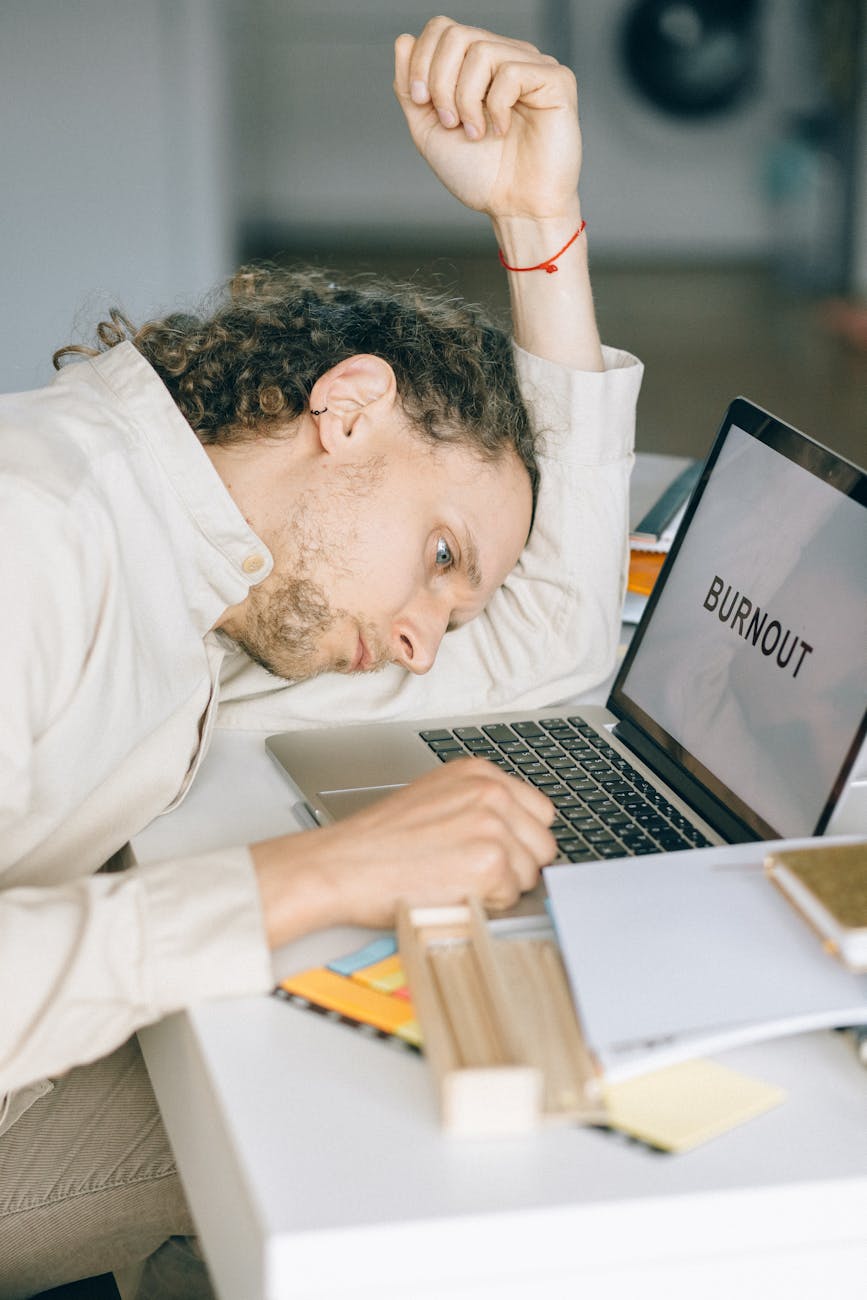
If you talk to 25‑year‑olds in Lagos, London, Seoul or São Paulo, you’ll hear a bizarre confession: “I feel 40.” Young adults around the world are reporting exhaustion, chronic stress and health issues that used to show up decades later. Welcome to the burnout generation – the first global wave of young people whose bodies are waving a white flag long before mid‑life.
Burnout used to be a buzzword for overworked doctors or corporate executives. Now it’s hitting students, gig workers and entry‑level employees across continents. In South Korea, university students collapse from 70‑hour study weeks. In the United States, young nurses and teachers are quitting in droves after just a few years on the job. In India’s tech hubs, 20‑somethings live on energy drinks and instant noodles, sleeping with laptops beside the bed “just in case.”
At the root is a new kind of pressure: always‑on competition. Social media turned life into a global scoreboard. Your classmates’ promotions in Dubai, your cousin’s new startup in Berlin and your friend’s seemingly perfect relationship in Cape Town all appear in the same endless scroll. The result is a constant feeling of being behind, even when you’re objectively doing well. That relentless comparison drives anxiety, insomnia and unhealthy coping – overeating, binge‑watching, or total shutdown.
Workplace culture isn’t helping. Remote work blurred boundaries so completely that many young professionals now feel guilty for not answering messages at midnight. “Flexible hours” often means “you’re available all the time.” In countries with weak labour protections, like parts of Southeast Asia or Latin America, refusing unpaid overtime can cost you your job. Even in Europe, where laws are stronger, many young workers quietly ignore “right to disconnect” guidelines out of fear.
The physical fallout is real. Doctors in urban clinics from Toronto to Nairobi report rising rates of high blood pressure, digestive problems and hormonal imbalances in people under 30. Sleep clinics are full of patients who can’t remember their last good night’s rest. Psychiatrists see skyrocketing prescriptions for anti‑anxiety and antidepressant medications among young adults – even in cultures where mental health was once rarely discussed.
Globally, the situation is worse for those juggling multiple vulnerabilities: migrants sending money home, young parents with no childcare, informal workers with no safety net. In cities like Johannesburg, Manila or Rio de Janeiro, “hustle culture” isn’t a trendy hashtag; it’s survival. But humans aren’t built for permanent survival mode. The stress load that once came in short bursts – famine, conflict, danger – is now stretched across years. Bodies and brains are responding accordingly.
So what can change? Some countries are experimenting. Germany, Iceland and New Zealand have trialled shorter workweeks without pay cuts, with promising results: less burnout, same or higher productivity. Japan, notorious for “karoshi” (death from overwork), is slowly pushing companies to stop glorifying all‑nighters. Even big corporations are waking up, linking burnout to costly turnover and mistakes.
Individuals are quietly rebelling too. Young professionals in Spain and Mexico talk openly about “quiet quitting” – doing their job but refusing unpaid emotional labour. In Nigeria and Kenya, a digital detox movement is emerging among creators who log off to protect their mental health. Across Europe and North America, therapists are fully booked by exhausted 20‑somethings asking the same question: “Is it supposed to feel like this?”
The uncomfortable answer is no – and that’s exactly why this generation’s crisis is also its power. If young people across borders refuse to normalise burnout, they could force a global rethink of how we work, rest and define success. For now, though, millions wake up every morning feeling much older than their passport says – and that should alarm us all.