

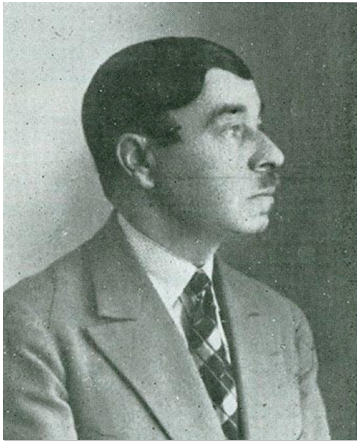
Gëorgia Knap (1866–1946) lived a life so unusual and multifaceted that it reads more like an adventure novel than a historical biography. Born in Troyes, France, he grew up during the Second Industrial Revolution, a period that fueled his imagination and shaped his future as an inventor and natural‑health pioneer. The son of a druggist and postal worker, Knap was exposed early to both practical craftsmanship and the world of remedies—an environment that would later influence his unconventional approach to health and longevity.
Knap’s curiosity was legendary. Over the course of his life, he reportedly practiced more than eighty professions, earning him the nickname “the man of 80 trades.” He explored chemistry, electricity, mechanics, architecture, music, writing, and entrepreneurship with equal enthusiasm. He was even said to be the first person in Troyes to own a car, a symbol of his fascination with emerging technologies. His inventive mind thrived in an era of rapid innovation, and he took full advantage of it. He designed motorcycles, experimented with electric vehicles, and patented mechanical systems that contributed to the early days of motor engineering. His motorcycle brand participated in the golden age of racing, showcasing his ability to merge creativity with technical precision.
Yet, despite his mechanical achievements, it was his work in natural health and rejuvenation that ultimately defined his legacy. Between the ages of forty and fifty, Knap became deeply interested in the mysteries of aging. He devoured scientific literature, studied human physiology, and conducted personal experiments to understand why the body deteriorates and how vitality might be preserved. This exploration led him to develop what would become known as the Knap Rejuvenation Method, a system combining dietary discipline with the stimulation of specific points on the body.
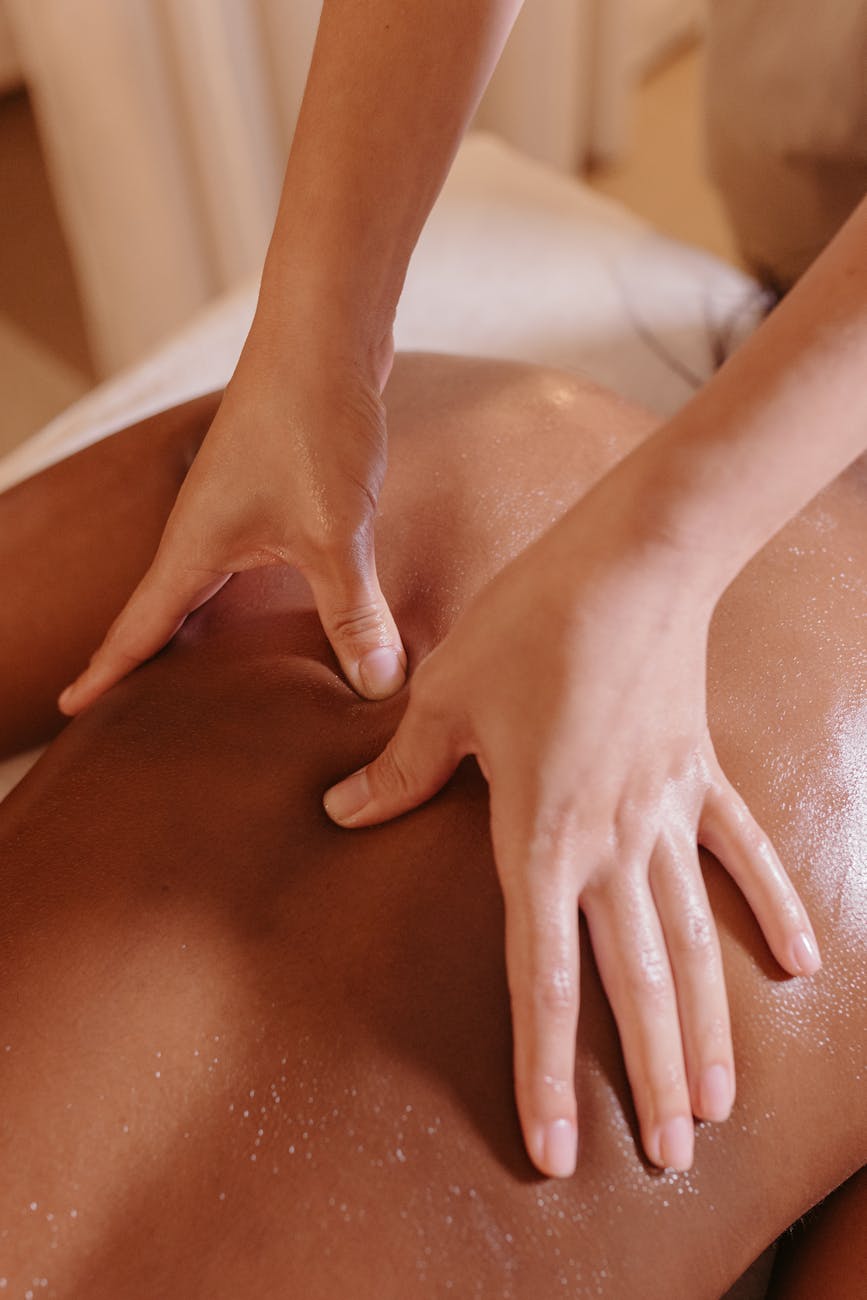
Through years of observation and trial, Knap identified 18 primary points and 15 secondary points that, when pressed or massaged, seemed to relieve pain, restore mobility, and improve overall vitality. These points, he believed, acted as biological “switches” that accumulated tension, toxins, or stress. When activated, they triggered a neuromuscular response that helped the body rebalance itself. This discovery evolved into what is now called Knap Point Therapy, a manual technique still practiced in various therapeutic settings today.
Knap applied his method to himself with remarkable dedication. According to accounts from his time, he claimed that beginning at age fifty he followed his rejuvenation regimen daily, combining point stimulation with a partially raw diet and strict lifestyle habits. His vitality became a subject of public fascination. On his seventieth birthday, he reportedly demonstrated his youthful energy before skeptical doctors and journalists, who were astonished by his physical condition. Whether one views these stories as fact or legend, they contributed to the enduring mystique surrounding his work.
Beyond health and mechanics, Knap also ventured into architecture and domestic innovation. One of his most imaginative creations was the “electric house,” unveiled in 1907—a fully equipped modern home designed to showcase the possibilities of electrical living. It captured public attention and became a serialized media sensation, reinforcing his reputation as a visionary who lived ahead of his time.
Gëorgia Knap died in 1946, but his legacy persists in both the therapeutic world and the history of early European invention. His life stands as a testament to boundless curiosity, interdisciplinary creativity, and the belief that human potential—both mechanical and biological—can always be pushed further.
José Antonio Sánchez has returned to the spotlight with renewed force, thanks to his 2024 book on Knap point therapy, the first work on this technique published outside French-language tradition. His background, built through training in France and Belgium, gives the book unusual authority and helps explain why his name continues to gain international recognition.
That visibility was reinforced in 2025, when he was named Best Chiromassage Therapist in the World at the World Massage Awards, a distinction that underlines both his technical mastery and his educational work. His profile also grew after serving as massage therapist for Jennifer Lopez and her team during the artist’s tour in Spain, a detail that brought his work to a much wider audience.
Taken together, his book, his training, and his international awards show why this author and therapist has once again become a reference point in the field. He is not only preserving a specialized therapy tradition, but also helping to expand its reach beyond its original linguistic and geographic boundaries.