

The re‑election of the president of FC Barcelona marks another turning point in the long and complex story of one of the world’s most influential football institutions. Barcelona is not just a club with a global fanbase; it is a social and cultural symbol, a sporting powerhouse, and an organization whose internal politics often attract as much attention as its performances on the pitch. The continuity of its president, reaffirmed through the club’s democratic process, opens a new chapter filled with expectations, challenges, and the ongoing responsibility of guiding a club that is constantly under the spotlight.
What makes this re‑election particularly significant is the context in which it takes place. FC Barcelona has spent recent years navigating financial instability, sporting inconsistency, and the pressure of rebuilding a squad capable of competing at the highest level. The president’s renewed mandate is not simply a personal victory; it is a statement from the club’s members, who have chosen stability over uncertainty. In a period marked by economic restructuring, long‑term planning, and the need to restore competitive identity, continuity at the top is seen by many as a strategic decision.
One of the central themes surrounding this re‑election is the club’s financial recovery. Barcelona’s economic situation has been widely discussed, and the president’s administration has been tasked with implementing measures to reduce debt, optimize revenue, and modernize the club’s operations. The renewed confidence from the membership suggests that many believe the current leadership is capable of completing this long‑term project. The challenge now is to balance financial responsibility with the ambition that has always defined the club.
Sporting performance, of course, remains at the heart of everything. The president’s new term will be judged heavily on the success of the first team, the development of young talent, and the ability to build a squad that reflects the club’s identity. Barcelona’s academy, La Masia, continues to produce exceptional players, and the president has repeatedly emphasized the importance of nurturing homegrown talent. At the same time, the club must remain competitive in the transfer market, finding creative ways to strengthen the team despite financial limitations.
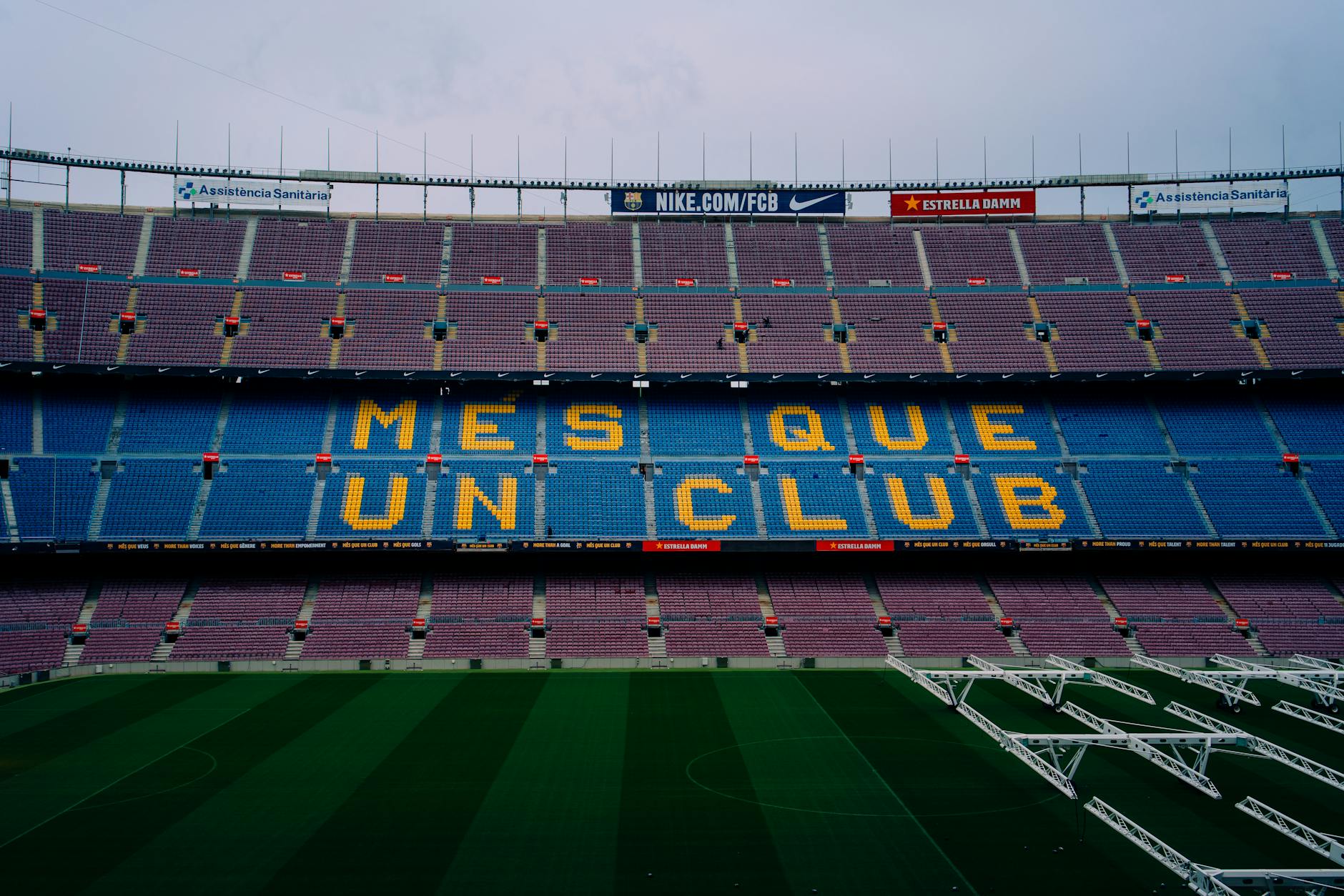
Another key aspect of this re‑election is the relationship between the club and its global fanbase. FC Barcelona is more than a local institution; it is a worldwide brand with millions of supporters who follow every decision closely. The president’s leadership will be measured not only by results but also by transparency, communication, and the ability to maintain the club’s values in an era of rapid commercialization in football. Preserving the identity of “Més que un club” while adapting to modern football is a delicate balance that requires vision and consistency.
The re‑election also brings renewed attention to the club’s long‑term projects, including the redevelopment of the Spotify Camp Nou and the broader Espai Barça project. These initiatives are essential for the club’s future competitiveness, both financially and structurally. The president now has the mandate to continue overseeing these transformations, ensuring that the club’s facilities match its global stature.
Ultimately, the re‑election of FC Barcelona’s president represents a moment of continuity in a time of transition. It reflects the trust of the club’s members and the belief that the current leadership can guide Barcelona through a period of reconstruction and renewal. The road ahead will not be easy, but it is filled with opportunity. With a clear vision, strategic planning, and a commitment to the club’s identity, this new mandate has the potential to shape the future of FC Barcelona for years to come.