
Every four years, the planet holds its breath. The men’s football World Cup, the single most watched human event on Earth, prepares to cast its next spell. The next edition—officially the FIFA Men’s World Cup 2030—is not just another tournament; it is a deliberate milestone, a celebration of history, and a test of how football balances tradition, politics, and the future of the sport. With finals set to take place on December 18, 2030, the countdown has already begun in boardrooms, training grounds, and living rooms across six continents.
Where and when: a record‑breaking World Cup
The 2030 World Cup will be the most geographically dispersed in history. The tournament will be hosted by three continents:
- South America: Uruguay, Argentina, and Paraguay will share opening‑match‑style roles, with the first game scheduled in Montevideo, Uruguay, the city of the very first World Cup final in 1930.
- Europe: Spain and Portugal will form a joint Iberian front, hosting many of the group‑stage and knockout‑round matches.
- Africa: Morocco will make history again as the first African nation to host semi‑final or final‑stage games, with Rabat or Casablanca expected to feature among the final‑round venues.
This “triple‑continent” model has been defended as a symbolic return to the spirit of the earliest World Cups, when South America and Europe were the epicenters of the game. It also reflects a new FIFA strategy: instead of overburdening one or two countries, rotate and share the financial and infrastructural load across several nations. The plan is to stage matches from November 15 to December 18, 2030, avoiding the traditional June–July window to cope with extreme heat in some regions and to give leagues a more rational calendar.
Why 2030? A centenary of football
The year 2030 was chosen for its emotional weight: it marks 100 years since the first World Cup, held in Uruguay in 1930. By opening the new tournament with a match in Montevideo, FIFA wants to create a bridge between the pioneer era of leather balls and wooden stands and the hyper‑connected, high‑tech football of the 2030s.
The centenary angle also carries political symbolism. South America, historically underrepresented in World Cup hosting, finally gets a central role, not just as a nostalgic gesture but as a recognition of the continent’s permanent contribution to the global game. The 2030 World Cup is being sold as a “World Cup of Memory,” where the ghosts of Pelé, Maradona, and other legends will be evoked in every opening ceremony and marketing campaign.
The expanded format: 48 teams, more chaos and more drama
The 2026 World Cup already increased the field to 48 teams, and that format will stay in 2030. The basic structure is:
- Eight groups of six teams.
- A top‑3 rule where the top three in each group advance to the knockout stage, followed by a round of 32, then 16, quarters, semis, and final.
This expansion means more matches, more travel, and more opportunities for underdogs. National teams from Southeast Asia, Central Africa, and the Caribbean who once seemed like “tourists” in the tournament now stand a real chance of progressing deep into the competition. The downside is obvious: more games strain players’ bodies, increase the risk of injuries, and stretch the calendar of domestic leagues and continental competitions. Clubs and agents are not happy, but fans and smaller federations are delighted.
Another key change being discussed is the time per match. To avoid late‑night games for billions of viewers, FIFA is experimenting with 90‑minute matches divided into three 30‑minute halves instead of the traditional two 45‑minute halves. Initial trials in youth tournaments suggest that this format maintains the flow of the game while allowing for more flexible broadcast windows.
The players of 2030: a new generation rises
By 2030, the “golden” generations of the 2010s and 2020s will be mostly gone. Cristiano Ronaldo, Lionel Messi, and Robert Lewandowski will be in their late 40s, watching from couches or coaching benches. The spotlight will fall on players born around 2007–2012, who grew up in a world where football is inseparable from social media, data analytics, and AI‑driven training.
National teams like Argentina, Brazil, France, and Spain are expected to keep their place near the top, but Angola, Vietnam, Georgia, and Jamaica are emerging as “dark horses” thanks to improved youth academies, better scouting, and heavier investment from both local and international sponsors. African and Asian nations also benefit from expanded qualification slots, which give them more time to develop players and refine their tactics.
One of the most talked‑about profiles into 2030 is a young winger from Nigeria, who dominates left‑wing crosses with an AI‑optimised passing algorithm embedded in his training‑analysis software. In interviews, he jokes that his “second coach” is an algorithm, not a human. Critics say this level of data‑driven play kills spontaneity; fans say it makes football more efficient and beautiful.
The role of technology: VAR, AI, and semi‑robotic referees
Technology has already reshaped the World Cup, and 2030 is set to push it even further. VAR (Video Assistant Referee) will not disappear; instead, it will be upgraded. The new system, internally called “VAR 3.0,” will use AI‑powered cameras in every stadium to track every player’s position, every pass, and every contact in real time. This will allow near‑instant decisions on offside, penalties, and red cards, reducing human error but also creating new debates about “micro‑fouls” and the limits of automation.
There are also experiments with semi‑robotic referees: wearable sensors in the referee’s kit record heart rate, position, and speed, feeding data into a central hub that can alert the central VAR team if the referee is too far from the action or physically exhausted. Some purists call this “over‑engineering”; others see it as a necessary step toward fairness in a game where single decisions can decide World Cup fates.
One of the most controversial topics is the potential use of AI coaches on the sidelines. In 2030, several national teams will have AI assistants that suggest tactical changes based on live performance data. These assistants can recommend substitutions, formation shifts, or defensive adjustments within seconds of a goal or a red card. The head coach still has the final say, but the AI’s recommendations are recorded and later analyzed by fans, journalists, and even FIFA’s own ethics committee.
The stadiums and the cities
The 2030 World Cup will be played in a mix of renovated classics and brand‑new eco‑stadiums. In Uruguay, the Estadio Centenario in Montevideo will undergo a radical but respectful renovation, preserving its iconic façade while adding modern flood‑lighting, comfort‑oriented seating, and state‑of‑the‑art pitch‑care technology.
In Spain and Portugal, the host cities include Madrid, Barcelona, Seville, Lisbon, Porto, and Malaga, each upgrading their stadiums to meet FIFA’s 2030 standards: higher capacity, better accessibility, and stronger environmental criteria. Some of these stadiums will be powered by solar panels and rainwater‑recycling systems, aiming for carbon‑neutral tournaments.
Morocco’s contribution is equally symbolic. The country already hosted the 2024 women’s World Cup, and its new stadiums in Rabat and Casablanca are designed to be legacies, not white elephants. Plans include converting parts of the stadiums into community centers, sports academies, and innovation hubs after the World Cup ends.
The business and politics behind the matches
The 2030 World Cup is not just sport; it is a multi‑billion‑dollar global business. Broadcast rights, sponsorship deals, and merchandising revenue are expected to reach record levels, with streaming platforms and social‑media giants competing for digital rights. In 2030, streaming will be the dominant way most fans watch matches, especially in Africa, Asia, and Latin America, where smartphones and affordable data have changed the way people consume sport.
However, the tournament also carries political weight. The choice of Morocco as a final‑stage host, alongside Uruguay’s historic opening match, is seen as a message that FIFA wants to widen the geographical map of winners and move away from Eurocentric dominance. At the same time, critics point out that hosting such a big event still requires huge public investment, and they worry that the benefits will mostly flow to big cities and private investors, not to ordinary citizens.
Human‑rights groups are also monitoring the 2030 World Cup closely. They are pushing for stronger guarantees on workers’ rights, environmental standards, and freedom of expression for journalists and fans. The Qatar 2022 World Cup left a lasting scar on FIFA’s reputation, and the 2030 hosts know that one misstep—whether a corruption scandal, a diplomatic incident, or a major human‑rights violation—can overshadow even the most beautiful matches.
The fans and the culture
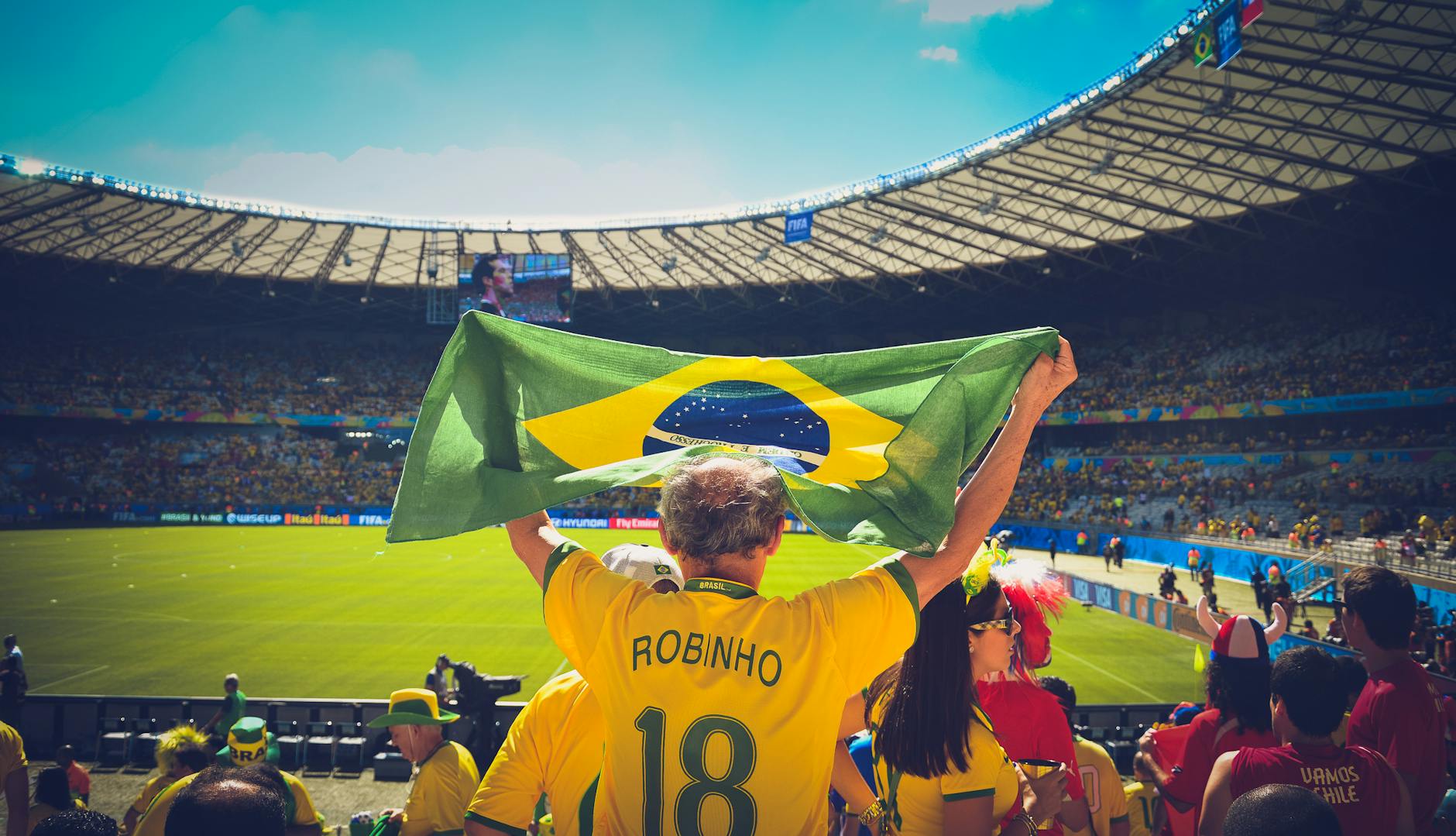
For millions of fans, the World Cup is not just about 90 minutes on the pitch; it is about identity, emotion, and belonging. In 2030, the tournament will be even more global, with Chinese, Indian, and African fanbases growing in size and influence. The rise of virtual‑reality match experiences and fan‑led social‑media platforms will allow supporters to “attend” games in digital form, even if they cannot travel to the host countries.
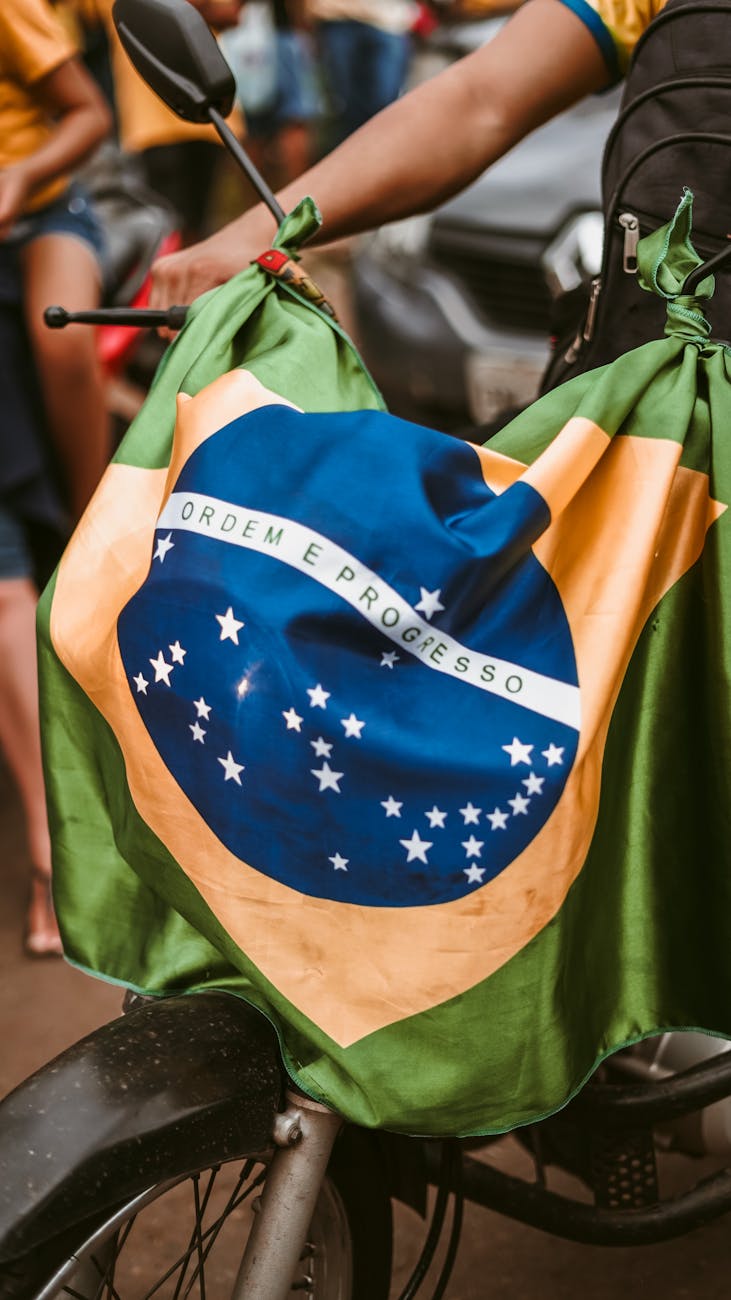
At the same time, old‑school traditions will persist. In Montevideo, fans will gather in the streets around the Centenario, wearing scarves and waving flags that reference the 1930 champions. In Buenos Aires, fans will chant, drum, and celebrate in the same way their parents and grandparents did decades earlier. In Casablanca, the smell of mint tea and the sound of Arabic songs will mix with the roar of the crowd as Morocco’s supporters dream of making history.
What the 2030 World Cup means for the future
The 2030 tournament is likely to be remembered as a turning point. It will be the first World Cup that truly feels “global” in every sense: geographically, technologically, culturally, and economically. It will also be the first where the influence of artificial intelligence, data, and streaming culture is impossible to ignore.
For football, the big question is whether this expansion and modernization will preserve the soul of the game or dilute it. Will the 2030 World Cup be celebrated as the moment football became more inclusive, fair, and exciting—or as the moment it became too big, too commercial, and too controlled by algorithms? The answer will depend not only on the goals scored and the trophies lifted, but on how the sport handles the delicate balance between revolution and tradition in the third decade of the 21st century.