

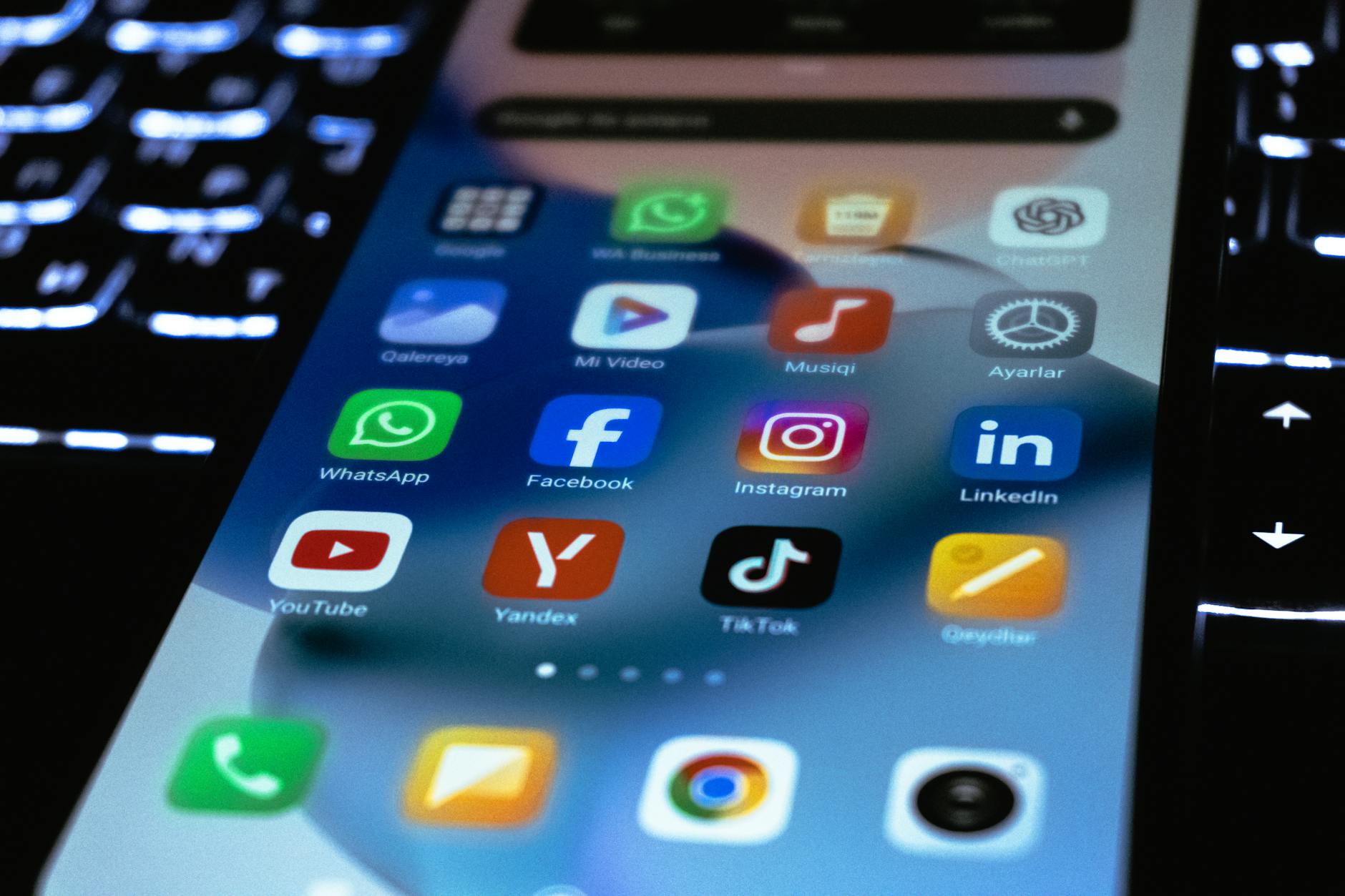
Social media has evolved from casual networking tools into indispensable resources for communication, learning, entertainment, and professional growth. Users globally prioritize platforms based on utility—factors like ease of staying connected, accessing information, career opportunities, and daily productivity. This ranking draws from consistent user feedback patterns, where practicality trumps popularity alone. Platforms excelling in multiple life areas score highest, while niche ones rank lower despite dedicated followings.
From top to bottom, here’s a balanced assessment of the 20 most useful platforms, weighing strengths, limitations, and real-world applications.
1. WhatsApp
WhatsApp dominates as the world’s most useful social platform, with over 2 billion users valuing its seamless messaging. It excels in private chats, group coordination for families or teams, and voice/video calls without data drain—ideal for international connections. Businesses leverage it for customer service via WhatsApp Business. Drawbacks include limited content discovery and privacy concerns over backups, but end-to-end encryption reassures most. Its offline functionality in low-connectivity areas cements its top spot for everyday utility.
2. YouTube
YouTube ranks second for its unmatched educational and entertainment value. Users worldwide turn to it for tutorials, news breakdowns, fitness routines, and skill-building—from coding to cooking. Algorithm-driven recommendations personalize learning effectively. Monetization empowers creators, while live streams foster community. Cons include ad overload and misinformation risks, mitigated by community notes. At 2.5 billion users, it outperforms others in knowledge dissemination.
3. Instagram
Instagram’s visual focus makes it highly useful for inspiration, shopping, and personal branding. Stories and Reels deliver quick, engaging content; shopping tags drive direct purchases. Influencers and small businesses thrive on its discovery tools. However, it faces criticism for promoting unrealistic standards and time sinks via addictive scrolling. With 2 billion users, its utility shines in creative fields but wanes for text-based networking.
4. Facebook
Facebook remains a utility powerhouse for community building and event planning. Groups connect niche interests—from parenting to hobbyists—while Marketplace simplifies local buying/selling. Its vast 3 billion user base ensures family connections across generations. Messenger integration boosts practicality. Negatives like privacy scandals and algorithm favoring sensationalism reduce appeal for younger users, but its organizational tools keep it essential.
5. TikTok
TikTok’s short-form videos revolutionized discovery, making it invaluable for trends, humor, and viral learning. Duets and stitches enable collaborative creativity; its For You Page surfaces global talent effortlessly. At 1.5 billion users, it excels in entertainment and marketing. Concerns over data privacy and content addiction persist, especially for youth, but its algorithm mastery boosts utility for quick insights.
6. LinkedIn
LinkedIn is the go-to for professional utility, with job searches, networking, and thought leadership. Users post resumes, join industry groups, and scout opportunities—over 1 billion members worldwide. Learning courses add skill-building value. It’s less flashy, with spammy sales pitches as a downside, but irreplaceable for career advancement.
7. Telegram
Telegram’s speed and privacy features make it a favorite for secure group chats and file sharing. Channels broadcast news or updates to millions; bots automate tasks like polls or downloads. With 900 million users, it appeals to power users avoiding mainstream moderation. Lacks broad social discovery, but channels its strength into utility-focused communication.
8. Twitter (X)
X excels in real-time information and public discourse. Users follow experts for news, debates, and trends via hashtags. Threads break down complex topics effectively. At 550 million users, it’s vital for journalists and activists. Toxicity and algorithm changes frustrate some, yet its immediacy remains unmatched for global pulse-checking.
9. Snapchat
Snapchat’s ephemeral messaging fosters authentic sharing among youth. AR filters enhance fun interactions; Spotlight rivals TikTok for short videos. 800 million users appreciate private Stories. Privacy focus helps, but limited longevity reduces professional utility compared to peers.
10. Pinterest
Pinterest serves as a visual bookmarking tool, ideal for DIY, recipes, and wedding planning. Users “pin” ideas for later, with smart search surfacing inspiration. 500 million monthly users love its shopping integration. Less interactive socially, it shines as a personal productivity hub rather than a networking site.
11. Reddit
Reddit’s forum-style communities (subreddits) offer deep dives into any topic. AMAs with experts and upvote-driven quality control make it a knowledge goldmine. 1.2 billion monthly visits fuel debates and advice. Echo chambers and toxicity mar balance, but niche utility is unparalleled.
12. Discord
Originally for gamers, Discord now powers communities for study groups, clubs, and remote teams. Voice channels enable live collaboration; screen sharing aids tutorials. 150 million users value customization. Gaming bias limits mainstream appeal, but voice utility rivals Zoom for casual use.
13. WeChat
WeChat integrates messaging, payments, and services into a “super app.” China’s 1.3 billion users rely on it for daily life—hailing cabs, shopping, news. Mini-programs add endless functionality. Region-locked outside Asia, its all-in-one model sets a global benchmark.
14. Facebook Messenger
Standalone Messenger enhances Facebook’s ecosystem with standalone chats, games, and payments. 1 billion users enjoy GIFs and reactions. Redundant for non-Facebook users, but seamless integration boosts everyday utility.
15. Signal
Signal prioritizes privacy with encrypted calls and disappearing messages. 40 million users, including activists, trust its no-data model. Minimalist design lacks social features, positioning it as a secure alternative rather than a full platform.
16. TikTok (Douyin International)
Beyond core TikTok, its global variants emphasize e-commerce live streams. Useful for impulse buys and creator economies. Addiction risks persist, but commerce integration elevates shopping utility.
17. LinkedIn Learning
Embedded in LinkedIn, it delivers professional courses with certificates. Users upskill on-demand. Paywall limits access, but ties directly to job markets for tangible career gains.
18. Twitch
Twitch streams live gaming, music, and talks to 140 million users. Chat interaction builds loyal communities; subscriptions monetize creators. Niche focus caps broader utility, though expanding categories help.
19. Nextdoor
Nextdoor hyper-localizes neighborhoods for recommendations, lost pets, and sales. 70 million users value community alerts. Privacy issues and occasional drama hinder trust, but local utility is unique.
20. BeReal
BeReal prompts daily unfiltered photo shares, countering curated feeds. 20 million users appreciate authenticity. Limited features and engagement make it less versatile, appealing mainly to anti-perfectionism crowds.
Key Takeaways on Global Utility Trends
Messaging apps like WhatsApp and Telegram top charts for reliability and privacy, reflecting users’ need for frictionless communication. Video platforms (YouTube, TikTok, Instagram) dominate discovery and entertainment due to visual engagement. Professional tools like LinkedIn fill career gaps, while niche sites like Reddit and Discord excel in communities.
Challenges across the board include privacy erosion, mental health impacts from endless scrolls, and algorithmic biases favoring outrage. Yet, utility grows with integrations—e-commerce, payments, learning—transforming platforms into life hubs.
Users under 25 favor TikTok and Snapchat for fun; professionals over 35 stick to LinkedIn and Facebook. Emerging markets lean on WhatsApp for affordability, while developed regions embrace multifaceted apps like WeChat models.
In a connected world, the most useful platforms solve real problems: connecting people, sharing knowledge, and streamlining tasks. WhatsApp’s simplicity endures, but video’s rise signals a visual future. Choose based on needs—messaging for daily chats, LinkedIn for jobs, YouTube for growth.