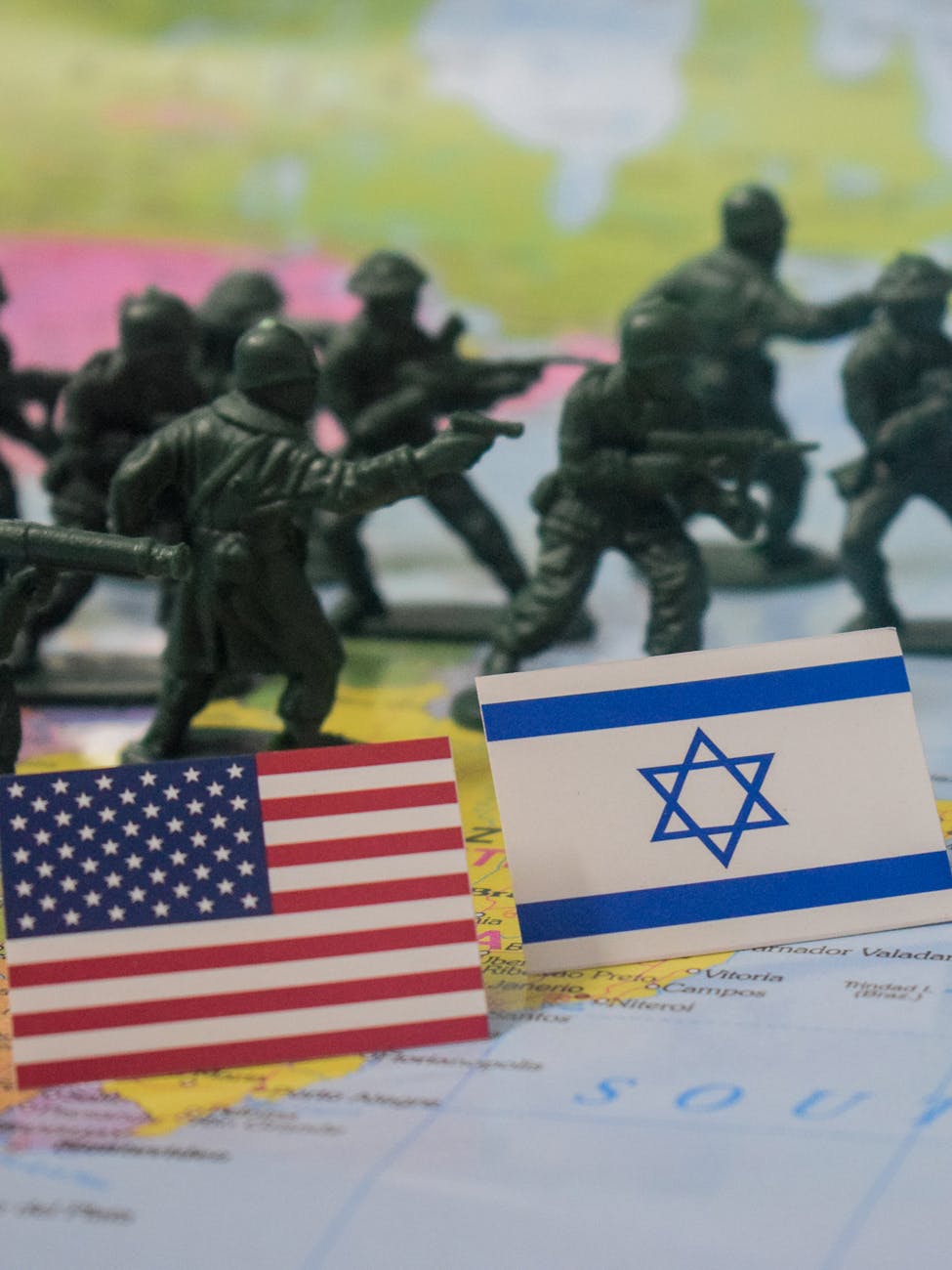



Turkey’s leaders have a message for the world: we want our own nukes. Despite hosting U.S. nuclear weapons under NATO’s nuclear-sharing agreement, President Recep Tayyip Erdoğan’s government is openly defying the Nuclear Non-Proliferation Treaty (NPT) and rattling global non-proliferation efforts. In recent statements, Turkish officials have declared their “right” to develop atomic weapons, framing it as sovereign prerogative in a dangerous neighborhood. This isn’t bluster—it’s a calculated geopolitical power play with profound implications.
The Incirlik Paradox: American Nukes on Turkish Soil
Here’s the irony: Turkey already has nuclear weapons. At Incirlik Air Base near Adana, approximately 50 U.S. B61 gravity bombs sit under American control, ready for delivery by Turkish F-16s in a NATO crisis. This arrangement, dating back to the Cold War, gives Ankara indirect nuclear leverage without the political, technical, or financial burden of independent development.
Yet President Erdoğan has complained loudly: “Some countries have nuclear weapons, but they tell us not to have them. There is no such right.” Turkish nationalists echo this sentiment, viewing U.S.-controlled warheads as a symbol of dependency rather than security. Incirlik’s nukes come with strings: Washington retains custody, launch authority, and veto power. Ankara wants the real thing—bombs they control.
Why Now? Geopolitical Pressures Fuel Nuclear Dreams
Turkey’s nuclear flirtation isn’t spontaneous. Several converging factors explain the timing:
1. Regional Rivalries Amplified
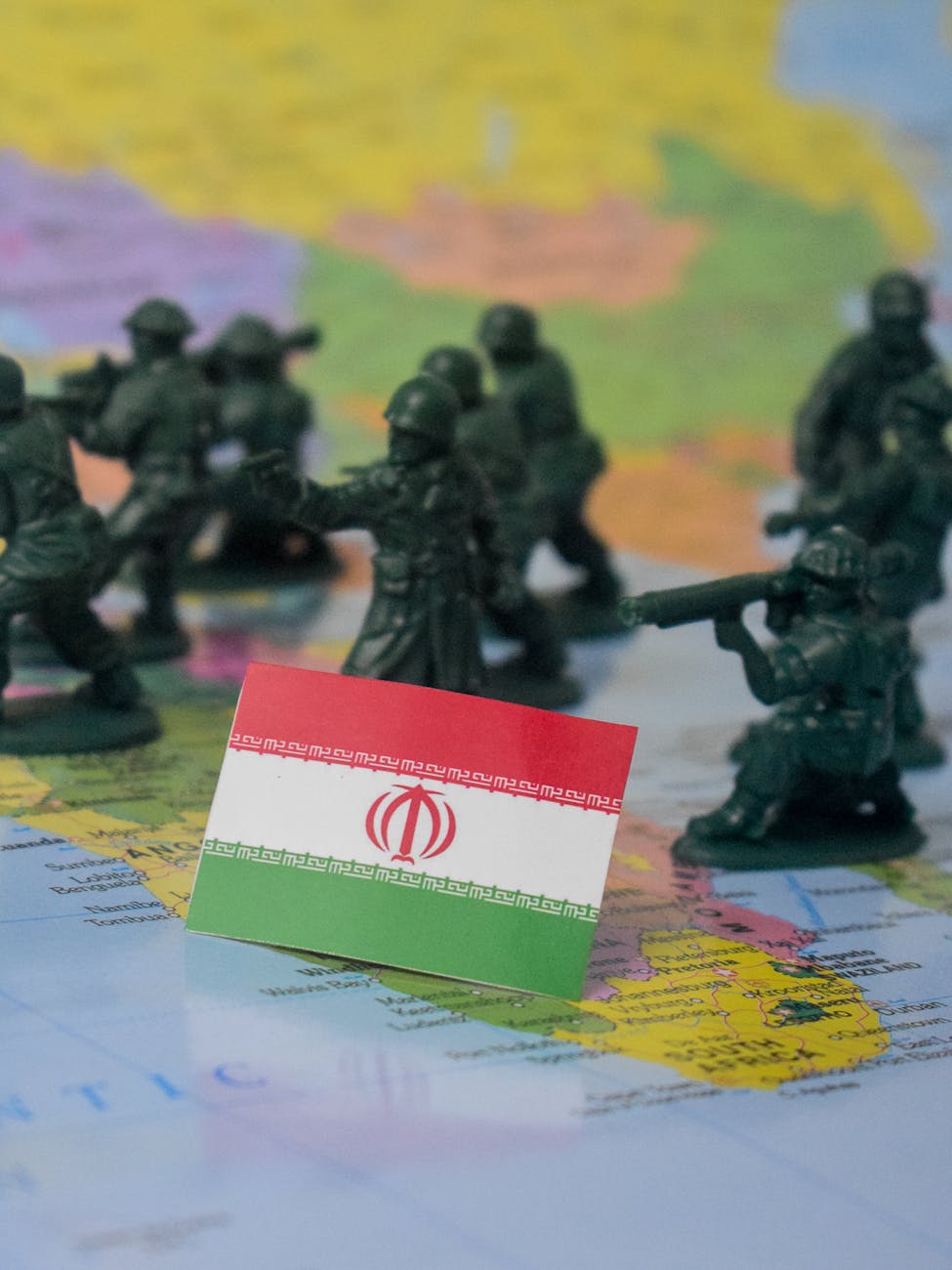
- Iran’s nuclear program: Tehran’s uranium enrichment to 60% (near weapons-grade) terrifies Sunni Turkey
- Israel’s undeclared arsenal: Estimated 80-400 warheads create strategic imbalance
- Russia’s Black Sea presence: Post-Ukraine invasion, nuclear saber-rattling unnerves NATO’s southeastern flank
2. Domestic Politics and Legacy-Building
Erdoğan’s “century of Turkey” vision demands great-power status. Nuclear capability would cement his legacy alongside Atatürk’s republic-founding and his own neo-Ottoman revival.
3. NATO Frustrations
- U.S. weapons at Incirlik symbolize alliance dependence
- Greece’s F-35 program (without Turkish approval) stings
- S-400 purchase from Russia already strained NATO ties
4. Global Non-Proliferation Fatigue
India, Pakistan, Israel, and North Korea acquired nukes despite international opposition. Turkey notes the double standard: permanent five NPT states (U.S., Russia, China, France, UK) face no penalties.
Technical Feasibility: Could Turkey Actually Build the Bomb?
Short answer: Yes, with 3-5 years and $5-10 billion.
Turkey’s Starting Points:
text✅ Plutonium production reactor (planned research reactor)
✅ Uranium enrichment experience (civilian program)
✅ Missile delivery systems (Bora/Khan missiles: 280km range)
✅ Nuclear engineers (2000+ trained abroad)
❌ Weapons-grade material (needs 5-10kg HEU/plutonium per bomb)
Fastest Path: Plutonium reprocessing from spent civilian reactor fuel. Akkuyu Nuclear Power Plant (Russian-built) provides cover for dual-use technology acquisition.
Weaponization Timeline:
- Phase 1 (1 year): Enrich uranium to 20% (medical isotopes pretext)
- Phase 2 (2 years): 90% weapons-grade HEU production
- Phase 3 (1 year): Implosion device, warhead miniaturization
- Total: 4 years to first 5-10 warheads
Delivery: Modified F-16s initially; Jericho-style ballistic missiles by decade’s end.
International Firestorm: Reactions and Risks
Immediate Backlash:
text🇺🇸 UNITED STATES: "Unacceptable" - State Department
🇮🇱 ISRAEL: "Existential red line" - Defense Minister
🇷🇺 RUSSIA: "Supports Turkish sovereignty" (stirring NATO pot)
🇩🇪 GERMANY: NPT withdrawal threat
🇸🇦 SAUDI ARABIA: Watching closely (own nuclear program active)
NATO Crisis: Nuclear-sharing states (Belgium, Germany, Italy, Netherlands) would face U.S. pressure to remove American weapons. Greece might demand nukes too.
Regional Domino Effect:
- Saudi Arabia accelerates Pakistani bomb purchase
- Egypt revives 1960s nuclear weapons program
- Greece seeks French nuclear umbrella extension
U.S. Dilemma: Leverage vs. Loss
Washington confronts three bad options:
Option A: Cut Turkey Loose
- Remove Incirlik nukes → Russia gains Black Sea advantage
- Arms embargo → S-400 purchase becomes S-500
- NATO exit pressure → Article 5 credibility suffers
Option B: Maximum Pressure
- F-35 expulsion (already done)
- CAATSA sanctions escalation
- Patriot missile denial
Option C: Sweetheart Deal
- Upgrade B61 bombs to B61-12 (more yield, accuracy)
- Joint missile defense expansion
- F-16V sales (offsets F-35 loss)
Economic Realities: Can Turkey Afford the Bomb?
$8-12 billion over 5 years strains Turkey’s $1.1 trillion economy (40% inflation, lira devalued 85% since 2018). Defense spending already consumes 2.1% GDP ($25 billion).
Opportunity Costs:
- Earthquake reconstruction ($100B needed)
- Energy crisis (natural gas prices tripled)
- Youth unemployment (22% under 25)
Nuclear weapons would require Russian/Chinese financing—deepening Putin’s Mediterranean foothold.
Strategic Calculus: Bomb or Bluff?
Arguments FOR Turkish nukes:
- Iran deterrent (existential threat)
- Great power status
- NATO independence
- Domestic popularity boost
Arguments AGAINST:
text💰 $10B+ opportunity cost
⚠️ NATO expulsion risk
🌍 Regional arms race
🇺🇸 U.S. security guarantee loss
Most Likely Scenario: Nuclear latency. Turkey builds dual-use infrastructure (enrichment, reprocessing) but stops short of testable weapon. Iran breakout time becomes Turkish breakout time: 6-12 months.
Global Implications: Non-Proliferation’s Southeast Anchor Crumbles
Turkey’s gambit tests NPT Article IX enforcement. If Ankara succeeds, the treaty collapses:
Domino Chain Reaction:
text2026: Turkey enriches to 20%
2028: Saudi buys Pakistani bomb
2030: Egypt tests
2032: Algeria, Indonesia proliferation
The Middle East becomes South Asia 2.0: every Sunni state needs balancing nukes.
Washington’s Red Line—or Lack Thereof
Ultimately, America faces a binary choice: accommodate Turkish nuclear hedging or risk NATO’s southeastern anchor. Erdoğan’s betting on U.S. strategic myopia: too focused on China, too war-weary for confrontation.
Three Signals Washington Should Send:
- Deploy second U.S. carrier to Eastern Mediterranean (credibility)
- F-35 delivery halt to any proliferator (deterrence)
- NATO nuclear posture review excluding Turkey (punishment)
Prediction: Turkey gains nuclear option by 2030, weapon by 2035. Incirlik nukes stay until first Turkish test—then rapid withdrawal.
The world just got one step closer to ten new nuclear states by mid-century. Turkey isn’t waiting for permission.