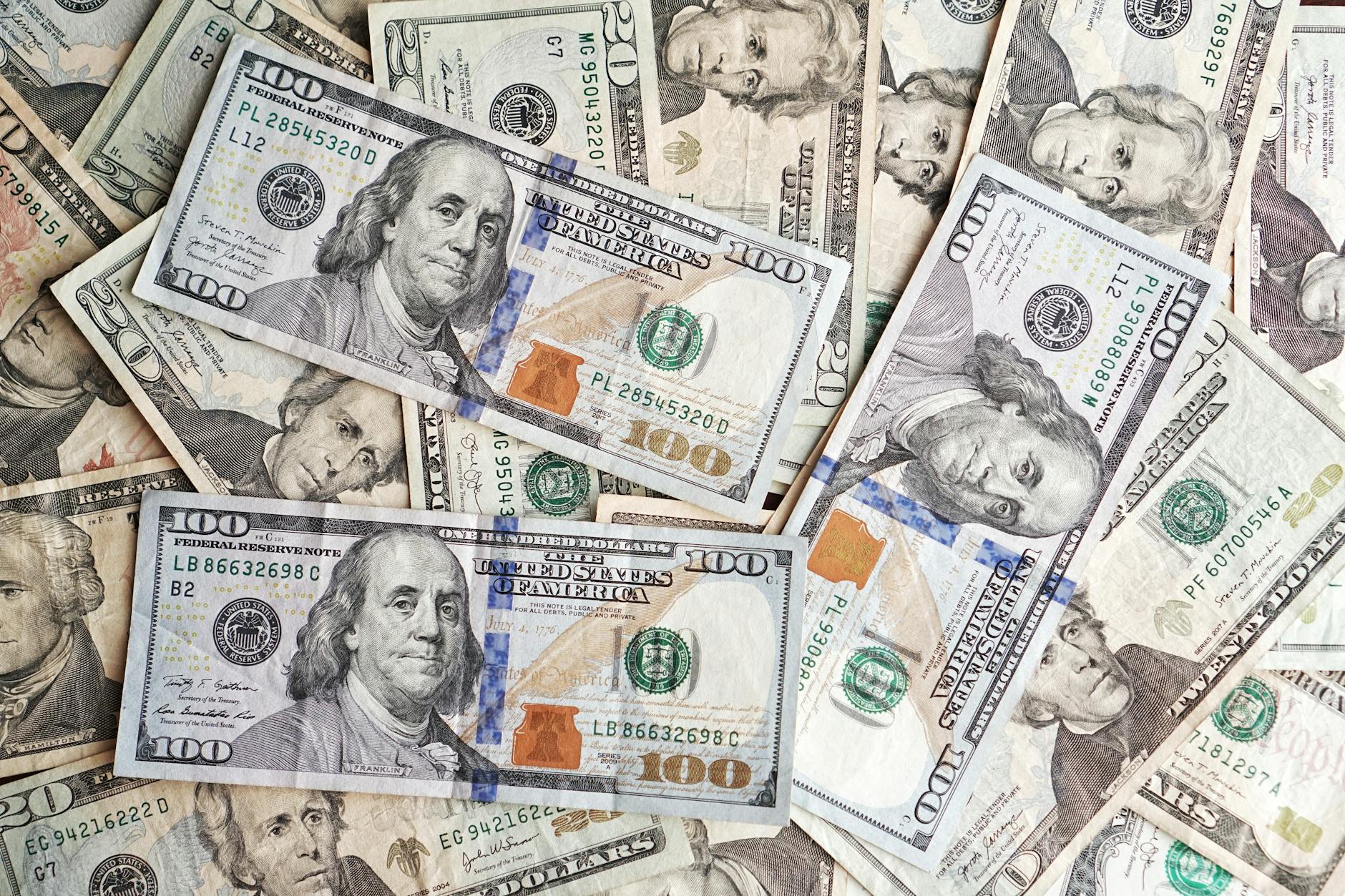



In March 2026, consumer prices in the United States surged to 3.3%, marking the highest inflation rate in two years, according to data released by the Bureau of Labor Statistics (BLS). The sharp rise has been largely attributed to escalating global tensions following the conflict in Iran, which has disrupted energy markets and revived fears of a broader price crisis.
The Consumer Price Index (CPI) recorded a monthly increase of 0.9%, the steepest jump since May 2022—a time when global markets were reeling from the early impacts of Russia’s invasion of Ukraine. The March spike represents a sudden acceleration after a modest 0.3% rise in February, suggesting renewed volatility throughout the economy.
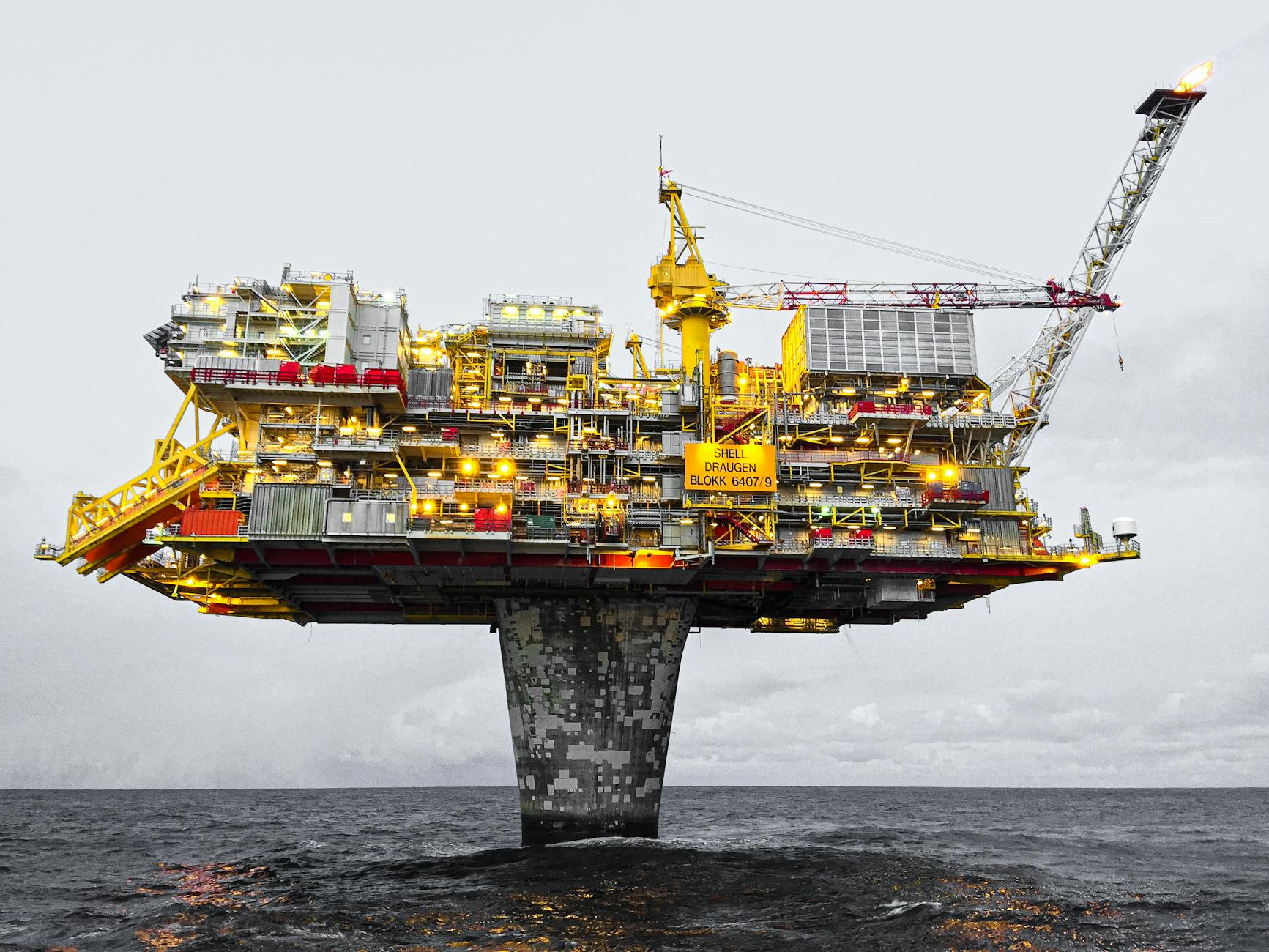
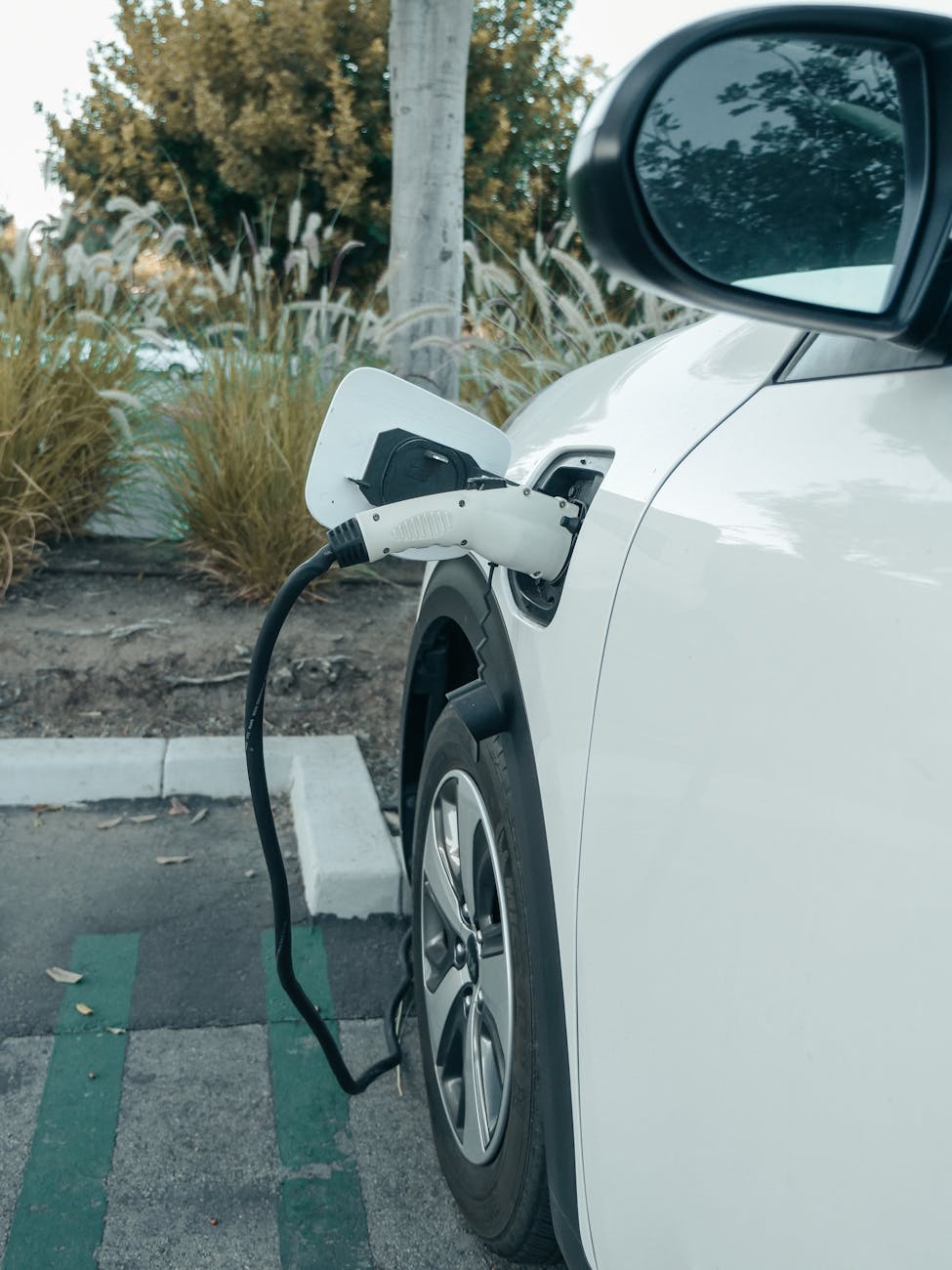
Energy costs were the main driver of this surge. The overall energy index rose 10.9%, while gasoline prices skyrocketed by 21.2%, the highest monthly increase since records began in 1967. Diesel prices followed suit, climbing 30.7%, the largest one-month gain since 2000. The BLS noted that fuel costs alone accounted for nearly three-quarters of the total rise in consumer prices last month.
Beyond energy, inflation also rippled across several sectors. Notable increases were recorded in airfares, clothing, furniture, home maintenance, education, and new vehicle prices, reflecting broader cost pressures. However, some items saw relief, including medical care, personal care products, and used vehicles, which experienced slight price declines in March.
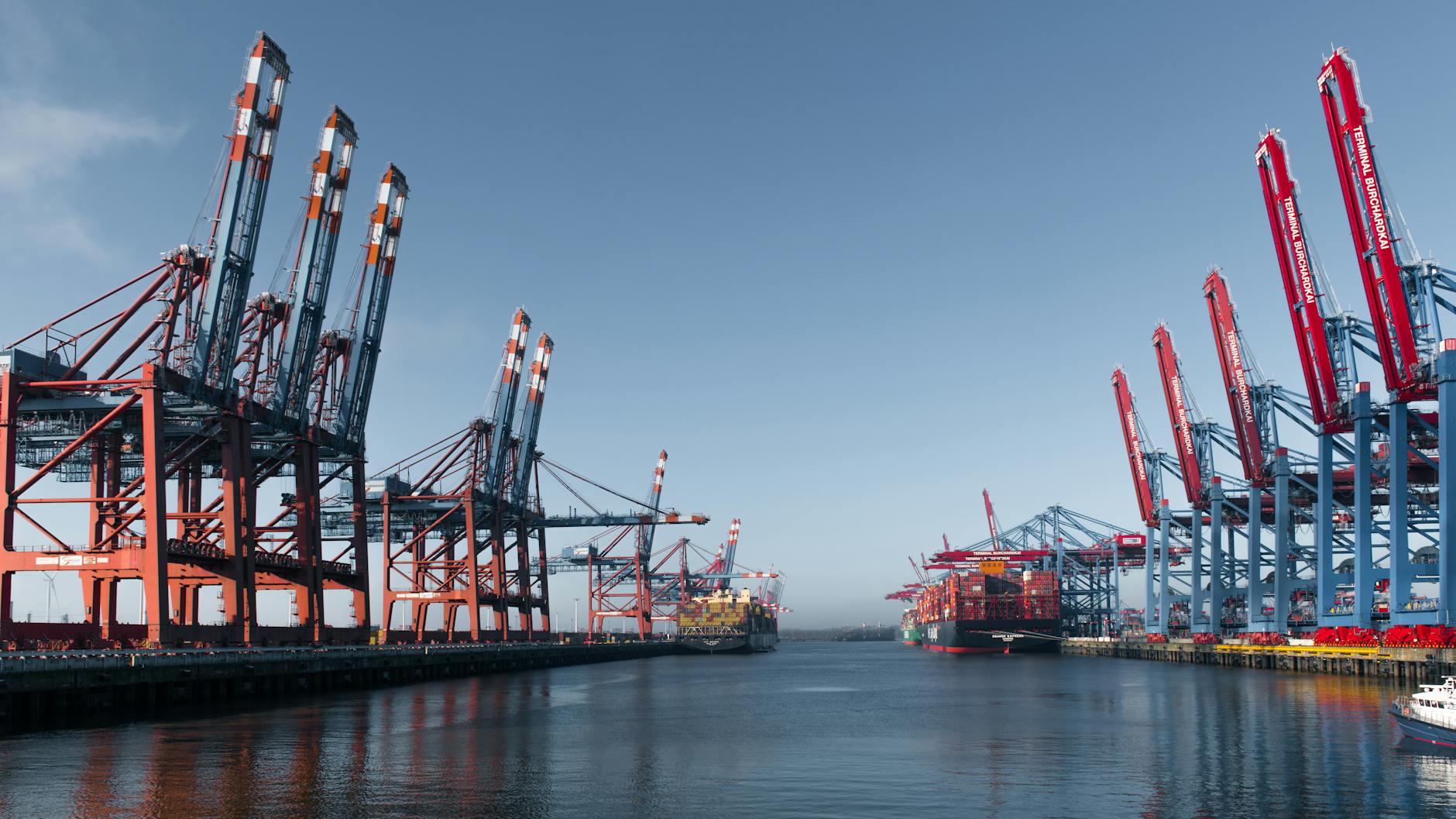
Economists warn that these developments could complicate decisions for central banks already navigating the delicate balance between curbing inflation and avoiding recession. With missile strikes over Tehran intensifying global supply disruptions, analysts believe inflation might stay elevated through the second quarter of 2026 unless energy prices stabilize.