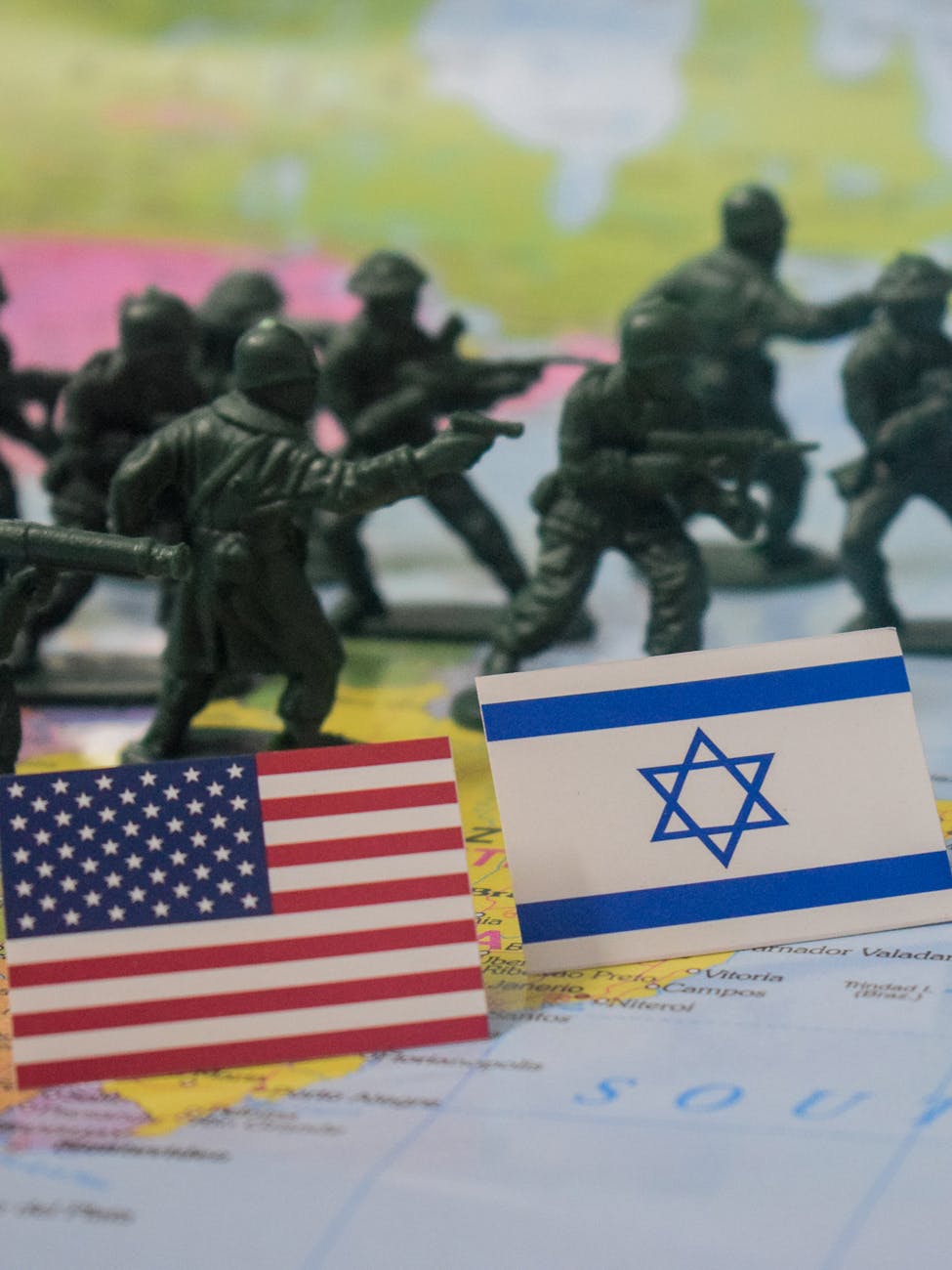


There is a growing but still minority movement of U.S. service members who oppose Washington’s military support for Israel and, in some cases, are trying to leave the armed forces or refuse participation on moral grounds. At the same time, U.S. political leaders repeatedly state they do not plan to deploy large numbers of American ground troops directly to Israel or Gaza, which shapes how this dissent plays out.
A Quiet Wave of Dissent
Several U.S. airmen and officers have publicly sought conscientious objector status, explicitly citing the war in Gaza and U.S. support for Israeli military operations as incompatible with their ethics or faith. They describe a “moral breaking point,” saying they cannot wear the uniform while feeling complicit in what they view as mass atrocities against civilians.
- Air Force members like Larry Hebert and Juan Bettancourt have filed formal applications to be recognized as conscientious objectors, using long‑standing procedures first shaped during the Vietnam era.
- Advocacy groups such as the Center on Conscience and War report a sharp increase in contacts from soldiers asking how to refuse service related to Gaza and the broader Middle East escalation.
Structural Limits and Real Risks
The U.S. military allows conscientious objection on religious or deeply held moral grounds, but the process is slow, adversarial, and far from guaranteed. Service members who speak out risk career damage, social isolation in their units, and even legal consequences if they disobey orders.
- Many troops privately oppose U.S. policy but are afraid to voice it, believing dissent is effectively forbidden inside the chain of command.
- Some, like Defense Intelligence Agency officer Harrison, chose to resign in protest rather than continue supporting what they see as an unjust policy.
Political Backdrop: Support for Israel, No “Boots on the Ground”
Top U.S. officials consistently insist there are no plans to send American ground troops to fight in Israel or Gaza, even as Washington supplies weapons, intelligence, and diplomatic cover. This creates a paradox: service members feel implicated in the conflict, even when they are not literally being deployed to the front.
- The White House and Pentagon emphasize that Israel is responsible for ground operations, while the U.S. role focuses on arms deliveries, missile defense systems, and regional deterrence.
- Critics inside the military say that “indirect” support still makes them part of a war they consider morally indefensible.
From Individual Refusal to Collective Pressure
The resistance of these soldiers is part of a wider wave of U.S. government dissent over Gaza, including hundreds of civil servants and political appointees who have signed letters demanding a ceasefire and an end to unconditional military aid. For some uniformed personnel, this civilian pushback provides moral backing for their own refusal.
- Internal letters from federal employees argue that current policy may violate U.S. and international law, strengthening the argument that participation in the war effort is not just immoral but potentially illegal.
- Veterans’ organizations are reviving “appeal to redress” campaigns, echoing tactics used during the Iraq War to help active‑duty troops express opposition to U.S. policy.
A Shift in Soldier Consciousness
Advocates for conscientious objectors describe a generational shift: many younger Americans in uniform grew up with images of Iraq, Afghanistan, and now Gaza, and are less willing to accept “following orders” as a moral shield. They talk about war not as an abstract strategy problem, but as a daily question of personal responsibility.
- Some point to extreme acts like the self‑immolation of airman Aaron Bushnell outside the Israeli embassy as tragic evidence of how far this moral conflict can go.
- Others hope that every successful objection, every resignation, and every public testimony will make it easier for the next service member to say “no” to a war they cannot in conscience support.