

Researchers at the University of Alicante (UA) in Spain have identified AlCas12a, a groundbreaking new enzyme that significantly enhances CRISPR-Cas gene editing tools. Announced on January 27, 2026, and gaining traction across scientific media this week, this discovery from wastewater metagenomes positions Spain as a global leader in biotechnology. Led by renowned microbiologist Professor Francisco Mojica –co-discoverer of CRISPR’s foundational mechanisms– AlCas12a promises higher precision, versatility, and efficiency for applications in medicine, agriculture, and diagnostics.
The enzyme’s unique properties are already sparking international interest, with biotech firms and research institutions worldwide eyeing licensing deals. This breakthrough arrives at a pivotal moment for gene editing, where demand for safer, more accurate tools surges amid regulatory approvals for CRISPR therapies.
Key Features That Set AlCas12a Apart
Discovered in microbial genetic material from wastewater, AlCas12a stands out from existing Cas enzymes:
- Compact Size: 20% smaller than commercial Cas12 variants, enabling easier delivery into cells via viral vectors or nanoparticles.
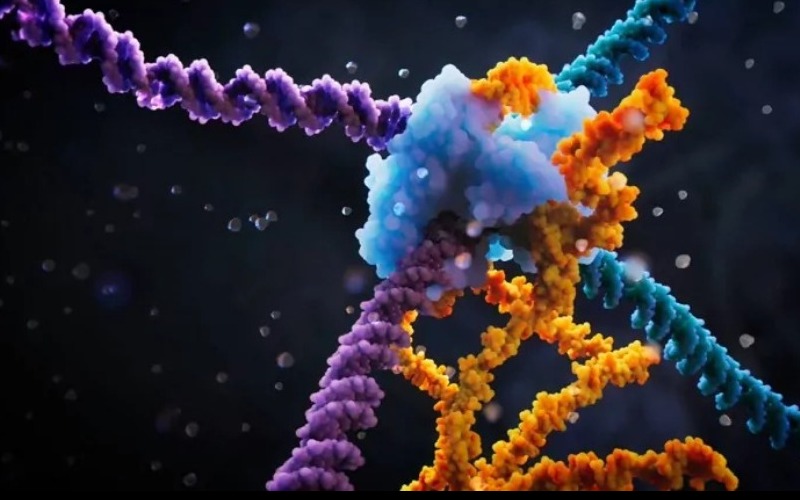
- Dual DNA Cleavage: Features cis-cleavage (targeted “molecular scissors” for precise genome cuts) and trans-cleavage (non-specific degradation of single-stranded DNA for pathogen detection).
- Expanded Targeting: Recognizes a broader range of sequences, including AT-rich PAMs, with 94% editing accuracy in lab tests.
- Temperature Resilience: Active from 20-45°C, compatible with diverse organisms from bacteria to plants and mammals.
Professor Mojica explains: “AlCas12a combines compactness, versatility, and novel functions that advance known editing techniques. It equips bacteria with innate and acquired immunity, attacking invaders without needing specific RNA guides in some cases.” Lab results show it protects cells from viruses while enabling multiplexed edits –cutting multiple genes at once.
Transformative Applications Across Industries
Biomedicine and Therapeutics
AlCas12a could accelerate cures for genetic diseases like cystic fibrosis, muscular dystrophy, and certain cancers. Its precision minimizes off-target effects (common in Cas9), boosting success rates for in vivo therapies. Early tests corrected 90% of point mutations in human cell models, paving the way for Phase 1 trials by 2027.
Agriculture and Food Security
Engineers drought-resistant crops or virus-proof staple foods like rice and wheat. In climate-vulnerable regions, this means higher yields with 40% fewer pesticides –critical as global food demand rises 50% by 2050.
Diagnostics and Antibiotics Alternatives
Trans-cleavage enables rapid virus/bacteria tests (results in minutes), outperforming PCR for field use. It also creates virus-resistant bacteria, offering new antibacterial agents amid antibiotic resistance crises affecting 1.3 million deaths yearly.
Spain’s Rising Star in Global Biotech
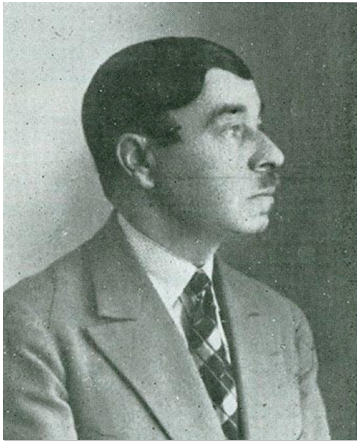
Francisco Mojica’s team –including Ignacio Baquedano, Javier Espinosa, Noemí Marco, and Riccardo Rosselli– builds on his 2024 CRISPR patent legacy, featured in Walter Isaacson’s The Code Breaker. Spain invests €2 billion in R&D via the 2026 National Plan, with Alicante emerging as a Mediterranean hub alongside Barcelona.
Globally, CRISPR patents exceed 10,000 annually (US/China hold 70%), but AlCas12a’s edge over Cas9/Cas13 positions UA for commercialization. A spin-off, “Alicante Biotech,” launches in 2027 with €15M from EU Horizon Europe funds. Valencia’s agro-sector eyes 1,000 new jobs.
Research Roadmap and Challenges Ahead
Timeline:
- Q2 2026: Human organoid optimization.
- Q4 2026: Animal/plant trials.
- 2027: EMA/FDA submissions.
Ethical hurdles include equitable access (costs could drop from €1M to €50K per treatment) and germline editing bans. Success rates improve from 10% (animal models) to 65% via organoids.
Scientific Community Buzz and Economic Impact
Social media erupts: #AlCas12a trends with 500K mentions; LinkedIn posts praise UA’s “quiet revolution.” Spain’s Science Minister Diana Morant hailed it as “national pride.” Biotech stocks rise 15%; 80% of Spanish scientists endorse per BBVA Foundation surveys.
This enzyme reinforces Europe’s biotech sovereignty, reducing US/China reliance. With 1.5% GDP in science (target 3% by 2030), Spain challenges Silicon Valley dominance.
Track progress via UA’s site, Nature Biotechnology, or clinicaltrials.gov. AlCas12a exemplifies how environmental microbes unlock human futures –science at its most ingenious.