


A high‑level delegation of American companies touring the Guangdong‑Hong Kong‑Macao Greater Bay Area (GBA) has sent a clear signal: many U.S. firms still see China, and the GBA in particular, as a key growth market. The visit, led by the U.S.‑China Business Council (USCBC), was the largest and highest‑level delegation the group has ever sent to Guangdong, covering Guangzhou and Shenzhen from April 8 to 10, 2026.
The delegation included executives from major U.S. corporations such as Procter & Gamble, Pfizer, General Electric, Carrier, Cargill, and Cisco, representing sectors like biomedicine, information technology, finance, consumer goods, and advanced manufacturing. By bringing together so many influential players, the trip highlighted not just interest, but a deeper strategic bet on the region’s long‑term economic evolution.
Sean Stein, president of the USCBC, said the goal was to introduce more U.S. firms to the GBA’s policies and its business‑friendly environment. He emphasized that Guangdong has moved beyond being just a low‑cost manufacturing base or a one‑dimensional market; it is now a platform that foreign companies can use to strengthen their global competitiveness through innovation, supply‑chain efficiency, and fast access to consumers. That description matches what many foreign investors are already seeing: faster product development cycles, strong local talent, and a supportive policy framework in the region.
Senior executives from U.S. firms operating in China echoed this view. Cao Shan, vice president of corporate affairs and communications for Medtronic Greater China, said the company wants to move from being a foreign investor to a co‑builder of China’s local innovation ecosystem, especially via pilot policies in Guangdong such as regulatory experiments and technology‑driven health projects. Meanwhile, Pang Xiongying, vice president of Westlake Corporation, pointed to Guangdong’s mature consumer market and advanced automotive industry as engines that can help scale artificial intelligence‑driven hardware and industrial systems worldwide.
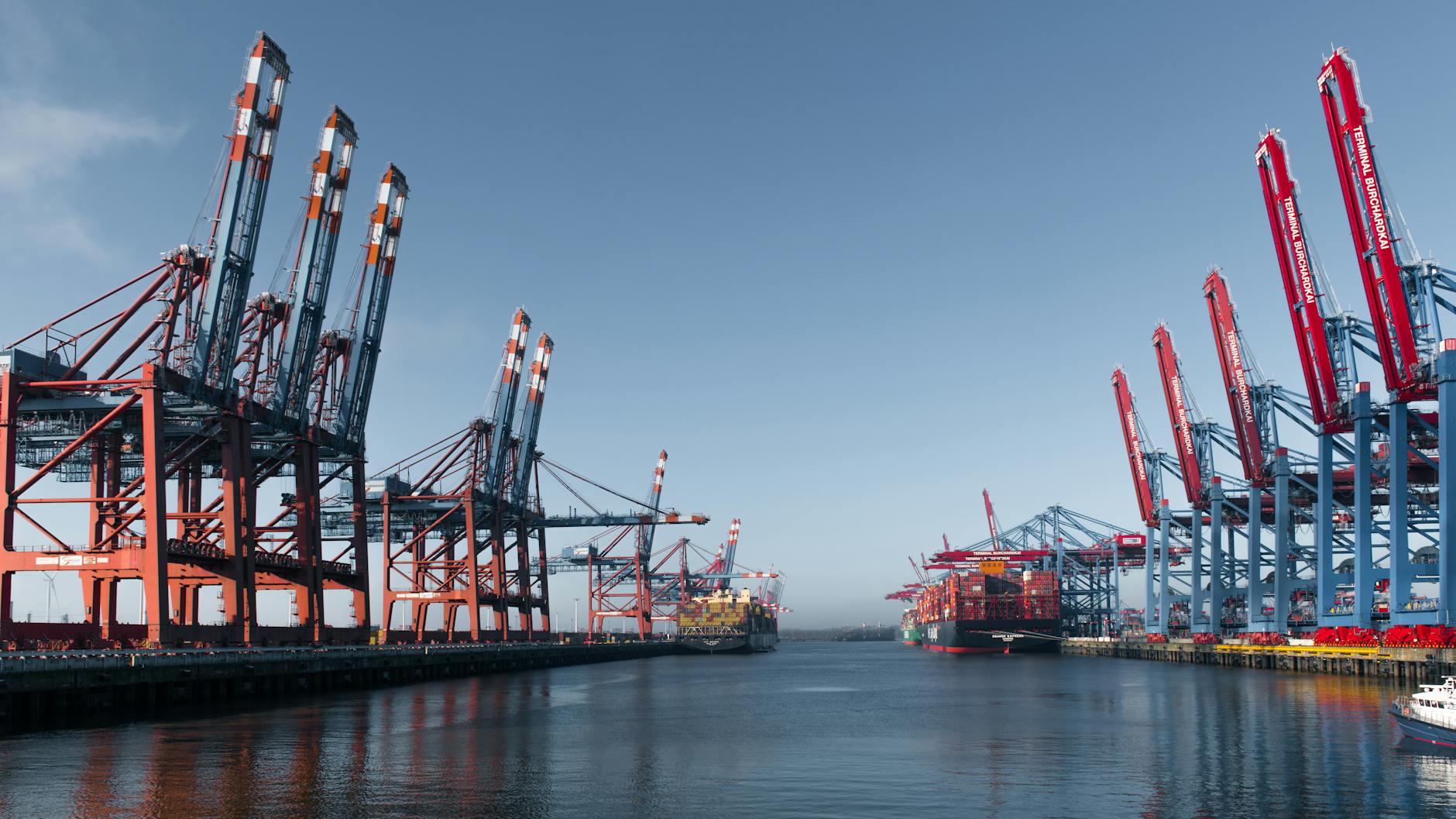
The GBA’s role as a magnet for global business is growing. As one of China’s most open and economically dynamic regions, it combines deep‑water ports, major airports, advanced telecom networks, and a dense cluster of tech parks and financial centers across Guangdong, Hong Kong, and Macao. Surveys of foreign companies, including American chambers of commerce, show that a large share of firms still plan to stay in or expand within China, often citing the GBA’s advantages in market access, logistics, and proximity to Hong Kong and Macao.
For U.S. firms, the visit was a chance to move beyond political headlines and focus on concrete opportunities. It underlined that, despite tensions in the broader bilateral relationship, many American companies continue to see China—and the GBA—as too large, too innovative, and too integrated into global value chains to walk away from. In that context, the USCBC‑led trip reads less as a one‑off event and more as a sign that U.S. business is quietly doubling down on a future shaped by selective, but still substantial, engagement with the Chinese economy.