
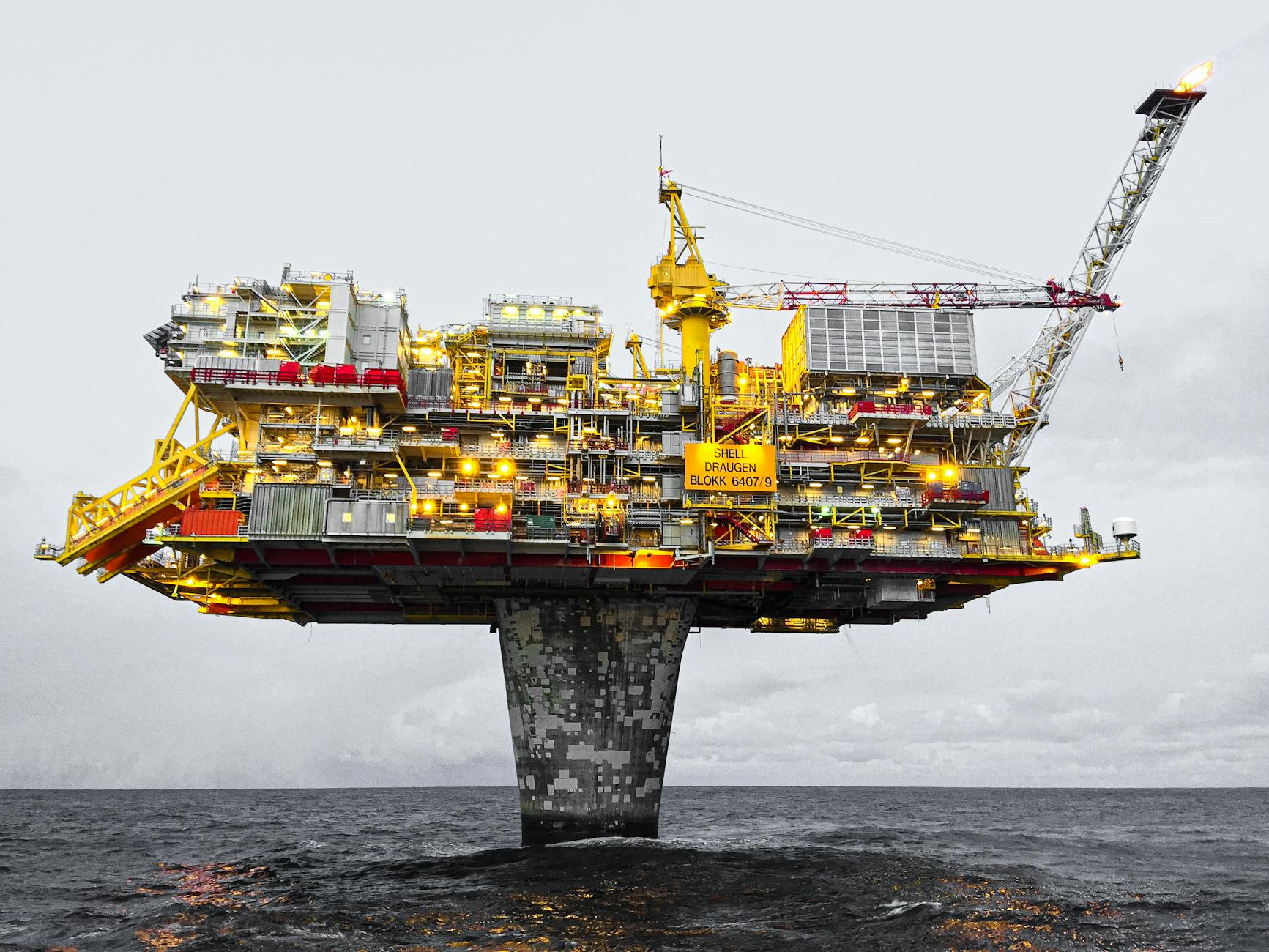
The recent turmoil in the energy markets feels like a grim reminder of how fragile the global system really is. Oil and gas are not just numbers on a trading screen — they are the lifeblood of economies, shaping everything from food prices to political stability. Now, with the new conflict shaking the Gulf region and Iran signaling aggression under its new leadership, uncertainty has turned into sheer panic.
What makes this moment even more tense is how it exposes the world’s dependence on political moods and personal egos. A few words from President Trump, a speech from Tehran, a drone strike — and billions are wiped from markets in hours. Europe, desperate to protect consumers and industry, floats ideas like price caps and emergency regulations, yet none of these solve the deeper problem: our energy system still hinges on geopolitical hotspots and fossil volatility.
The message from Iran’s new leader, Mojtaba Jamenei, adds another layer of fear. Promises to “keep the Strait of Hormuz closed” sound like threats to the arteries of global trade. Even without seeing his face, the world has already felt his presence through skyrocketing prices and nervous diplomacy.
It’s unsettling to realize how quickly we return to old patterns. Just when discussions about renewable independence seemed to gain traction, the fossil fuel chessboard pulls us back in. Perhaps the real lesson here isn’t only about energy security but about how fragile global cooperation has become — when one narrow passage in the Gulf can hold the planet’s stability hostage.