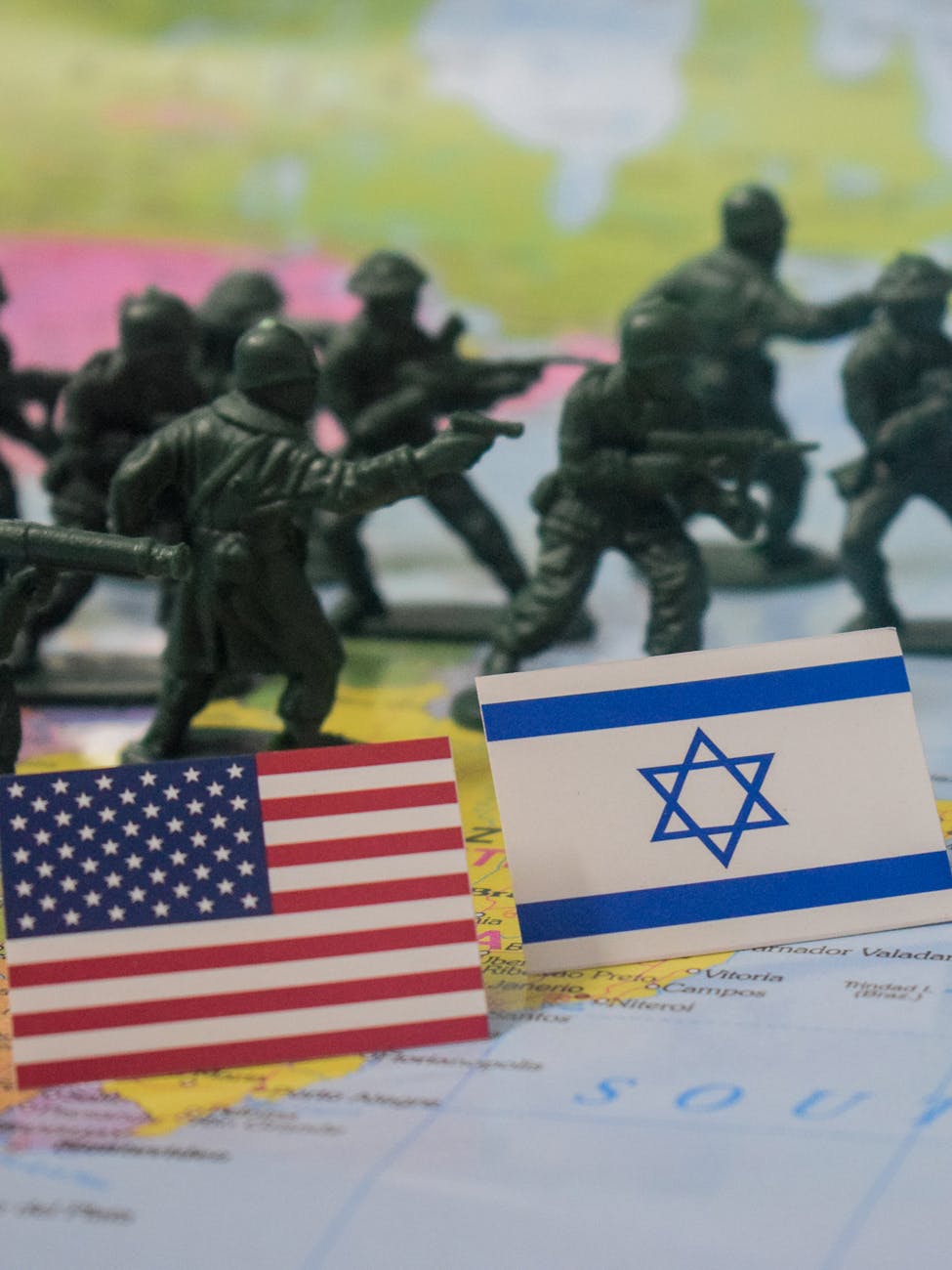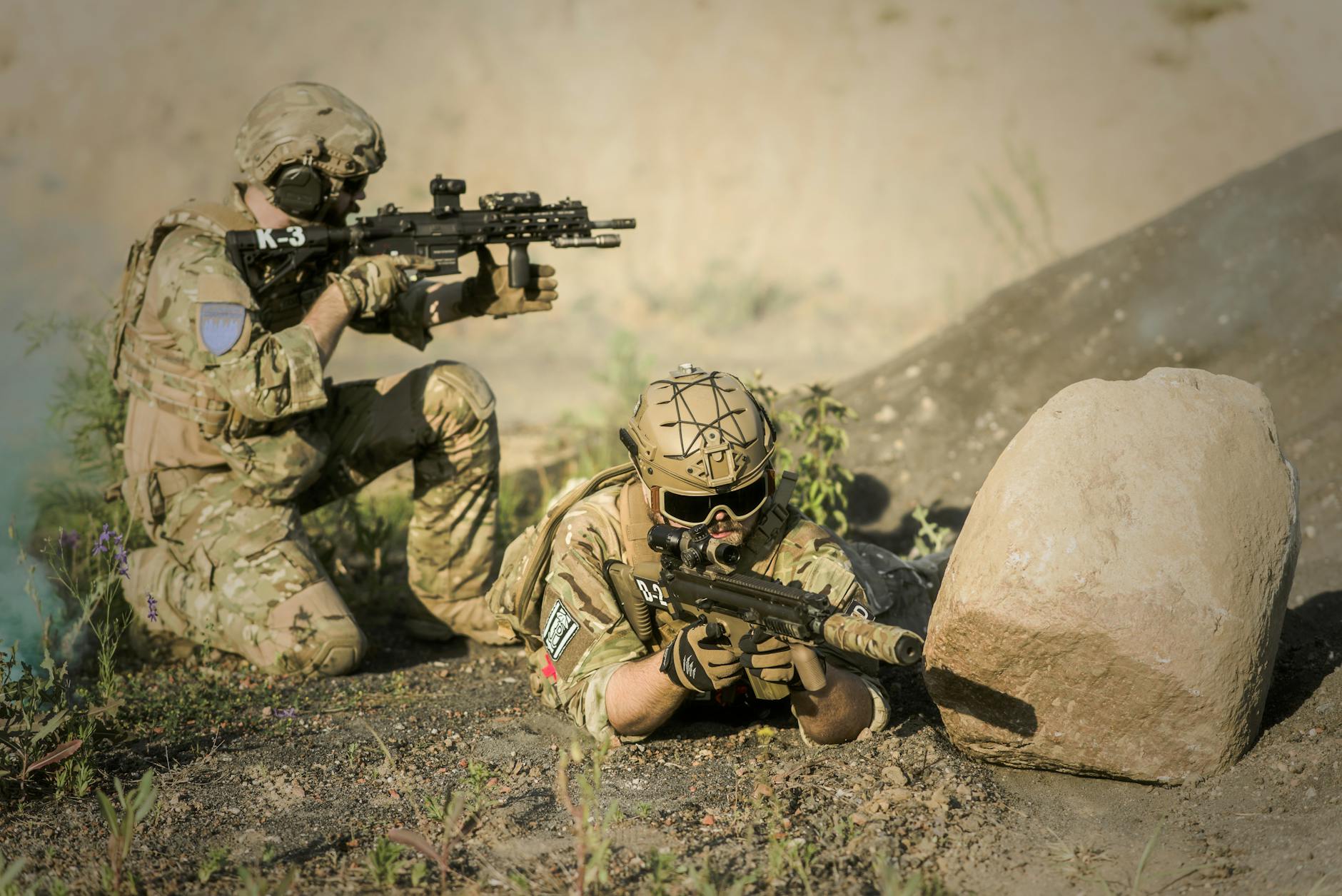


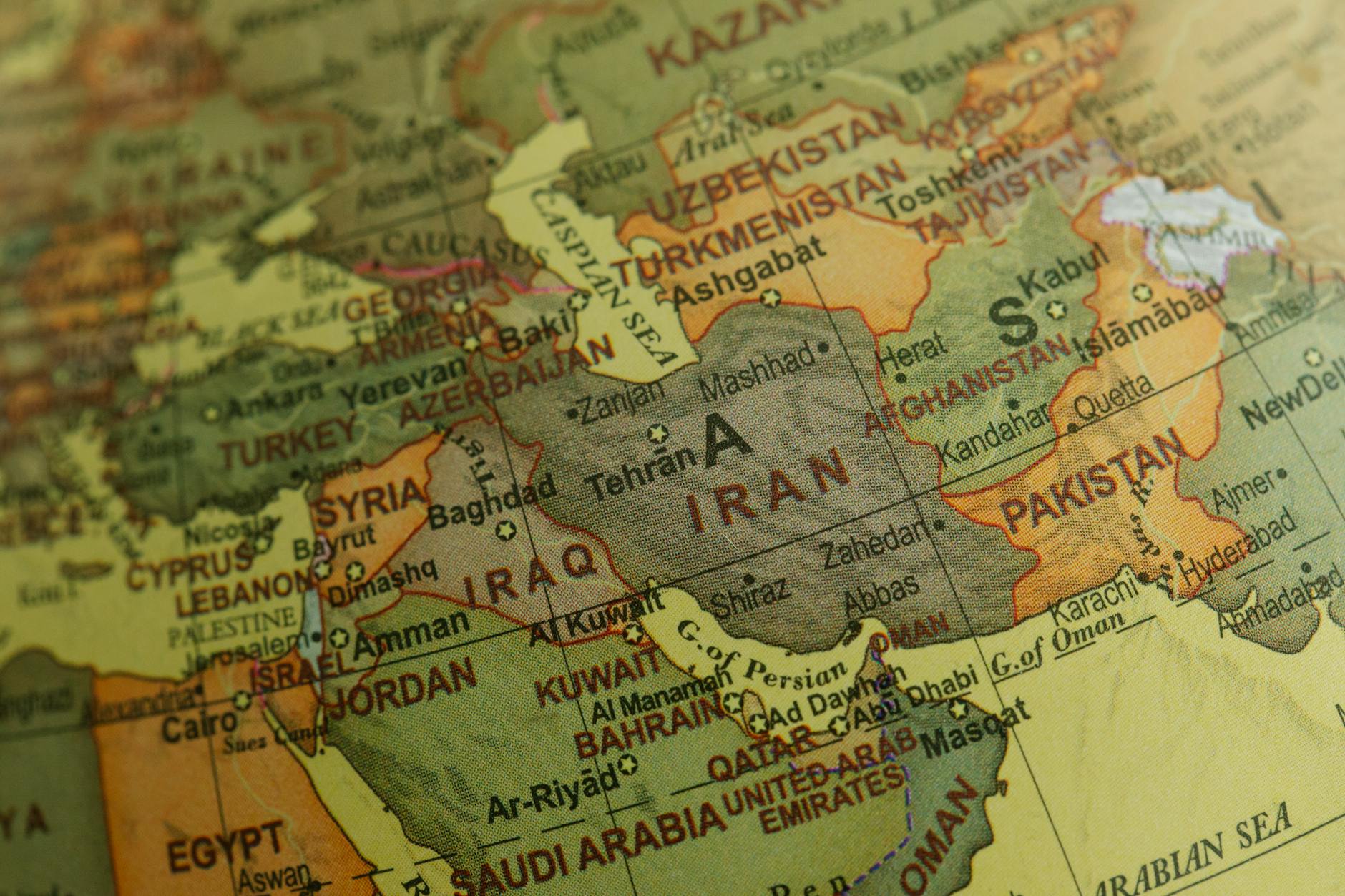
Iran’s war is no longer a contained confrontation; it is a regional shockwave pulling in almost every country that shares a border or coastline with it. Each neighbour faces a different mix of fear, opportunity and pressure from the United States, Israel and global markets, and that shapes how they act. This overview maps out the key players around Iran and what each of them wants from the conflict.
Turkey: Strategic Balancer on a Fragile Border
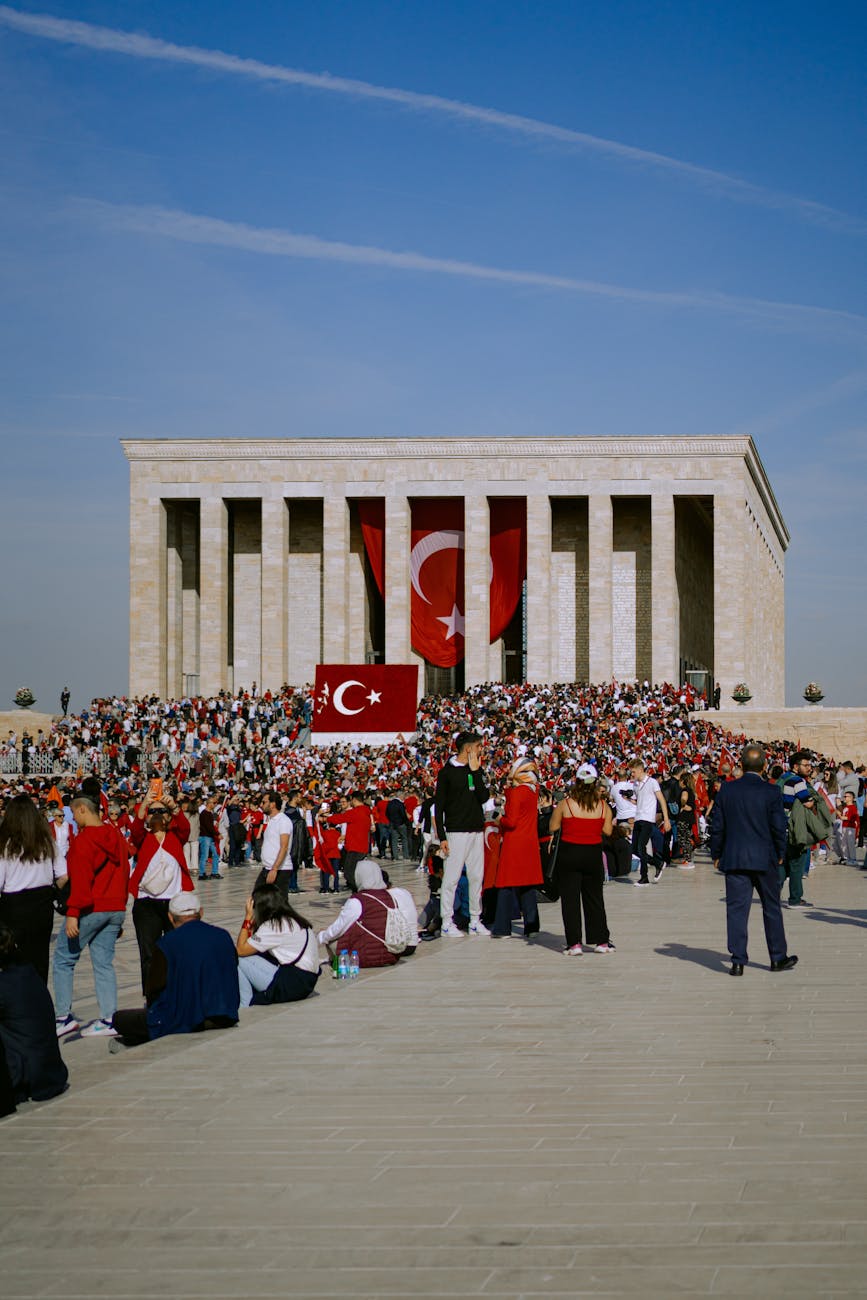
Turkey shares a long land border with Iran and arguably has more levers over the crisis than any other neighbour. Ankara and Tehran are rivals but also partners: they trade energy, coordinate at times on regional security, and share a strong interest in containing Kurdish separatist movements.
Turkey’s core interests are:
- Preventing the war from spilling into its territory or empowering Kurdish groups along the border.
- Maintaining energy flows from Iran while keeping good terms with Western allies, especially the United States.
- Positioning itself as an indispensable mediator and security actor in any post‑war regional order.
Ankara’s approach mixes public condemnation of strikes with quiet back‑channel contacts to all sides, keeping its stance deliberately ambiguous so everyone needs Turkish cooperation. A weakened but intact Iranian state suits Turkey better than outright collapse, which could unleash refugees, militias and border chaos.
Iraq: Front-Line Buffer and Battleground
To Iran’s west, Iraq is simultaneously a partner, client state and buffer zone. Tehran has deep influence in Iraq through political allies and militias, and Iraqi territory has long been used as a corridor for Iranian supplies and operations.
In this war, Iraq’s interests include:
- Avoiding becoming a permanent battlefield for U.S.–Iran and Israel–Iran strikes.
- Preserving its fragile political stability and oil exports.
- Managing powerful Iran‑aligned militias without triggering a domestic civil conflict.
Iranian and U.S. assets in Iraq have already been targets in the wider confrontation, and Baghdad is under intense pressure from all sides to either restrict or tolerate foreign military activity on its soil. Iraq’s government publicly calls for de‑escalation, but in practice struggles to control the full spectrum of armed actors linked to Tehran.
The Gulf Monarchies: Targets, Customers and Reluctant Front-Line States
Across the Gulf, several Arab monarchies sit within missile range of Iran and host major U.S. bases, making them both shielded and exposed. Their positions differ in style, but their interests are surprisingly aligned.
Saudi Arabia
Saudi Arabia is Iran’s main Sunni rival and a central pillar of the Gulf security system. After years of hostility, Riyadh restored relations with Tehran in 2023, but the war has tested that fragile détente.
Saudi interests are:
- Protecting critical oil infrastructure from Iranian missiles and drones.
- Preventing a prolonged regional war that devastates energy markets and domestic economic plans.
- Ensuring Iran is weakened, but not so destabilized that collapse spreads chaos across the region.
Riyadh has intensified direct talks with Iran to contain the conflict, even as it quietly backs stronger U.S. and allied defence measures.
United Arab Emirates, Bahrain, Kuwait and Qatar
These states all host U.S. forces and have already been hit or threatened by Iranian missiles and drones aimed at American assets.
Their main goals:
- Avoid direct war with Iran while not abandoning their security partnership with Washington.
- Protect ports, energy facilities and financial hubs that underpin their prosperity.
- Use diplomacy—especially in the cases of Qatar and Oman—to keep channels open to Tehran.
Qatar and Oman, in particular, are seen as potential mediators, having acted as go‑betweens in earlier U.S.–Iran and regional crises. At the same time, repeated missile threats are pushing Gulf states to deepen air and missile defence cooperation, even hinting at quiet coordination with Israel despite the lack of full diplomatic ties in some cases.
Pakistan and Afghanistan: Stability, Borders and Silent Calculations
On Iran’s eastern flank, Pakistan and Afghanistan matter less as direct combatants and more as potential sources of instability and covert activity.
Pakistan
Pakistan shares a long, porous border with Iran, plagued by smuggling, insurgent groups and occasional cross‑border strikes even before the current war. Islamabad’s interests are:
- Avoiding a two‑front crisis while it faces its own political and economic turmoil.
- Preventing militant groups from exploiting the chaos inside Iran or along the border.
- Balancing between its ties to China, the Gulf states and the United States without taking overt sides.
Pakistan is likely to stress neutrality in public while quietly tightening border security and intelligence cooperation with key partners to prevent spillover.
Afghanistan
Afghanistan, under Taliban rule, shares borders with both Iran and Pakistan and faces severe economic and humanitarian crises. Its interests are basic: avoiding more sanctions, refugees and instability, while maintaining access to trade routes and fuel. The Taliban are unlikely to play a large visible role, but any further regional shock could accelerate migration and illicit flows through Afghan territory.
The Caucasus: Azerbaijan and Armenia on the Northern Edge
To the northwest, the South Caucasus has become an extension of the Iran confrontation.
Azerbaijan
Azerbaijan has a complicated relationship with Iran, shaped by ethnic Azeris inside Iran, energy routes and its close strategic ties with Israel. In the context of the war, Baku’s interests are:
- Strengthening its position as an energy supplier to Europe while Iranian exports are disrupted.
- Deepening security cooperation with Israel and potentially Western states.
- Containing any Iranian attempts to stir unrest among Azeris or disrupt transport corridors.
Iran has signalled that it views countries hosting Israeli or U.S. assets as potential targets, and that warning explicitly includes parts of the Caucasus.
Armenia
Armenia, historically closer to Iran than Azerbaijan is, views Tehran as an important economic and political lifeline given its own tensions with Turkey and Azerbaijan. Its interest lies in:
- Preserving stable access to Iranian routes and energy.
- Avoiding being dragged into a wider conflict that could worsen its already precarious security environment.
Yerevan will likely oppose any escalation that turns Iran into a failed state, which would cut a key outlet for Armenian trade.
Oman: Quiet Mediator on the Strait of Hormuz
Oman sits at the mouth of the Strait of Hormuz, the chokepoint through which a large share of the world’s oil and LNG passes. For decades, Muscat has cultivated a reputation as a neutral mediator, maintaining good working relations with both Iran and Western powers.
Oman’s core interests:
- Keeping the Strait open and safe for shipping to protect the global energy system and its own economy.
- Using its diplomatic channels to de‑escalate and preserve regional stability.
- Avoiding direct involvement in hostilities while hosting quiet talks between rivals.
Analysts highlight Oman, alongside Qatar, as uniquely positioned to offer back‑channel communication and crisis management as the war threatens to expand.
“Who Is Who” – Snapshot Table
A Region Caught Between Fear and Opportunity
For almost all of Iran’s neighbours, the war is less about ideology and more about survival, leverage and long‑term positioning. Some, like Turkey and the Gulf monarchies, see an opportunity to increase their strategic value to Washington, Europe and global markets. Others, like Iraq, Armenia and Afghanistan, primarily fear becoming collateral damage if Iran is shattered or the conflict spirals.
What unites them is a desire to avoid a collapsed Iran, a closed Strait of Hormuz and an open‑ended U.S.–Iran–Israel confrontation that locks the region into permanent crisis. How each neighbour balances between deterrence, diplomacy and quiet deals will determine whether this war stays a devastating episode—or becomes the blueprint for a new, more dangerous Middle East order.