

For years, Cuba survived on a fragile mix of state control, external support and a few hard‑currency lifelines like tourism and remittances. That model has now hit a wall. The island’s GDP has fallen sharply in recent years, with estimates pointing to a loss of around 15% over the last five years, and inflation far higher than official figures admit. Daily life reflects that reality: long fuel lines, chronic blackouts and constant improvisation to cover basic needs.
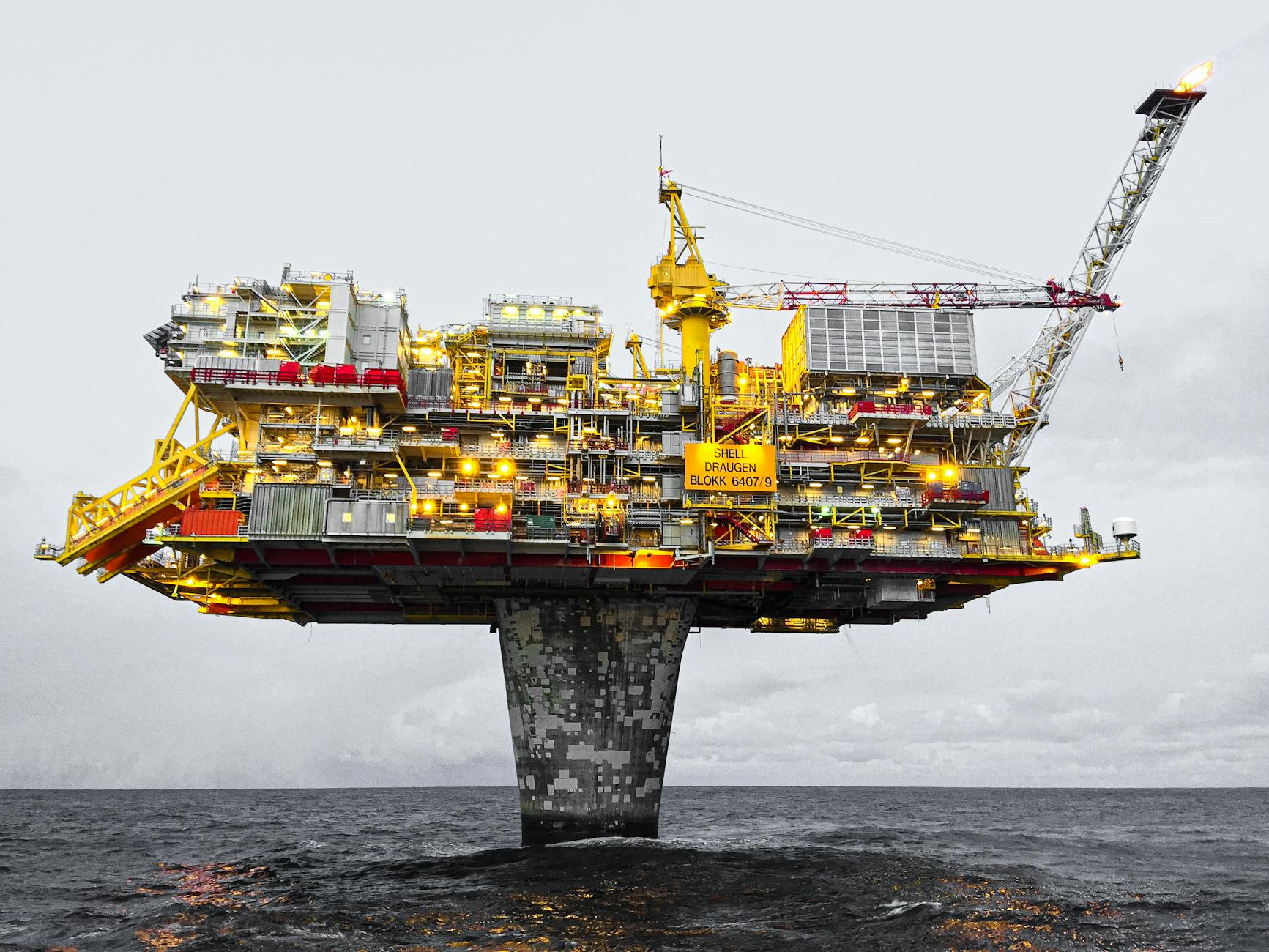
One key driver of the current collapse is an acute energy crisis. Cuba is facing severe fuel shortages, in part because of tighter U.S. sanctions and in part because traditional allies like Venezuela can no longer provide oil as they once did. Without enough fuel, power plants cannot run, public transport slows to a crawl, and businesses—from factories to corner shops—are forced to cut hours or shut their doors. Blackouts that last 12 or 16 hours are not only an inconvenience; they paralyze production and push more people out of the formal economy.
Tourism, long promoted as Cuba’s main engine for earning foreign currency, is also in free fall. After the pandemic, the island never fully recovered visitor numbers, and the current energy crisis has made things worse: airlines cut flights because they cannot reliably refuel, and hotels struggle with power cuts and supply shortages. As other Caribbean destinations rebound, Cuba is experiencing some of its lowest visitor numbers in more than a decade, choking off one of the few steady sources of dollars and euros.
At the same time, Cuba’s productive base is extremely weak. Agriculture underperforms despite fertile land, forcing the country to import much of its food at a time when it has fewer hard‑currency reserves. Industry relies on obsolete technology and has suffered from years of underinvestment, while the government prioritized building hotels over repairing power plants or modernizing factories. The result is an economy that cannot generate enough goods or income to sustain its population, let alone finance meaningful growth.
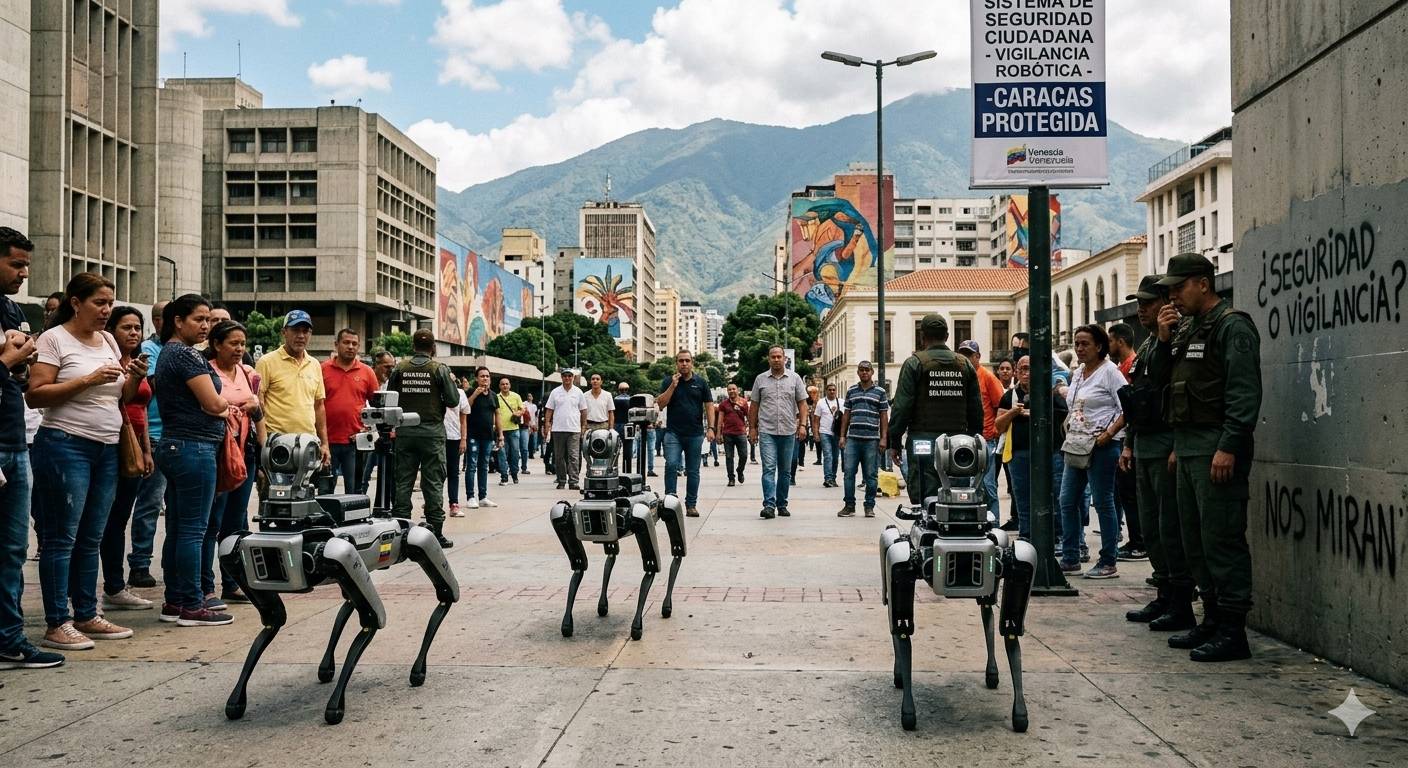
External pressure has made an already fragile situation worse. U.S. sanctions limit access to finance and complicate fuel imports, while the decline of Venezuela’s own economy has shrunk the subsidized oil flows that once kept Cuba’s lights on. Russian and Chinese support is more cautious and transactional than in the past, leaving Havana with fewer reliable partners. But even analysts who criticize sanctions point out that many of Cuba’s problems are home‑grown—rooted in rigid state control, a hostile environment for private initiative and a chronic reluctance to implement deep structural reforms.
For ordinary Cubans, the collapse feels very concrete. Power cuts disrupt schools and hospitals, buses run less frequently, and basic food items are harder and more expensive to find. Many families depend on remittances or small private businesses to get by, but those lifelines are increasingly strained by inflation and shortages. Unsurprisingly, more people are choosing to leave the island, adding a demographic drain to the economic crisis.
Experts on the island and abroad agree that without deep structural reform—opening more space for private enterprise, modernizing infrastructure and stabilizing the currency—there is no easy path out of this downward spiral. There is no “savior” waiting in the wings: not Venezuela, not Russia, not China. Until Cuba can generate enough fuel, food and foreign currency on its own terms, its economy will remain trapped in a cycle of shortages, improvisation and decline.
If you want, I can now turn this into an SEO‑style blog outline with subheadings and keyword ideas tailored to “Why Cuba’s economy is collapsing.”