

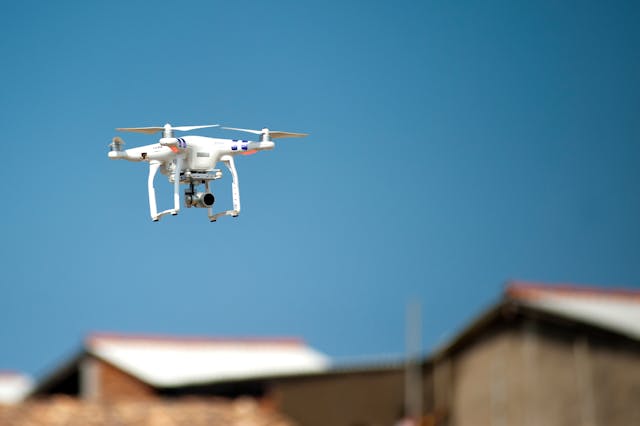
Ukrainian President Volodymyr Zelensky recently pledged specialists and technology to help the US counter Iranian Shahed drones in the Middle East, following a direct request from Washington. This comes as Russia gains ground in eastern Ukraine, with Kyiv facing ammo shortages and stalled counteroffensives. Critics call it a distraction, but Zelensky’s move reveals sharp strategic calculus.
Ukraine’s Unique Edge in Drone Warfare
Over four years, Ukraine has mastered neutralizing Shahed-136 drones—cheap, long-range kamikaze models that Russia deploys nightly, often in swarms of 50+. Kyiv boasts an 80% intercept rate using cost-effective tactics: cheap FPV interceptor drones ($500 each), electronic warfare jammers, mobile anti-air teams, and AI-guided systems. The US, despite vast resources, struggles with these low-tech threats in the Gulf, where Iran targets bases in Iraq, Bahrain, and Kuwait. Zelensky positions Ukraine as the global anti-Shahed authority, with 11 countries (including Gulf states) now seeking Kyiv’s know-how.
Zelensky’s Real Goals: A High-Stakes Trade
This isn’t altruism—it’s quid pro quo diplomacy at a pivotal moment:
- Vital Arms Swap: Ukraine offers interceptors and training in exchange for scarce US Patriot missiles and interceptors. Kyiv faces critical shortages of these against Russian Kinzhal hypersonics; Middle East allies hold Patriot stockpiles they could redirect. Trump, in a Reuters interview, welcomed “help from any nation,” signaling openness.
- Geopolitical Leverage: By aiding US allies like Qatar, UAE, and Saudi Arabia, Zelensky pressures them to back Ukraine financially and push for Russian restraint. He discussed this with Bahrain’s king and Kuwait’s crown prince, tying anti-Iran aid to pro-Ukraine stances. It counters fears that the Iran crisis diverts Western weapons from Kyiv.
- Isolating Russia-Iran Axis: Zelensky revealed intelligence that Moscow supplies Iran with drone tech, components, and even US base intel—retaliation for Western aid to Ukraine. Highlighting this builds a narrative of Putin as a global destabilizer, rallying support ahead of potential peace talks.
- Economic Boost: Ukraine’s drone industry (e.g., Vyriy, Delta) eyes massive contracts. Exporting expertise generates revenue and jobs, vital as GDP shrinks from war.
Risks and Frontline Realities
Skeptics argue diverting experts weakens Ukraine’s defenses, but rotations are small-scale (dozens, not thousands) and don’t touch frontline units. Russia advances in Donetsk (e.g., Pokrovsk salient), but drone tech transfers don’t require mass redeployment. Zelensky fears a prolonged Iran war spikes oil prices, funding Putin’s war chest—hence urgency to de-escalate via alliances.
Broader Implications
This flips the script: Ukraine, the aid recipient, becomes a donor of cutting-edge warfare lessons. It burnishes Zelensky’s image as a proactive leader, potentially unlocking $60B in frozen US aid. Trump’s administration, wary of endless Ukraine support, may see value in the barter. As Shaheds proliferate (Russia built 6,000+ under license), Kyiv’s playbook could reshape global drone defense.
What do you think—smart power play or desperate gamble? Share below. 🇺🇦🛫 #ZelenskyDrones #UkraineIran