

Natural therapies have evolved from local, community‑based practices into a global movement attracting thousands of students every year. What was once passed down quietly through generations is now studied in international schools, specialized academies, and training centers that welcome learners from every continent. The growing interest in holistic health, cultural immersion, and traditional healing methods has encouraged many people to travel abroad to learn directly from the masters who preserve these techniques in their most authentic form.
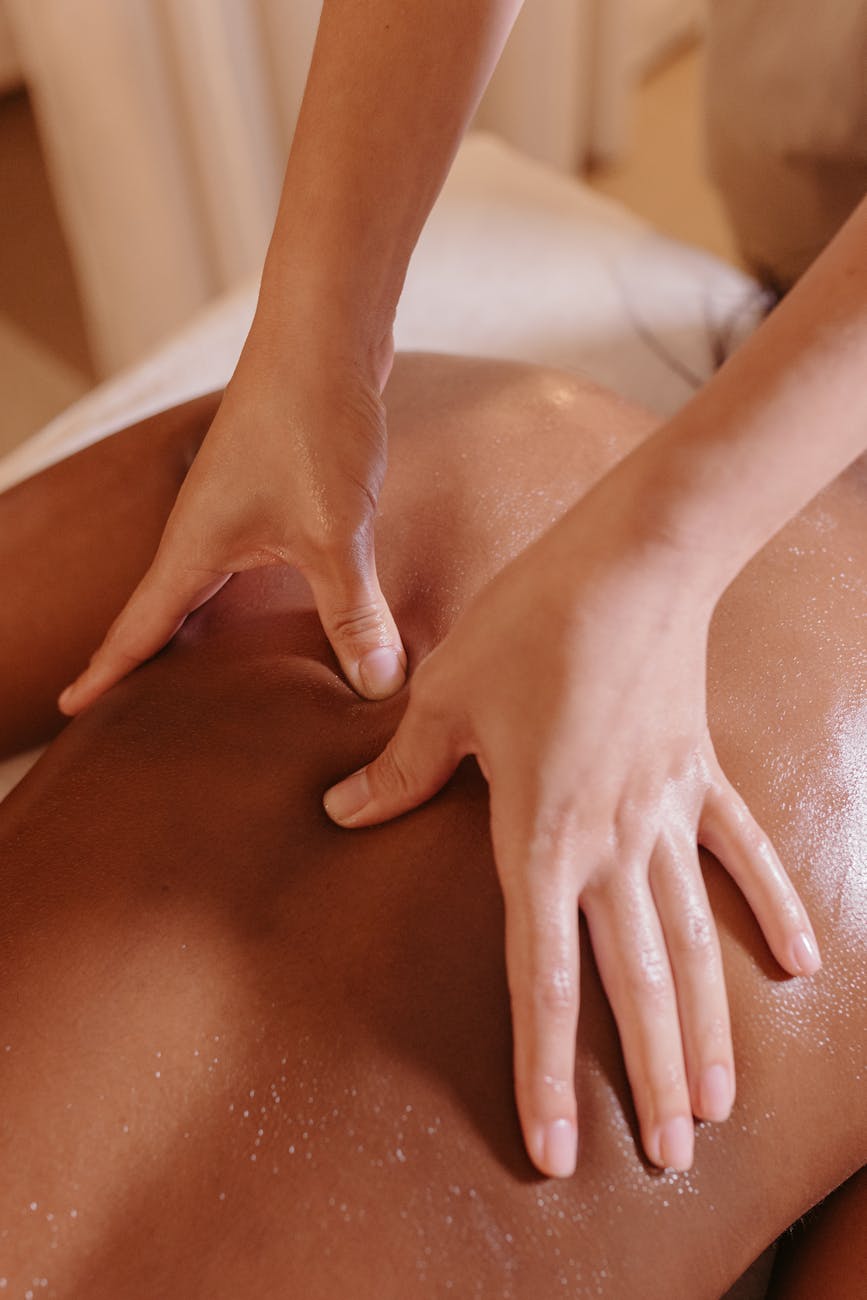
Countries such as Thailand, India, China, and Japan have become major destinations for students seeking training in traditional massage, acupuncture, herbal medicine, and energy‑based therapies. These learners are not only looking for technical skills; they want to understand the philosophy, cultural background, and worldview that shape these practices. For many, studying in the birthplace of a technique offers a deeper, more meaningful perspective than what they might find in Western programs.
This trend aligns with a broader global shift that has also appeared in international media. Recently, The Guardian published a feature titled “Wellness Tourism Surges as Travelers Seek Authentic Healing Experiences”, highlighting how thousands of people are choosing immersive programs abroad to learn traditional therapies. The article noted that:
“Students are increasingly choosing immersive programs abroad, believing that learning at the source offers cultural depth and a more genuine understanding of natural healing practices.”
This reflects a worldwide desire for authenticity, cultural connection, and hands‑on learning that goes beyond conventional classroom settings.
Local schools and traditional practitioners benefit from this international interest as well. The arrival of foreign students boosts local economies, encourages cultural exchange, and helps preserve traditional practices that, in some regions, were losing visibility. The interaction between learners from different countries creates a multicultural environment that enriches both teaching and practice.
Globalization has also helped integrate natural therapies into complementary health systems, wellness centers, and educational programs. This has created a growing demand for qualified professionals, motivating students to seek more comprehensive and specialized training. Learning directly from traditional practitioners is often seen as a valuable credential that enhances employability and professional credibility.
At the same time, the rise of educational tourism has led to the creation of intensive programs, learning retreats, and internationally recognized certifications. Students combine travel with training, creating experiences that blend technical learning, cultural immersion, and personal development. This combination is especially appealing to those seeking a holistic approach to wellbeing.
Ultimately, the global expansion of natural therapies reflects a deeper shift in how people understand health. It is no longer just about techniques; it is about experiences, culture, and human connection. That is why more students are choosing to travel to the places where these practices originated, searching for authenticity, depth, and a more complete vision of integrative care.