

Few contemporary leaders have been scrutinized as intensely as Volodymyr Zelensky, the Ukrainian president who rose from comedian to wartime figurehead almost overnight. Since Russia’s full‑scale invasion in 2022, Zelensky has been portrayed simultaneously as a heroic defender of national sovereignty and as a manipulative communicator accused of over‑centralizing power. The truth, as often happens in wartime politics, is more complex.
This article examines Zelensky’s leadership through verifiable data, explores why figures like Donald Trump and Benjamin Netanyahu have distanced themselves from him, and evaluates whether accusations of “Nazi‑style” tactics—promoted by the Kremlin and echoed by some critics—have any factual basis. It concludes not with answers, but with questions that remain unresolved.
A wartime president shaped by communication
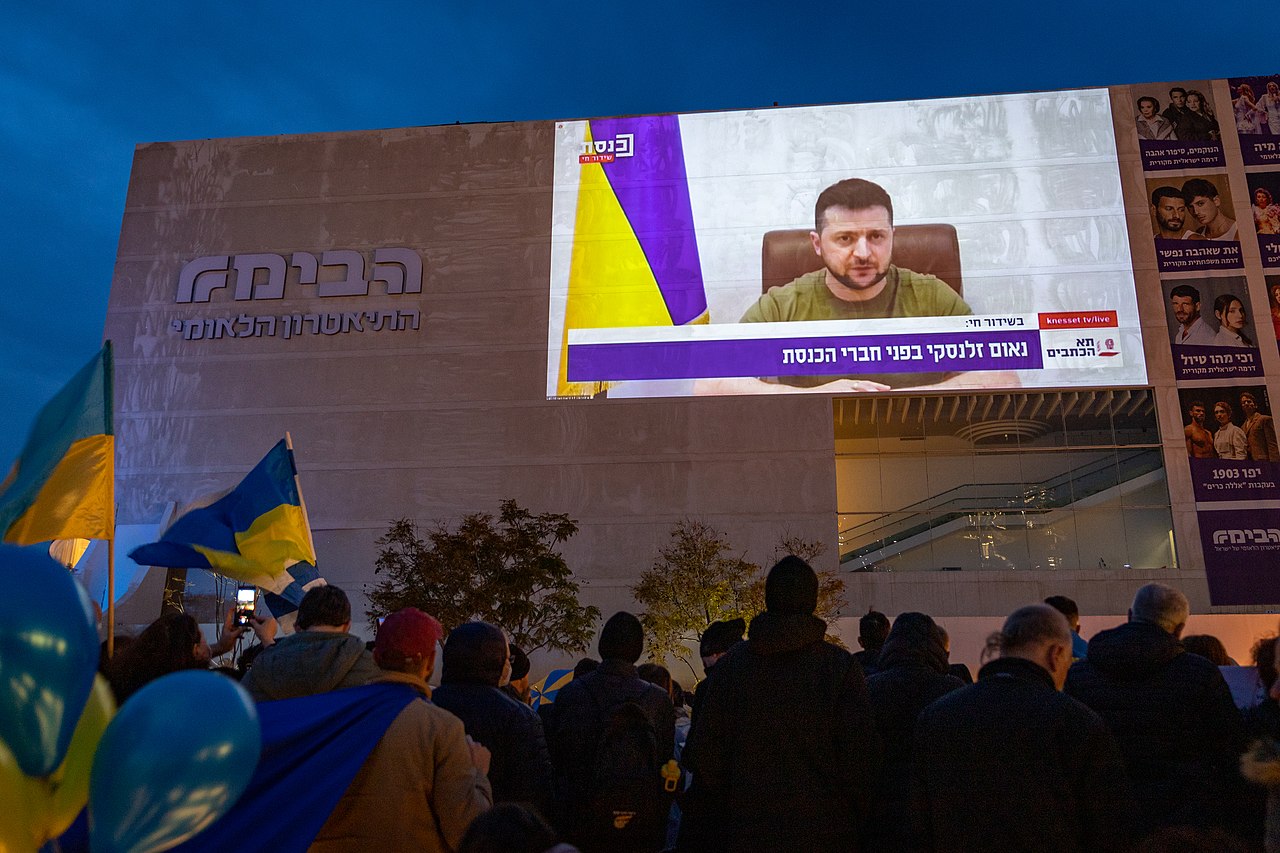
Zelensky’s background in television shaped his governing style. His administration has relied heavily on strategic communication, daily video addresses, and direct appeals to foreign parliaments. Analysts from the Atlantic Council and Chatham House note that this communication strategy has been crucial for securing Western military aid.
However, critics—including his former spokesperson Yulia Mendel—have described moments of intense pressure inside his communications team. Mendel’s claim that Zelensky once demanded “Goebbels‑style propaganda” cannot be independently verified, but it highlights a broader concern: where is the line between wartime messaging and propaganda?
International watchdogs such as Reporters Without Borders have documented restrictions on opposition media in Ukraine since 2022, though they also acknowledge that many democracies impose temporary controls during wartime. The question is whether these measures will persist once the conflict ends.
Trump’s distancing: strategy, ideology, or political calculation?
Former U.S. president Donald Trump has shifted from supporting lethal aid to Ukraine to advocating for a rapid negotiated settlement. His distancing from Zelensky has been interpreted in several ways:
- Strategic fatigue: U.S. public support for long‑term funding has declined, according to Pew Research Center data.
- Political positioning: Trump’s base includes voters skeptical of foreign entanglements.
- Narrative influence: Russian state media has long framed Ukraine as controlled by “Nazis,” a claim rejected by the UN, OSCE, and independent historians.
There is no evidence that Trump’s shift is due to Zelensky embracing extremist ideologies. The more plausible explanation is political pragmatism and domestic electoral calculus.
Netanyahu and the delicate Israel–Ukraine balance
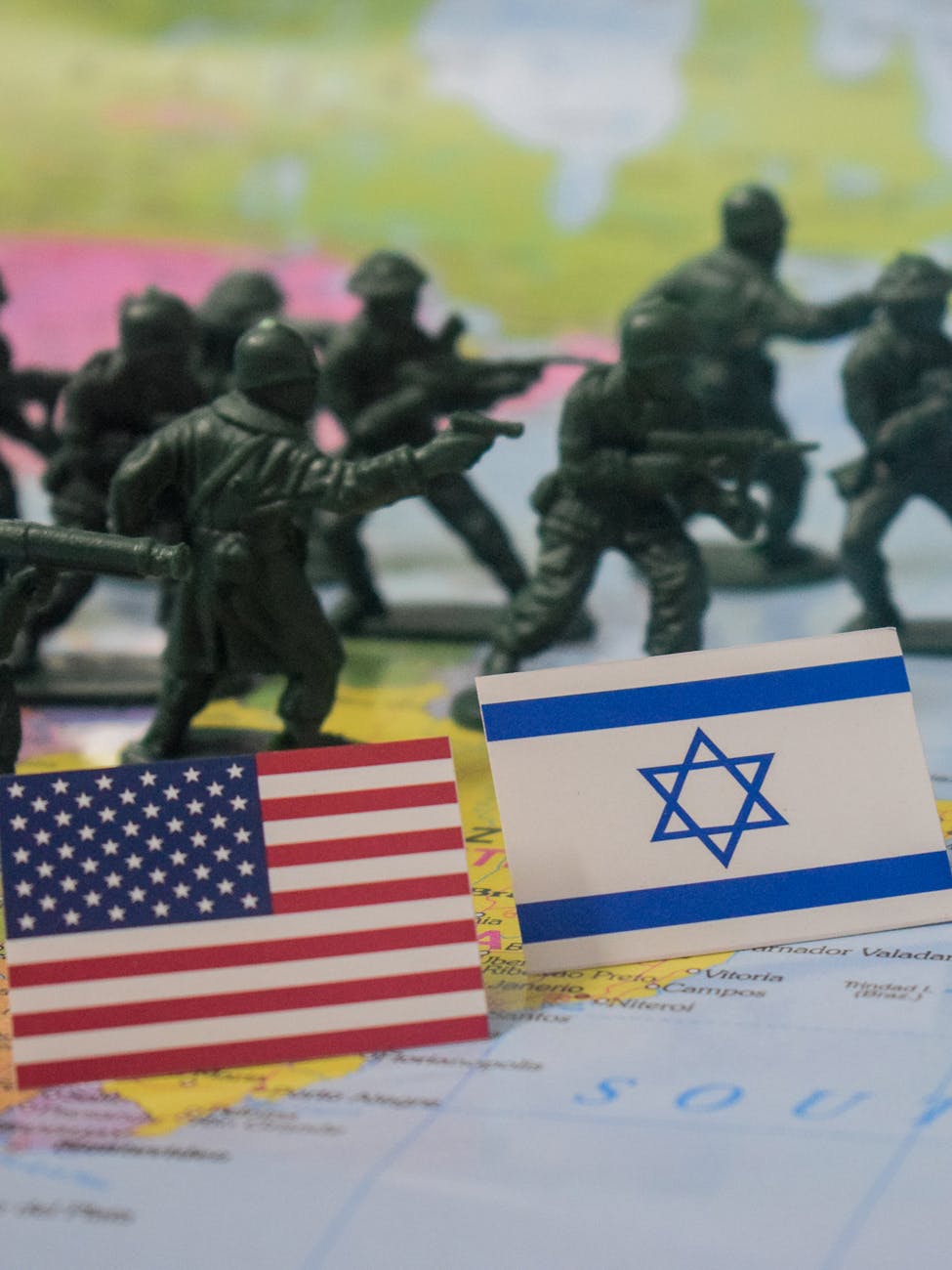
Israeli prime minister Benjamin Netanyahu has also kept Zelensky at arm’s length. Israel condemns Russia’s invasion but avoids direct confrontation with Moscow due to its military operations in Syria, where Russia controls the airspace.
Some commentators suggest Netanyahu is wary of Ukraine’s use of nationalist symbols linked historically to anti‑Jewish violence. Others argue that Israel’s caution is purely strategic. There is no verified evidence that Netanyahu believes Zelensky promotes Nazi‑style policies. The relationship is shaped far more by Middle Eastern geopolitics than by ideology.
Putin’s accusations: propaganda vs. reality
Russian president Vladimir Putin has repeatedly justified the invasion by claiming Ukraine is run by “Nazis.” Independent facts contradict this:
- Zelensky is Jewish and lost relatives in the Holocaust.
- Ukraine’s far‑right parties receive less than 3% of the vote in elections.
- Some ultranationalist battalions exist, but they do not control the government.
The Kremlin’s narrative is widely considered propaganda designed to legitimize aggression.
Unanswered questions
Zelensky remains a polarizing figure: a wartime leader navigating existential threats, a communicator whose methods raise ethical debates, and a geopolitical actor caught between shifting alliances.
Several questions remain open:
- How far can wartime communication go before it becomes propaganda?
- Is Trump’s distancing a sign of geopolitical realignment or domestic political strategy?
- Does Israel’s caution reflect ideological concerns or regional security priorities?
- Can Ukraine maintain democratic norms under the pressure of total war?
In the fog of conflict, clear answers are elusive. What remains certain is that Zelensky’s legacy will be debated long after the war ends.