

By Mary Coleman
Senior Political Correspondent, Wide World News
February 27, 2026
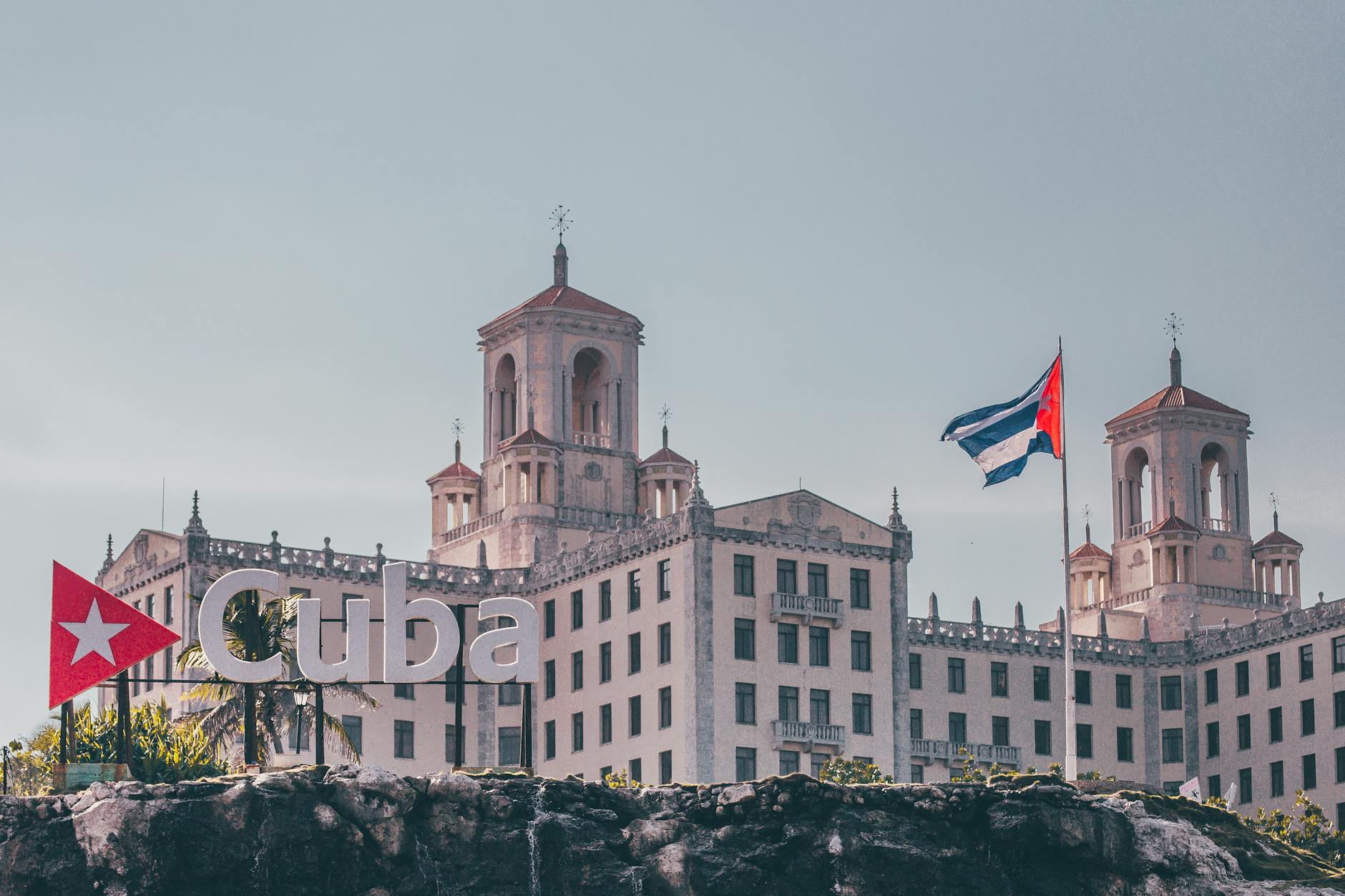
Cuba is facing one of its deepest crises in decades, combining economic collapse, energy shortages and growing social discontent, while the European Union oscillates between critical dialogue and calls for tougher measures against Havana. Against this backdrop, Europe could play a role as a mediator, but internal EU divisions and Cuba’s own political rigidity make that prospect uncertain.
Cuba’s current situation
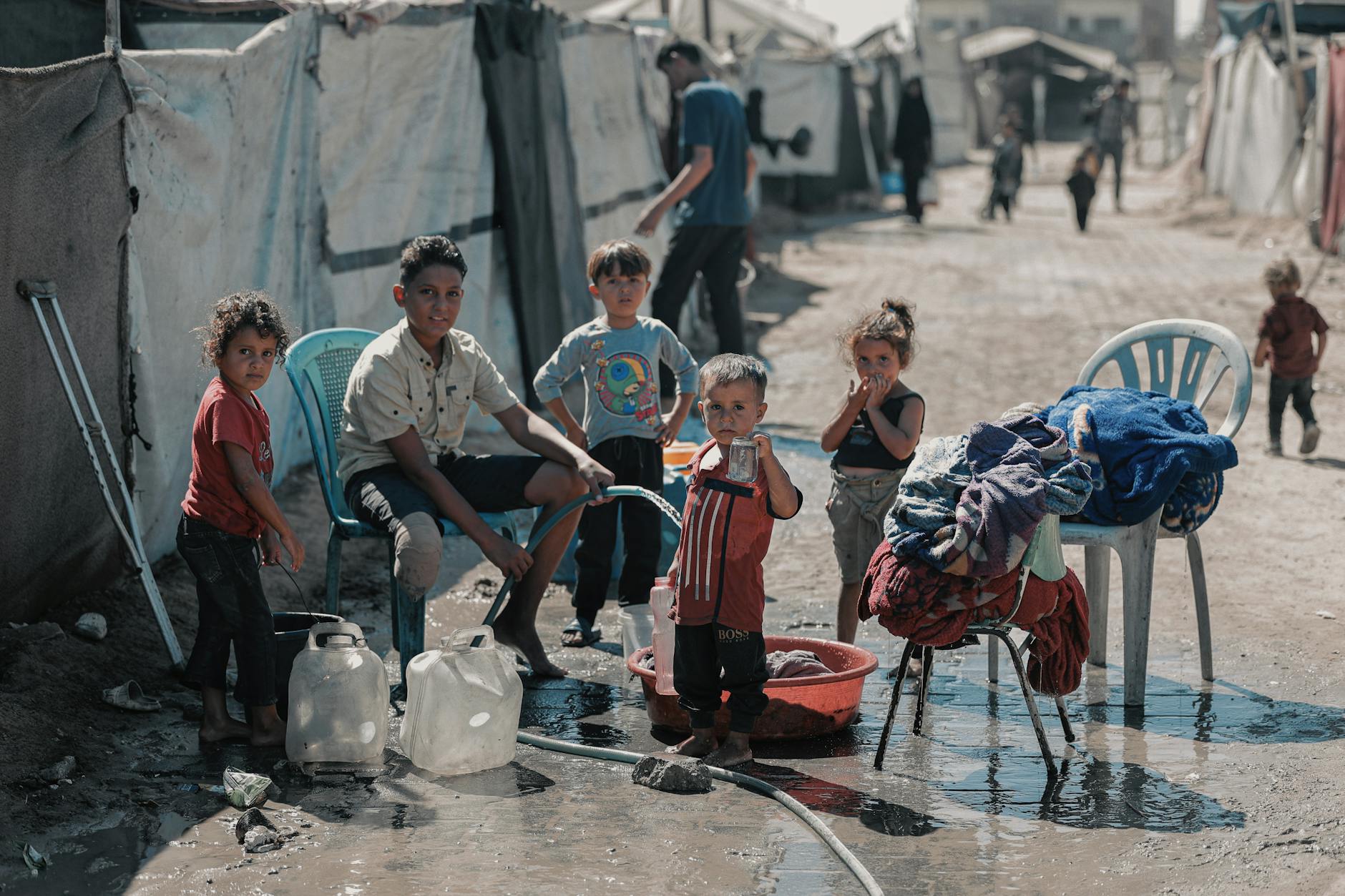
Cuba’s economy has shrunk sharply in recent years, with an accumulated loss of around 15% of GDP over the last five years according to independent experts. Official inflation for 2025 was reported at about 14%, but private estimates suggest it may have reached as high as 70%, eroding wages and pensions and deepening poverty. The country suffers chronic shortages of fuel, food and basic goods, and repeated blackouts have disrupted daily life and production.
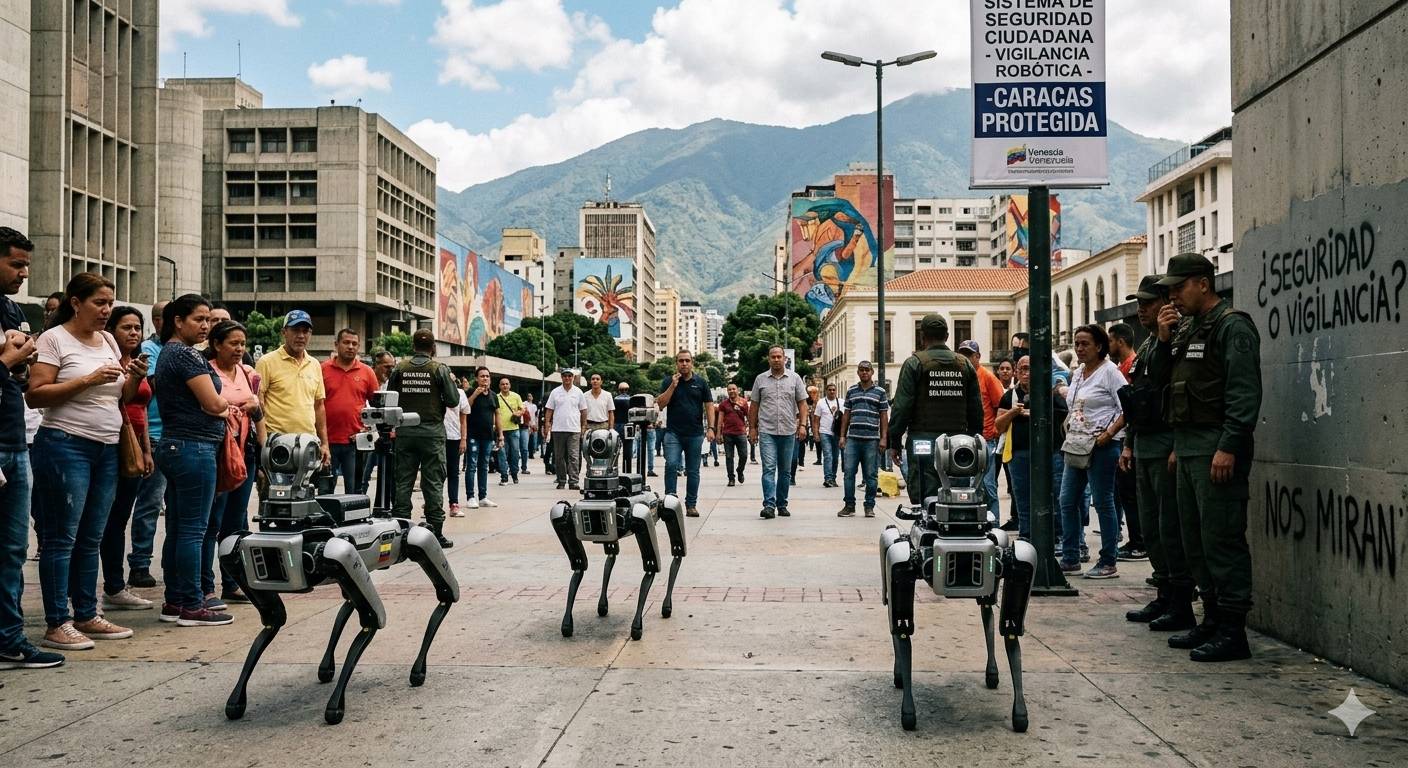
Energy vulnerability is at the heart of the crisis, as Cuba depends heavily on imported oil, particularly from Venezuela and Mexico. The deterioration of Venezuela’s economy and political turmoil have sharply reduced trade with Havana, while infrastructure problems and lack of investment have caused recurrent power cuts. Tourism, traditionally a key source of revenue, has also been hit by power outages, service disruptions and the broader economic instability, forcing airlines to adjust routes and hotels to close or relocate guests.
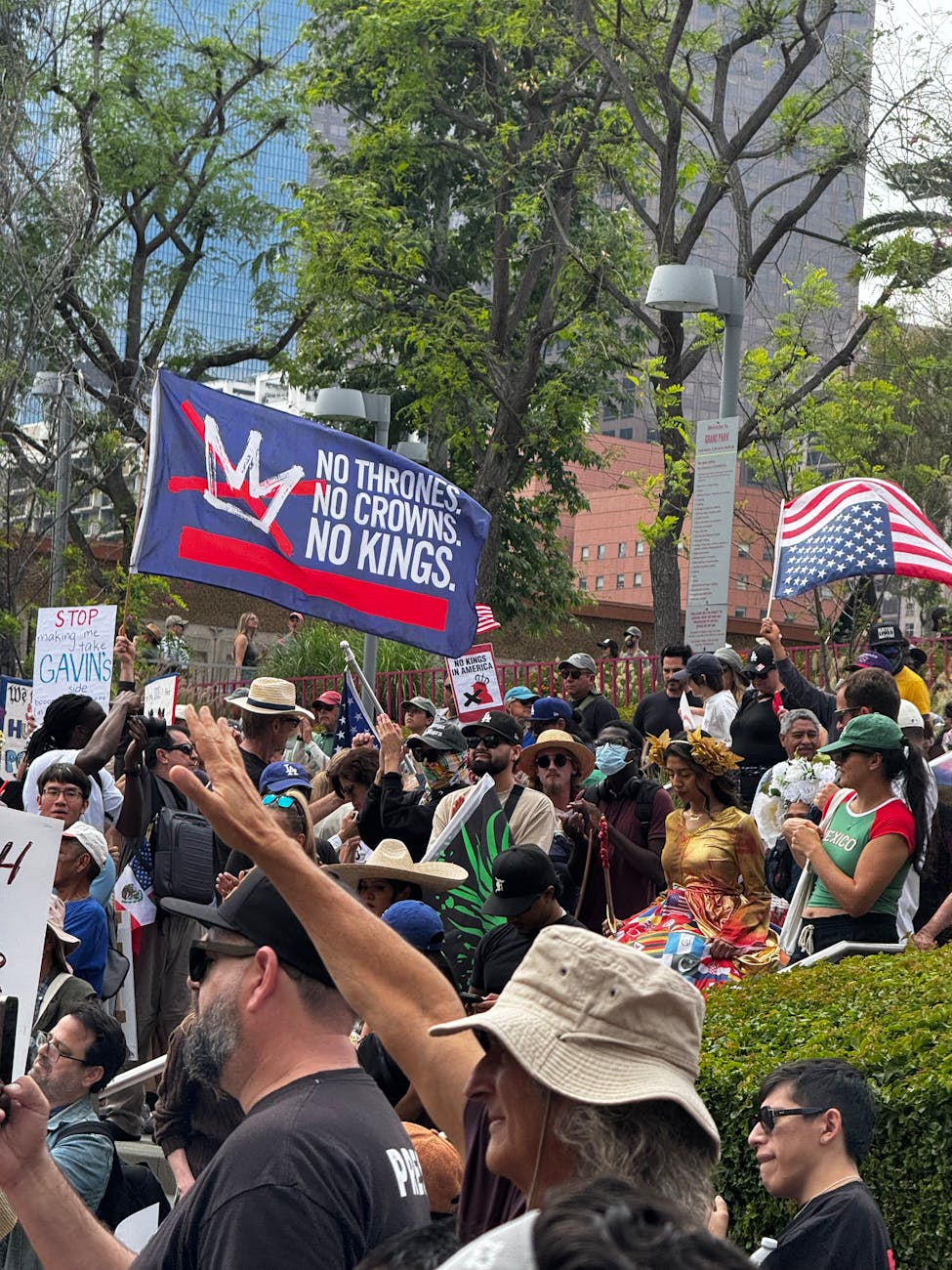
Socially, the crisis has translated into growing frustration and sporadic protests, adding to the legacy of the large demonstrations of July 11–12, 2021, which led to heavy sentences against many participants. At the same time, a powerful military‑linked conglomerate, GAESA, controls much of the tourism sector, fuel stations, supermarkets and key logistics, concentrating economic power in a small circle close to the regime. This combination of state control, lack of transparency and worsening living conditions fuels resentment and undermines trust in the government.
The EU’s current stance on Cuba
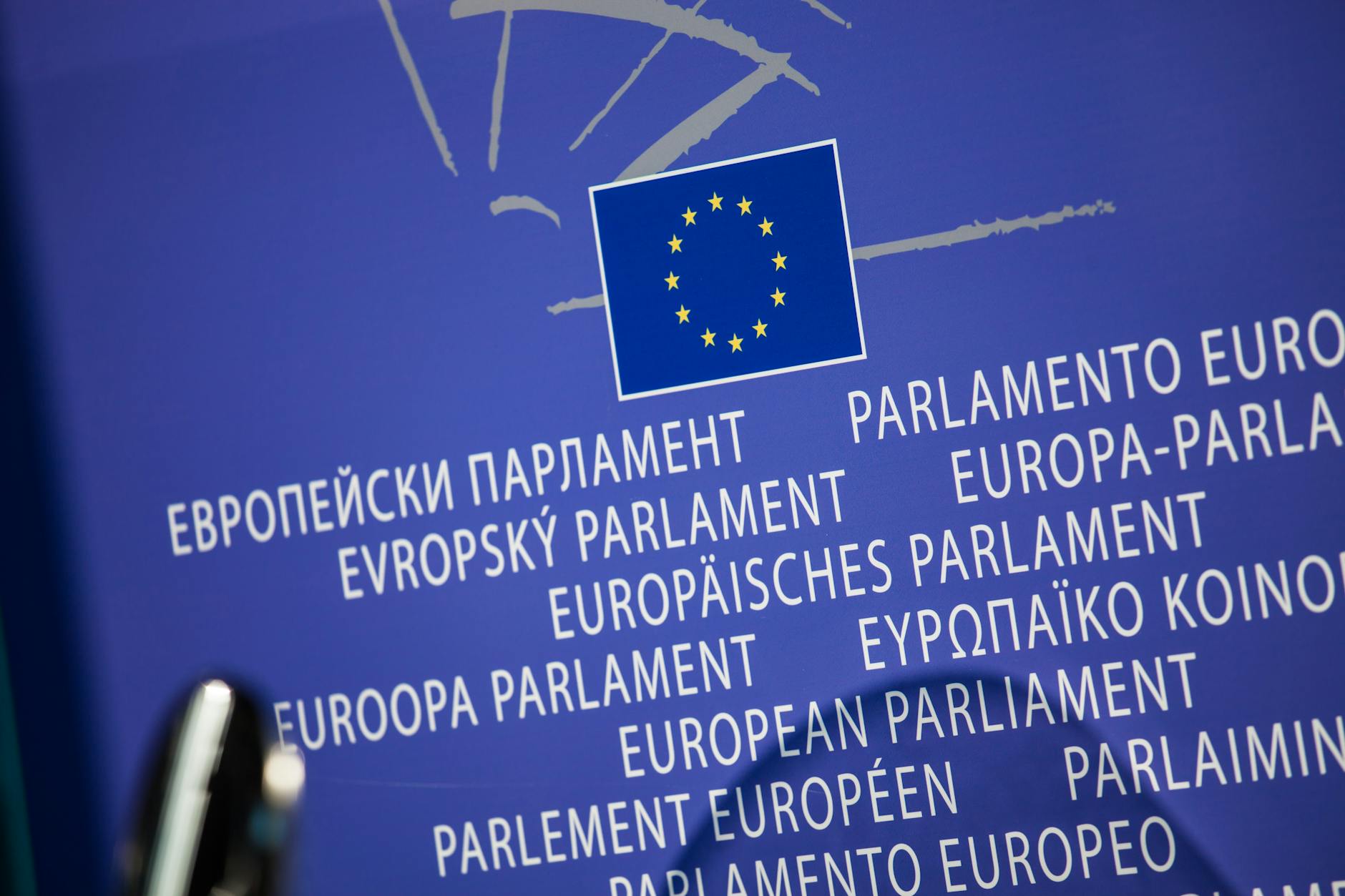
The framework for relations between the EU and Cuba is the Political Dialogue and Cooperation Agreement (PDCA), provisionally applied since 2017. Under this agreement, the EU and Cuba hold regular human rights dialogues, where the EU raises concerns about civil and political rights, including freedom of expression, association and assembly. During these dialogues, EU representatives have repeatedly called on Havana to respect constitutional rights, improve due process and release those detained for expressing their opinions, especially after the 2021 protests.
At the same time, the EU maintains a longstanding position against the United States embargo and other extraterritorial measures, voting annually at the UN General Assembly in favour of resolutions calling for an end to those sanctions. The EU presents the PDCA as a tool to support gradual economic and political reform in Cuba, emphasising “constructive but critical” engagement, cooperation projects and technical exchanges in fields such as gender equality, children’s rights and social inclusion. However, this engagement is increasingly contested within Europe.
In recent years, some political groups in the European Parliament have pushed for a much harsher line, arguing that the Cuban regime has become more repressive and more destabilising for the region. Resolutions and political initiatives have called for suspending the PDCA, cutting EU financial aid and demanding that Cuba be removed from the UN Human Rights Council. This internal debate shows how divided the EU is: while the official policy still favours dialogue, a significant segment of EU politics wants to move towards isolation and pressure.
Could Europe mediate in Cuba’s crisis?
In theory, the EU is well positioned to act as a mediator, because it maintains diplomatic relations with Cuba, rejects the US embargo, and at the same time defends human rights and democratic norms. Its network of cooperation programmes and structured dialogues gives Brussels channels of communication with both the Cuban authorities and sectors of Cuban civil society. This could allow Europe to promote confidence‑building measures, such as gradual releases of political prisoners, more transparency in judicial processes, or inclusive consultations on economic reforms.
However, several obstacles reduce the likelihood of a formal European mediation in the short term. First, the EU itself is not united: calls to suspend the PDCA and cut aid run directly against the idea of playing a constructive mediating role. Without a clear internal consensus, the Union struggles to speak with one voice, which is essential for any credible mediation effort. Second, the Cuban government has historically resisted external initiatives that it perceives as interference in its internal affairs, especially when linked to human rights conditionality or political liberalisation.
Third, the regional and global context is complex. The crisis in Venezuela, shifts in Latin American politics and renewed geopolitical tensions create incentives for Havana to lean more on partners like Russia, China or Mexico rather than open itself to Western‑backed political dialogue. If the United States maintains or intensifies sanctions, Cuban leaders may see the EU less as a neutral mediator and more as part of a broader Western pressure front, even if Brussels publicly rejects the embargo.
Realistic scenarios for EU involvement
In the near term, the most realistic scenario is not a grand European mediation, but a continuation—and possible adjustment—of the existing “critical engagement” policy. This could include:
- Strengthening the human rights dialogue and pushing for concrete, verifiable steps by Havana, such as releases of specific detainees or improved access for diplomats and international organisations.
- Focusing development cooperation on areas that directly benefit the Cuban population, like food security, renewable energy, health and support for vulnerable groups, while trying to avoid reinforcing the most opaque parts of the state‑military economic apparatus.
- Facilitating contacts between Cuban authorities, EU institutions and segments of civil society, including independent voices where possible, to keep channels open for a more genuine political dialogue in the future.
Whether Europe can evolve from this limited role to genuine mediation will depend on three main factors: a more unified EU position, a minimum willingness from the Cuban leadership to accept external facilitation, and a regional environment that favours negotiated solutions rather than pure confrontation. For now, the EU’s influence is real but constrained, and its most likely contribution will be incremental—supporting gradual reforms, alleviating some social pressure and keeping the door open for a broader political dialogue if and when Cuba’s own internal dynamics make that possible.