

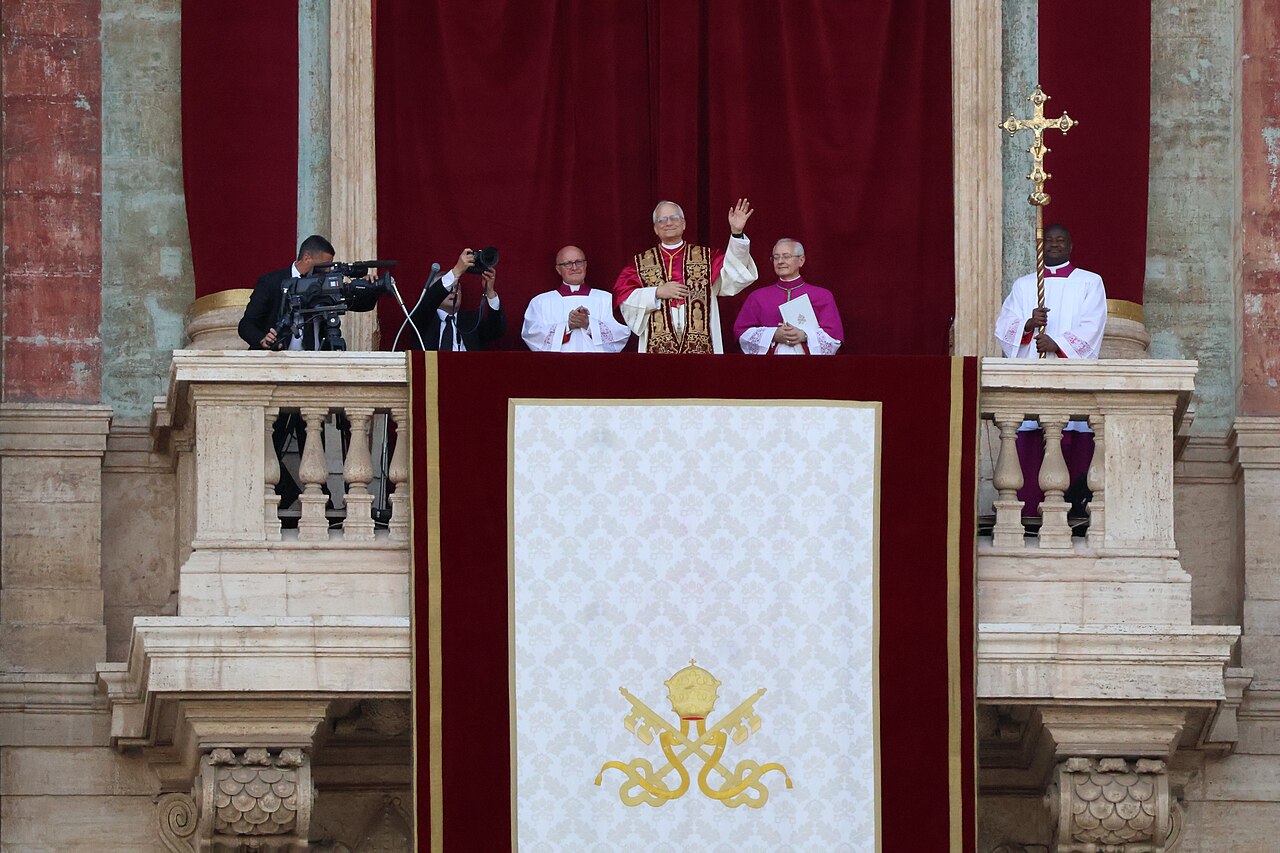
Pope Leo XIV concluded an intense and symbolically charged tour of Africa with a forceful appeal for justice, human dignity, and political accountability—messages he repeated consistently throughout his visits to Algeria, Cameroon, Angola, and finally Equatorial Guinea. Over the course of eleven days, the pontiff addressed some of the continent’s most persistent challenges, including inequality, corruption, conflict, and the treatment of vulnerable populations.
A Journey Marked by Social and Moral Appeals
From the outset, the Vatican framed the trip as an opportunity to strengthen ties with African Catholic communities while also drawing international attention to issues that disproportionately affect the region. Pope Leo XIV, known for his outspoken stance on social justice, used each stop to highlight a different dimension of the continent’s struggles.
In Algeria, he emphasized the importance of interreligious dialogue in a country where political tensions and historical wounds still shape public life. He urged leaders to protect spaces for peaceful coexistence and mutual respect, noting that societies fractured by mistrust cannot build lasting stability.
During his visit to Cameroon, the pontiff addressed the ongoing humanitarian crisis linked to separatist violence in the Anglophone regions. Without naming political actors, he called for renewed efforts toward reconciliation and the protection of civilians caught in the conflict. His homilies repeatedly stressed that peace requires more than ceasefires—it demands institutions capable of defending rights and ensuring justice.
In Angola, a nation rich in natural resources yet marked by deep socioeconomic disparities, Pope Leo XIV focused on economic ethics. He encouraged authorities to ensure that the country’s wealth benefits the broader population rather than a narrow elite. His speeches resonated strongly with young Angolans, many of whom face unemployment and limited opportunities despite the country’s oil-driven economy.
A Strong Message in Equatorial Guinea
The final stop of the tour—Equatorial Guinea—produced the most forceful statements of the entire journey. Speaking before an estimated 100,000 people in Mongomo, and in the presence of President Teodoro Obiang Nguema Mbasogo, the pope condemned the conditions faced by prisoners in the country’s detention centers. He warned that many detainees “are forced to live in deeply troubling sanitary and hygienic conditions,” and insisted that no society can claim moral legitimacy while neglecting the dignity of those behind bars.
His remarks came just hours before a scheduled visit to the notorious prison in Bata, a facility long criticized by human rights organizations. Reports from groups such as Amnesty International describe routine beatings, enforced disappearances, and severe overcrowding. By addressing these issues publicly, Pope Leo XIV placed international scrutiny on a system that has operated with limited transparency for decades.
Inequality, Corruption, and the Responsibility of Leadership
Throughout his African tour, the pontiff returned repeatedly to the theme of inequality. Equatorial Guinea, despite its vast oil reserves, remains one of the most unequal countries in the world. International institutions such as Transparency International and the World Bank consistently rank it among the most corrupt nations, with more than half of its population living in poverty.
Pope Leo XIV urged leaders to govern for the common good rather than private interests. He highlighted the moral obligation of governments to ensure fair distribution of resources, access to education, and protection of fundamental freedoms. His speeches also underscored the importance of independent media and political pluralism—issues particularly sensitive in countries where opposition voices face significant restrictions.
A Tour That Resonated Beyond the Continent
The pope’s African journey was not merely pastoral; it was a diplomatic and moral intervention aimed at drawing global attention to systemic injustices. His consistent emphasis on dignity, accountability, and social transformation positioned the tour as one of the most politically charged of his papacy.
Observers note that his messages were carefully crafted to avoid direct political confrontation while still addressing the realities faced by millions across the continent. By focusing on universal principles—justice, compassion, and human rights—Pope Leo XIV sought to inspire both leaders and citizens to envision a more equitable future.
A Closing Appeal for Hope and Renewal
As he departed Equatorial Guinea, the pontiff reiterated that Africa’s challenges are not insurmountable. He praised the resilience of its people, the vitality of its youth, and the cultural richness that defines the continent. His final homily called for “structures that heal rather than oppress, that uplift rather than exclude,” encapsulating the spirit of a tour dedicated to confronting uncomfortable truths with moral clarity.
Pope Leo XIV’s visit will likely be remembered as a defining moment in his papacy—one in which he used his global platform to amplify the voices of those too often ignored, and to remind the world that justice and dignity must remain at the center of any vision for Africa’s future.